2026 Best Customize Shoe Options for Global Buyers?
The world of customized shoes has evolved significantly, driven by advances in technology and design. According to footwear expert Dr. Melissa Chen, "The future of the Customize Shoe industry lies in individual expression and comfort." This statement encapsulates the essence of why global buyers are increasingly turning to customizable options. As the demand for unique footwear grows, brands are racing to innovate and meet customer preferences.
In 2026, consumers can expect an array of exciting choices. From choosing the type of material to selecting colors and patterns, every detail can reflect personal style. However, not all Customize Shoes are created equal. Buyers should ensure that they are choosing reputable brands that guarantee quality and craftsmanship.
Despite the impressive variety, challenges remain. Many buyers might struggle to find the right fit or express their style accurately. It's essential to reflect on the options available and communicate preferences clearly. Customizing shoes is not merely about trends; it's about finding a pair that genuinely resonates with the individual. However, balancing style and comfort will always be a complex task.
Overview of Customizable Shoe Trends for 2026
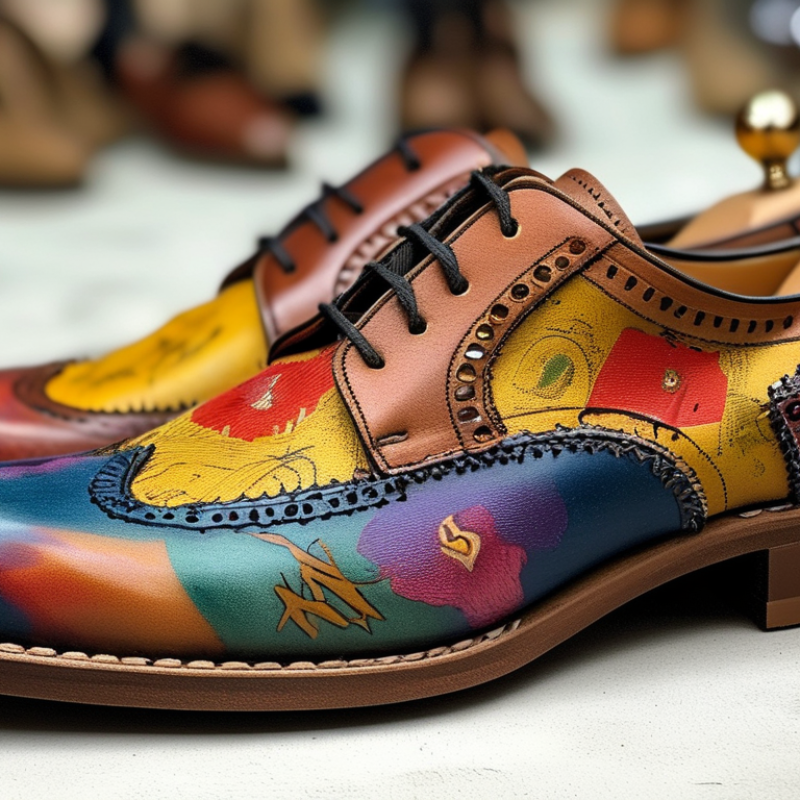
As we approach 2026, customizable shoe options are evolving rapidly. The latest trends reflect a growing emphasis on personalization. Consumers want shoes that not only fit well but also express their individual style. This year, color selection and material quality take center stage. More buyers prioritize sustainability, looking for eco-friendly materials in their choices.
Alongside aesthetics, comfort remains paramount. Adaptive designs ensure better fitting for various foot shapes. Innovative technologies allow for custom cushioning. This movement toward user-oriented designs reflects a shift towards inclusivity in footwear. However, some challenges persist. The balance between customization and affordability is crucial. High personalization often comes with a steep price tag, limiting options for budget-conscious buyers.
Feedback loops are essential in this dynamic market. Many brands rely on customer insights to refine their offerings. Still, there is room for improvement in understanding and meeting diverse consumer needs. As trends evolve, staying attuned to buyer preferences will be vital. The journey of creating the perfect customizable shoe continues, marking a significant shift in how we perceive footwear.
Key Factors Driving Global Demand for Custom Shoes
The rising global demand for custom shoes is fueled by several key factors. Firstly, personalization plays a vital role. According to a report by McKinsey, 67% of consumers expressed a desire for personalized products. This trend highlights a shift in consumer behavior toward unique and tailored footwear. Customers are no longer satisfied with off-the-shelf options; they seek shoes that reflect their personal styles and preferences.
Another significant factor is the emphasis on comfort and fit. A study from Research and Markets indicates that the global custom footwear market is projected to reach $10 billion by 2026. Factors such as increased awareness of foot health and the desire for functional yet stylish shoes contribute to this growth. More buyers recognize that standard sizes often lead to discomfort, prompting them to invest in custom options that ensure better fit and enhanced comfort.
Environmental concerns are also shaping demand. Many consumers are now prioritizing sustainable practices in footwear production. Reports indicate that 45% of buyers are willing to pay a premium for eco-friendly products. This trend challenges the industry to innovate, making durability and sustainability integral to the custom shoe manufacturing process. Brands must navigate this complex landscape, reflecting on how they can meet consumer expectations while being environmentally responsible.
2026 Best Customize Shoe Options for Global Buyers
| Customization Type | Material Options | Regions with Highest Demand | Price Range (USD) | Delivery Time (Weeks) |
| Design Customization | Leather, Synthetic, Mesh | North America, Europe | 150 - 300 | 4 - 6 |
| Fit Customization | EVA, Rubber, Foam | Asia Pacific, North America | 100 - 250 | 3 - 5 |
| Color Customization | Canvas, Textile, Suede | Europe, Middle East | 80 - 200 | 2 - 4 |
| Personalized Elements | Bamboo, Cotton, Recycled materials | Global | 120 - 220 | 5 - 8 |
| Performance Features | High Performance Mesh, Waterproof | North America, Asia | 150 - 350 | 4 - 7 |
Top Custom Shoe Brands and Their Unique Offerings
The custom shoe industry has seen remarkable growth. According to a recent market report, the global custom footwear market is projected to reach $10 billion by 2026. This growth indicates a rising demand for personalized shopping experiences. Buyers are looking for uniqueness in their footwear choices.
Various brands offer unique customization options. Some allow customers to choose materials, colors, and designs. This level of personalization appeals to consumers seeking individuality. However, many brands struggle with production speed and quality control. Inadequate systems often lead to delays, frustrating the customers.
Sustainable practices are increasingly important. Some custom shoe companies are sourcing eco-friendly materials. This move reflects a broader industry trend toward sustainability. Yet, not all brands have fully embraced this change. Awareness among consumers about environmental impact is growing. It creates pressure on brands to adapt. Customization and sustainability might clash if brands don't find a balance.
2026 Best Customize Shoe Options for Global Buyers
This chart illustrates the top five categories of customized shoe options based on consumer preferences for 2026. As indicated, the most popular preferences are in color variety, material choice, fit customization, design personalization, and price range.
Materials and Technology Innovations in Custom Shoe Production
The custom shoe market is evolving rapidly, driven by materials and technology innovations. Recent industry reports indicate that the global market for custom footwear is anticipated to grow at a CAGR of 11.5%, reaching $9.1 billion by 2026. This growth reflects rising consumer demand for personalized products. Advancements in materials such as bio-based and eco-friendly composites have become crucial in custom shoe production.
3D printing technology has transformed the way shoes are crafted. This innovative method allows for precise customization and minimizes waste. According to a study published by the American Institute of Chemical Engineers, 3D-printed shoes reduce material usage by up to 70%. These shoes not only fit better but also significantly lower the ecological footprint. Yet, the challenge remains in balancing cost and sustainability.
Despite these advancements, some issues persist. Quality control remains critical. Variations in texture and feel can occur, affecting customer satisfaction. Furthermore, as companies invest in new technologies, the risk of over-commercialization looms. Maintaining a genuine connection with customers is essential. The journey towards the perfect custom shoe is ongoing, marked by both innovation and room for improvement.
Consumer Preferences and Shopping Experiences for Customized Footwear
As consumer preferences shift towards personalized products, customized footwear has gained significant traction. Buyers are increasingly drawn to the idea of unique designs that reflect their personalities. This trend allows consumers to express their individuality through colors, patterns, and materials. Online platforms enable seamless interactions for ordering tailored shoes, providing options that range from sizes to styles.
Shopping experiences for customized footwear can vary widely. Some platforms offer intricate design tools, allowing extensive customization. Yet, others may fall short in providing clear guidance on how best to utilize these tools. Frustration can arise when customers’ expectations clash with the final product. For example, a shoe that appears vibrant on-screen may differ significantly in real life. This disconnect can lead to dissatisfaction despite the promise of personalization.
Moreover, the return policies and delivery timelines for customized shoes are often less favorable. Buyers may face longer waiting periods, and returning custom items can be a hassle. This has led to reflections on whether the excitement of customization outweighs potential drawbacks. As brands continue to evolve, understanding consumer preferences and enhancing the shopping experience becomes crucial in this dynamic market.
 Skip to content