2026 Best Injection Molding Trends at Canton Fair 139?
As the 139th Canton Fair approaches in April 2026, the spotlight will shine on the latest trends in the Injection Molding industry. This cutting-edge event, spanning three phases, offers a wealth of opportunities for manufacturers and suppliers. According to a recent industry report by Plastics News, the global Injection Molding market is projected to reach $400 billion by 2027, driven by innovations in materials and technology.
John Smith, a renowned expert in Injection Molding, states, "The future lies in automation and precision engineering." This sentiment aligns with the fair's introduction of AI-driven features. Attendees can leverage smart navigation and AI search to find suppliers with essential certifications quickly. Such advancements not only enhance efficiency but also raise questions about the balance between technology and traditional craftsmanship.
While the fair promises to showcase impressive innovations, it is vital to reflect on sustainability. Many Injection Molding practices raise environmental concerns. Moving forward, will the industry prioritize eco-friendly materials and processes? The answer may shape the future of Injection Molding as we know it. Engaging in these discussions at the Canton Fair will be crucial for stakeholders.
Emerging Technologies in Injection Molding at Canton Fair 2026
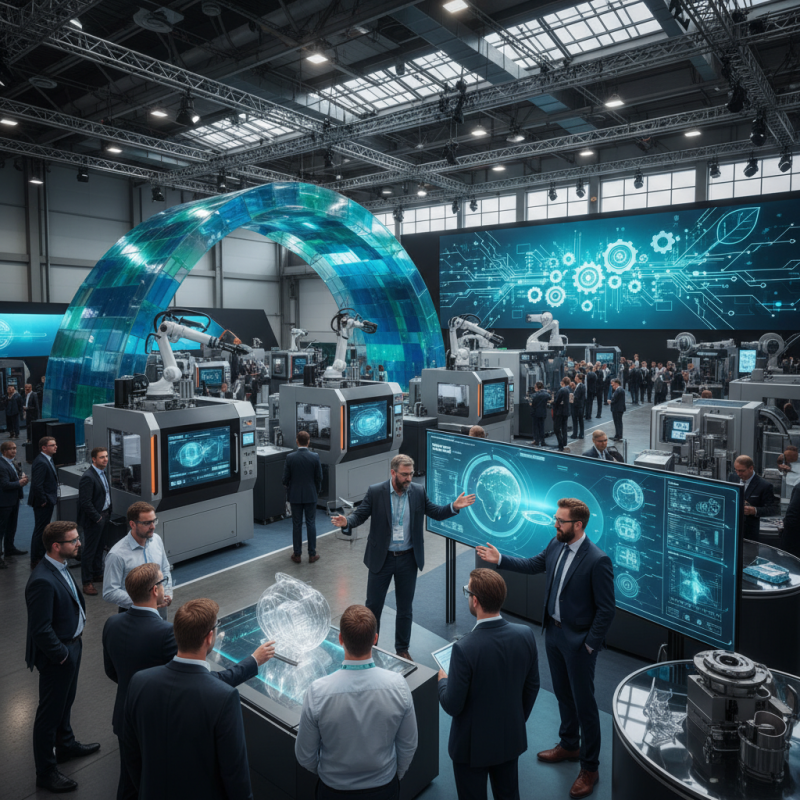
At the 2026 Canton Fair, the spotlight will shine on emerging technologies in injection molding. This industry is rapidly evolving. Companies seek innovative ways to enhance efficiency and sustainability. New automation tools, including robotic arms, aim to reduce production time. These tools can minimize human errors, but they require skilled operators.
Another trend is using biodegradable materials. These alternatives challenge traditional plastics. Manufacturers are testing how these materials perform under different conditions. Some samples may not meet high standards yet. The transition will take time and experimentation. Companies may face setbacks as they explore these options.
3D printing technology is also making waves in injection molding. It allows for complex designs that were once impossible. This capability can lower costs for small batches. However, quality control can be tricky. As industries adjust to these changes, the path forward remains uncertain. Everyone is eager to see where these innovations lead.
Sustainability Trends in Injection Molding: Innovations and Practices
Sustainability is becoming a core focus in the injection molding industry. Recent innovations emphasize eco-friendly materials. Producers are exploring biodegradable plastics. These advancements reduce environmental impact significantly. However, challenges remain in scaling these materials. Some biodegradable options don't perform as well as traditional plastics. This creates hesitation within the industry.
Recycling processes are evolving too. Closed-loop systems are gaining traction. This way, old plastic can be reused in creating new products. Yet, efficiency is often lacking in these systems. Many factories struggle with collection and processing. Improvements are essential to make this sustainable model work optimally.
Moreover, energy consumption in production is being scrutinized. Equipment with lower energy footprints is in demand. Many companies are setting ambitious targets for energy reduction. Still, some are slow to adapt. Transitioning to green technologies can require significant investment. It’s a balancing act between costs and responsibility. The road to a sustainable future in injection molding isn’t straightforward. Inconsistencies in practices reveal that there is still work to do.
2026 Best Injection Molding Trends at Canton Fair 139: Sustainability Trends in Injection Molding
| Trend | Description | Innovation Type | Environmental Impact |
| Biodegradable Materials | Use of materials that decompose naturally, reducing landfill waste. | Material Innovation | Positive |
| Energy-Efficient Machinery | Advanced technologies that reduce energy consumption during production. | Equipment Innovation | Positive |
| Recycled Materials | Integrating recycled plastics into the injection molding process. | Material Innovation | Positive |
| Smart Manufacturing | Incorporating IoT and AI to enhance efficiency and monitor environmental impact. | Technology Innovation | Neutral |
| Closed-loop Systems | Systems designed to reuse materials and minimize waste throughout the process. | Process Innovation | Positive |
Market Insights: Demand and Supply for Injection Molded Products in 2026
The demand for injection molded products is set to surge in 2026, driven by various market factors. A recent report from Market Research Future indicates that the global injection molding market will grow at a CAGR of over 5% by 2026. Key sectors such as automotive and consumer goods lead this growth, showing a robust demand for lightweight and durable materials.
Supply chain dynamics will also play a crucial role. With rising raw material costs, manufacturers are facing challenges in keeping prices competitive. The growing emphasis on sustainable practices pushes companies to explore eco-friendly alternatives. Yet, the transition often leaves gaps in availability, impacting production timelines. It raises questions about the balance between sustainability and cost-effectiveness in sourcing quality materials.
Despite advancements, issues persist. The technology behind injection molding is evolving, but not all manufacturers adapt quickly enough. There are instances where outdated machinery leads to production inefficiencies. This misalignment can hinder growth in a rapidly changing market. As companies prepare for the Canton Fair in 2026, they must reflect on these challenges while strategizing for future demands.
Impact of Automation on Injection Molding Processes and Efficiency
Automation is revolutionizing injection molding. At the Canton Fair 139, this trend takes center stage. Companies are adopting advanced technologies to improve production efficiency. Robotics and AI play a crucial role in streamlining operations.
By integrating automation, manufacturers can reduce human error. This leads to a higher quality of products. The speed of production also increases significantly. Parts are created with greater precision and consistency.
However, this shift can create challenges. Training workers to operate new systems is essential. Sometimes, resistance to change hinders progress.
Tips: Embrace small automation steps at first. Gradually scale up once comfortable. Monitor the effectiveness of new processes frequently. Feedback is vital for continuous improvement. Constant adaptation is necessary in this evolving landscape.
Future Trends: Customization and Smart Molding Solutions in 2026
As we look forward to the Canton Fair in 2026, the focus is on customization and smart molding solutions. Industry experts predict that smart molding technologies could enhance efficiency by 30%. Manufacturers are adopting advanced automation to streamline processes. Real-time data collection and analysis are becoming essential tools. These technologies contribute to a faster response to market demands.
Customization is a key trend gaining momentum. According to recent reports, 75% of consumers prefer personalized products. This demand forces manufacturers to adapt. They must find innovative ways to offer tailored solutions quickly. However, challenges exist in balance. Too much customization can lead to increased production costs. It’s crucial for businesses to find the right strategy.
The integration of AI in molding processes is one aspect to watch. AI can optimize design and production efficiently. Yet, many manufacturers still hesitate due to high initial costs. Companies face the pressure of making decisions about investing in these technologies. As industries evolve, the journey toward smart molding will require reflection and adaptation. Balancing innovation with cost-effectiveness is the key to success.
2026 Best Injection Molding Trends
 Skip to content