
...

2026 Best Junior Scooter for Kids to Buy

Choosing the 2026 Best Junior Scooter for Kids to Buy is less about flashy colors and more about a child’s size, confidence, and riding environment. A good Junior Scooter should feel steady underfoot, turn predictably, and have a handlebar the child can reach without stretching. Picture a beginner rolling along a smooth park path: the deck should feel secure, and the brake should be easy to find. Small details matter.

Pediatrician Dr. Benjamin Hoffman, known for his work in injury prevention, offers a useful perspective. In paraphrase: “Choose for control, not speed.” This guide applies that principle while comparing age and height fit, wheel size, deck grip, braking, durability, and ease of carrying. A scooter that is too tall or heavy can make ordinary turns feel awkward. That is easy to overlook. We’ll also consider how a child’s experience level changes what “best” means; a confident rider may want features a beginner does not need. No single model suits every child, and product claims deserve a careful look. Check the manufacturer’s sizing guidance, inspect the scooter regularly, and pair riding with a properly fitted helmet. A small hesitation during a test ride is worth noticing. It may signal a poor fit, even when the scooter looks perfect online.
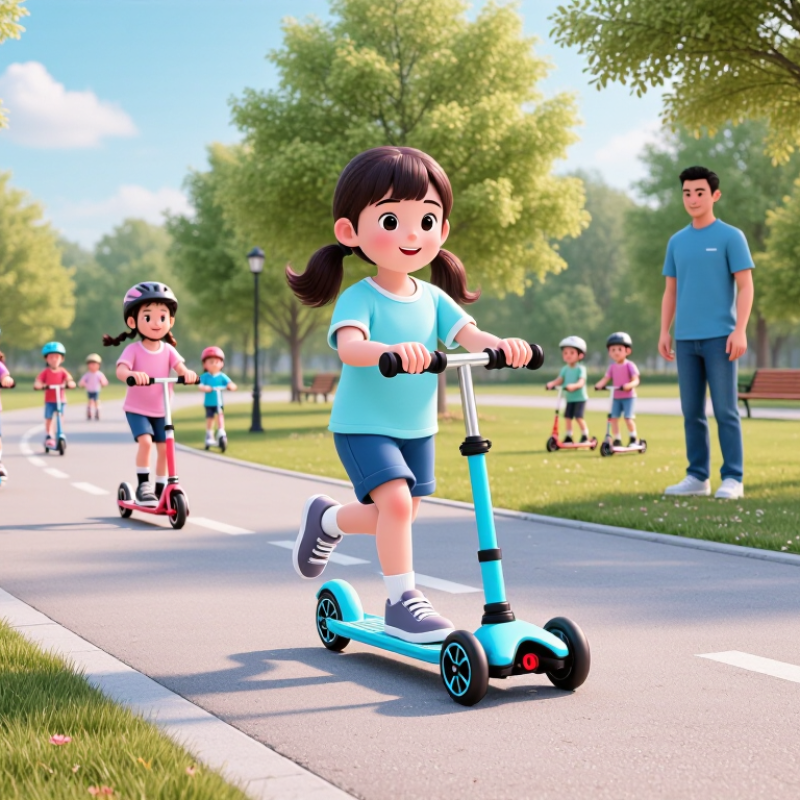
2026 Best Junior Scooter for Kids to Buy

What Defines a Junior Scooter and How It Differs from Other Scooters

A junior scooter is a kick-powered scooter sized for children who are ready to balance, steer, and push themselves along. It typically has a lower, narrower deck and handlebars suited to a smaller rider. The category is not defined by one universal standard, so check the scooter’s weight limit and adjustment range rather than relying on its label alone. Fit matters more.

Compared with a toddler scooter, a junior model may use two wheels instead of three, asking more of a child’s balance. Three-wheel designs can feel steadier at low speeds, while two-wheel models allow tighter turns. Adult scooters usually have larger decks and higher handlebars. Electric scooters differ further because a motor changes how they accelerate and stop. Not a small distinction.

Before a ride, have the child stand on the deck with both hands on the grips. Their elbows should bend slightly, and their feet should fit without hanging far over the edges. On a smooth, level path, check that the wheels roll freely and the brake responds. A helmet and closed-toe shoes add practical protection. I would not assume every child is ready at the same age; confidence, coordination, and the scooter’s fit matter, too.
How a Child’s Age, Size, and Riding Skills Shape Scooter Choice

A child’s age is a clue, not a fit test. The CDC growth charts track height by age and sex, but children of the same age can differ considerably in stature. Before buying, have the child stand naturally and check whether the handlebar reaches a comfortable height without raised shoulders. Their hands should reach the grips easily, and the deck should leave room for one foot beside the other. A quick driveway test can reveal awkward posture faster than a product label.

Riding skill matters just as much. A beginner should be able to push off, steer gently, stop, and step off without help before using a faster or less forgiving scooter. Grip matters. Check that the brakes are reachable and that the child can operate them while wearing their usual riding shoes. ASTM F2264 covers safety specifications for non-powered scooters; compare a scooter’s stated age and weight limits with the child’s actual measurements and abilities.

Safety data deserve context. The U.S. Consumer Product Safety Commission estimated 231,700 emergency-department-treated toy-related injuries among children 14 and younger in 2023. That figure covers many toys, not scooters alone, but it shows why supervision and protective gear matter. A helmet should fit snugly and stay level when the child looks up. Even careful sizing can miss something: children grow, confidence changes, and a scooter that feels manageable today may not fit well next season.

2026 Best Junior Scooter for Kids to Buy: How Age, Size, and Riding Skills Shape Scooter Choice

How to use this chart: Age is only a starting point. Compare your child’s measured height with the scooter’s stated fit range, and check that the handlebar adjusts to a comfortable height. For newer riders, prioritize a stable stance and controlled, supervised practice; more experienced riders may be ready for a scooter that allows greater maneuverability.

Stature values are approximate median heights in the CDC U.S. growth-chart reference data. Medians describe a population, not an individual child or a scooter size requirement.

Which Safety and Design Features Matter Most in a Junior Scooter

A junior scooter should fit the child’s height and ability, not just look appealing in a product photo. Check the maker’s size and weight guidance, then see whether the child can stand comfortably with both hands on the grips. A stable deck with enough room for their shoes can make balancing feel less awkward. Small details matter.

For safety, look for a dependable rear brake that a child can reach and use without straining. Grips should feel secure in small hands, while handlebars should resist wobbling during a gentle turn. Wheels need to suit the surfaces the child will actually ride on; rough paths may feel less forgiving than smooth pavement. A helmet and close adult supervision remain important, since no scooter feature prevents every fall.

Design affects how often the scooter gets used. A lighter frame may be easier to carry, but it should still feel sturdy when the child steps on. If the model folds, check that the latch locks firmly and stays clear of little fingers. I would not judge comfort from a feature list alone. Let the child try the stance, brake, and steering in a safe, open area, and recheck fasteners as parts wear.

How to Compare the Best Junior Scooters Available in 2026

2026 Best Junior Scooter for Kids to Buy

How to Compare the Best Junior Scooters Available in 2026

Comparing junior scooters means looking beyond color and advertised speed. Check the manufacturer’s age and weight guidance, then compare total scooter weight and handlebar adjustment. A child should reach the grips without lifting their shoulders. The deck should leave enough room for both feet, while still feeling easy to control. Small details matter.

Tips: Try a slow push on a flat, clear surface. Check that the brake is easy to reach and that the handlebar feels steady. If the scooter folds, test the latch with an adult nearby.

Wheel size and material affect how a scooter feels on pavement. Larger wheels may roll more smoothly over small cracks, but they can make steering less comfortable for a smaller child. Look for a stable deck and grips that do not feel slippery. Compare the stated dimensions and safety guidance rather than assuming that a higher price means a better fit. I would still trust a supervised test more than a neat comparison chart; product measurements cannot show how a particular child will balance. A good choice may not be the lightest or fastest one. It should feel manageable on the route the child will actually ride.

What to Check Before Buying and Maintaining a Child’s Scooter

Before choosing a junior scooter, check the child’s height against the handlebar range. They should stand upright, grip comfortably, and keep both feet close to the deck. A wide, non-slip deck and responsive rear brake matter more than flashy extras. Test the brake in a clear, flat area; a small child may struggle with a stiff lever. Fit is personal, and I would not rely on age labels alone.

Look for clear safety instructions and construction tested against a recognized standard, such as ASTM F2264 for non-powered scooters. A U.S. Consumer Product Safety Commission report estimated 209,500 emergency-room-treated toy-related injuries in 2022; 76 percent involved children aged 12 or younger. The figure covers toys broadly, not scooters alone, but it shows why protective gear and supervision deserve attention. A properly fitted helmet is essential. Elbow and knee pads can help, too.

Maintenance takes only a few minutes. Before each ride, squeeze the brake, check that the wheels spin without wobbling, and look for loose bolts or cracks. After wet or dusty rides, wipe the deck and dry metal parts. Store the scooter indoors, away from standing water. Small checks catch problems early. I sometimes overlook wheel wear until the ride feels rough; checking tread and wheel attachment regularly is a better habit.

2026 Best Junior Scooter for Kids to Buy - What to Check Before Buying and Maintaining a Child’s Scooter

What to Check What to Look For Why It Matters Before Each Ride Ongoing Care
Age, height, and fit Follow the scooter’s stated age and height guidance. The child should be able to hold the grips comfortably, steer without stretching, and stand securely on the deck. A scooter that is too large or too small can be difficult to control. Age guidance is a starting point; fit and the child’s ability matter too. Check that the handlebar is secure and set at a comfortable height, if adjustable. Recheck fit as the child grows and adjust only within the manufacturer’s marked range.
Weight limit Choose a model whose stated maximum rider weight is higher than the child’s current weight. Use the limit specified by the manufacturer. Exceeding the limit may affect stability, braking, or the scooter’s structural parts. Look for visible frame, deck, or clamp damage. Do not modify the scooter or use it beyond its stated capacity.
Deck and standing space Look for a stable deck with enough room for the child to place one foot securely and a surface that helps prevent slipping. A secure stance makes it easier to balance and push off. Make sure the deck is dry, clean, and free of cracks or loose parts. Remove dirt and grit with a damp cloth; dry the scooter before storage.
Wheels and steering Wheels should be firmly attached and roll smoothly. Check the product instructions for the intended surface and riding style. Wheel size and material affect ride feel and suitability for different surfaces; no single wheel setup is best for every child. Spin each wheel and check for wobble, rubbing, or unusual noise. Turn the handlebar to confirm smooth steering. Keep wheel and steering areas clear of hair, string, and debris. Follow the manual for bearing care or replacement.
Brake Choose a scooter with a brake the child can understand and use. Many kick scooters use a rear fender brake; follow the model’s instructions. A child needs to know how to slow down and stop before riding in a shared area. Test the brake at walking speed in a clear, level area. Do not ride if it is loose or ineffective. Check for wear, damage, or looseness and have parts repaired or replaced as directed by the manufacturer.
Folding and locking parts If the scooter folds, inspect the folding joint and locking mechanism. A non-folding design may be simpler for some younger riders. A folding mechanism must stay securely locked during use. Confirm that the latch is fully engaged before the child steps on. Keep the joint clean and check it for play or damage. Do not ride if the lock will not hold securely.
Protective equipment Use a properly fitted helmet. Knee and elbow pads can also help protect beginners during falls. Protective equipment reduces the risk of some injuries but does not replace careful riding or supervision. Check that the helmet fits snugly and is fastened, and that protective gear is in good condition. Replace damaged gear and follow the helmet maker’s care and replacement guidance.
Riding environment Start on a smooth, dry, flat area away from traffic, steep slopes, and obstacles. Follow local rules for where scooters may be used. Beginners can focus on balance, steering, and stopping in a predictable space. Check the route for gravel, water, cracks, and other hazards. Wipe the scooter dry after wet conditions and avoid riding in conditions not permitted by its instructions.
Routine inspection Check the handlebar, grips, wheels, brake, deck, fasteners, and frame for looseness or damage. Regular checks can help identify problems before they affect a ride. Do a quick visual and functional check every time the scooter is used. Use the maintenance schedule and approved parts listed in the product manual; stop using a damaged scooter until it is repaired.
ICB_lOGO_2023