2026 Best Military Uniform Trends for Global Buyers?
As global conflicts continue to evolve, so too do the trends in Military Uniform design. This vital aspect of military life not only impacts functionality but also influences morale among servicemen and women. Military uniform expert Colonel John Harris states, "Modern soldiers need uniforms that adapt to their environment while reflecting their pride." His insight underscores the importance of innovation in military apparel.
In 2026, global buyers are looking for uniforms that blend advanced technology with tradition. The latest designs focus on durability and comfort. Fabrics are becoming lighter yet more resistant to wear. Features like moisture-wicking capabilities and camouflage patterns are key trends. Each detail serves a purpose, ensuring soldiers can perform under various conditions.
However, the industry faces challenges. Balancing cost and quality remains complex. Some manufacturers struggle to keep pace with rapid advancements. Buyers must seek reliable sources to secure the best options. Reflecting on these elements reveals that military uniform trends shape not only soldiers' experiences but also the future of military engagements worldwide.
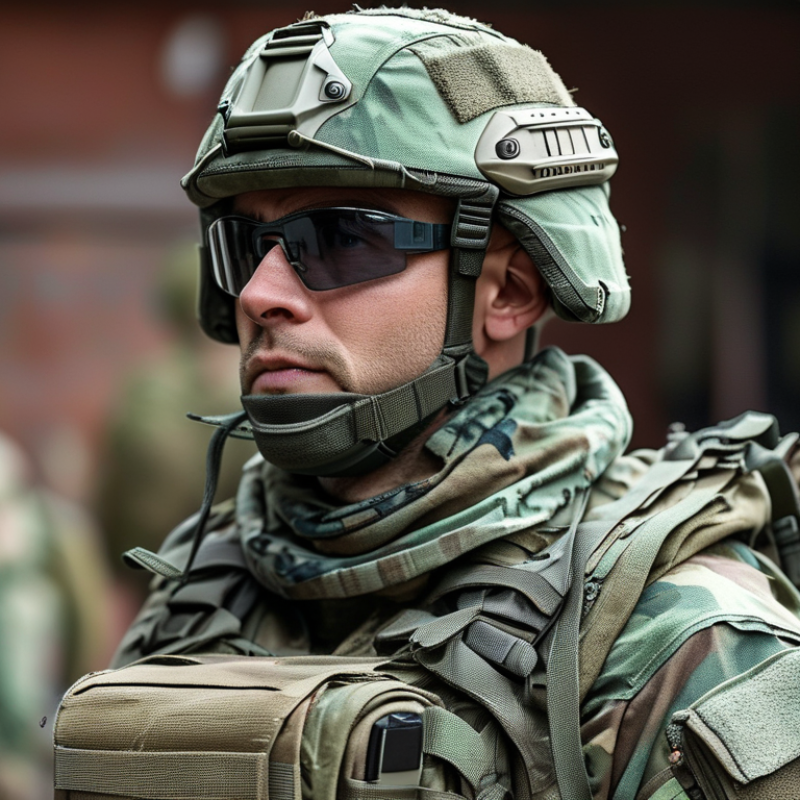
2026 Military Uniform Trends: An Overview for Global Buyers
As the world evolves, so do military uniforms. In 2026, global buyers will see a variety of trends reshaping these vital garments. Sustainability will be at the forefront, with eco-friendly materials gaining traction. These choices reflect a growing awareness of environmental issues. This change is crucial but not without challenges. Sourcing sustainable fabrics can be costly and may limit design options.
Another notable trend is the incorporation of technology. Uniforms will likely feature built-in sensors for health monitoring. This innovation could enhance soldier safety but may raise privacy concerns. Technological integration must be balanced with practicality. A sleek design should not compromise functionality.
Cultural influences will also play a significant role in design. Countries may blend traditional patterns with modern aesthetics. This fusion can strengthen national identity, yet it risks alienating certain demographics. Understanding the cultural context is key for global buyers. Embracing these trends could lead to more inclusive and representative uniforms.
Innovative Materials and Technologies in Military Uniforms for 2026
The future of military uniforms is being reshaped by innovative materials and technologies. In 2026, we expect a shift towards lighter, more versatile fabrics. According to a recent report by the Global Military Textiles Market Research, the demand for smart textiles is projected to grow by 25% over the next few years. These textiles can adapt to environmental changes, enhancing soldier safety.
Advanced technologies are also playing a crucial role. Integration of wearable sensors is becoming more common. These can monitor vital signs, fatigue levels, and environmental conditions. A study indicated that uniforms with embedded sensors can improve mission efficiency by 15%. However, concerns about data security and soldier privacy still linger.
Recycling and sustainability are crucial considerations for future designs. Many manufacturers are exploring bio-based materials. Reports show that using eco-friendly fabrics could lower the carbon footprint by up to 35%. Yet, transitioning from traditional materials presents challenges, like durability and performance in extreme conditions. Designers will need to balance these factors, ensuring uniforms are both functional and sustainable.
Key Design Features Shaping the Future of Military Uniforms
The trends in military uniforms for 2026 are leaning towards multifunctionality and comfort. Key design features focus on lightweight materials and advanced breathability. These attributes enhance soldier mobility and adaptability in various environments. Camouflage patterns are evolving, integrating urban and natural blends, providing better concealment. Colors appear in shades that reflect current terrains, making soldiers less detectable.
Tips: Consider fabric that dries quickly. This is crucial for varied climates. Also, look for materials that resist wear and tear in tough conditions.
The ergonomic design is gaining importance. Uniforms are now tailored for fit, allowing for a full range of motion. Integrated technology is becoming commonplace too. Features like built-in communication systems and sensors enhance operational efficiency. However, the balance between functionality and the need for traditional aesthetics remains a challenge.
Tips: Pay attention to pocket placements. They should be accessible yet secure. Reflective elements must not compromise stealth.
As trends evolve, feedback from military personnel is crucial. Their insights shape designs, ensuring uniforms are practical. Despite advancements, there’s room for improvement. Uniforms must be tested in real scenarios to evaluate their effectiveness fully.
Sustainability in Military Uniform Trends for 2026
Sustainability in military uniforms is an essential trend for 2026. As global buyers become more conscious of environmental impacts, there’s a shift towards eco-friendly materials. Fabrics made from recycled plastics or organic fibers are now seen as viable alternatives. These choices aim not only to reduce waste but also to lessen the carbon footprint associated with production.
Designing uniforms with sustainability in mind requires innovation. Durable materials that withstand harsh conditions are key. However, challenges remain. Finding balance between functionality and eco-friendliness is difficult. Moreover, the sourcing of these materials raises concerns about supply chains. Transparency and ethical practices are now more important than ever.
Recycling programs are gaining traction, yet implementation is uneven. Some militaries are adopting circular economy principles, while others lag behind. Evaluating the impact of changes over time will be necessary. Embracing sustainability may also require cultural shifts within military organizations. Each step towards greener uniforms presents both opportunities and obstacles.
Global Market Insights: Demand and Preferences in Military Uniforms
The global military uniform market is evolving rapidly. Research indicates that the market will reach approximately $2 billion by 2026. Key factors driving this growth include technological advancements and sustainability trends. Buyers are increasingly prioritizing lightweight materials and climate adaptability in uniform designs.
A recent report highlighted that 58% of military buyers prefer uniforms that incorporate advanced fabrics. These allow for moisture-wicking and temperature regulation. Photonic textiles are gaining interest for their innovative properties. The demand for multifunctional uniforms is clear; armed forces seek practicality alongside style.
Tips: When selecting military uniforms, emphasize comfort and performance. Consider uniforms that offer modular features for versatility in various environments. Always analyze user feedback on durability and functionality to refine choices. Flexibility in design can also enhance usability across diverse operational scenarios.
2026 Best Military Uniform Trends for Global Buyers
| Trend | Key Features | Material | Market Demand (%) |
| Digital Camouflage | Enhanced concealment in urban environments | Ripstop fabric | 35% |
| Lightweight Tactical Gear | Breathable, flexible designs for improved mobility | Polyester blend | 25% |
| Multifunctional Uniforms | Integrated technology for communication and tracking | Nylon spandex | 20% |
| Sustainable Materials | Eco-friendly fabrics with long lifespan | Recycled polyester | 15% |
| Customizable Tactical Suits | Tailored fit with various accessory options | 100% cotton | 5% |

 Skip to content