2026 Top Food Boxes Trends for Healthy Eating Options?
In 2026, the food boxes industry is set to explode with new trends aimed at healthy eating. Experts like Dr. Emily Lewis, a nutritionist with over a decade of experience, emphasize the importance of convenience in healthy diets. She states, “Food boxes provide an easy way to incorporate fresh ingredients into our hectic lives.” This highlights a growing desire for efficiency without sacrificing nutrition.
The concept of food boxes has evolved significantly. They now include options for various dietary needs, from vegan to gluten-free. These boxes not only deliver meals but also promote sustainable practices through local sourcing. However, it’s essential to question whether all food boxes truly meet these high standards of health and sustainability.
Consumers are becoming more conscious of what they eat. They expect transparency in ingredients and sourcing methods. This shift reflects a deeper understanding of nutrition. It's vital for users to research brands thoroughly to avoid disappointment. The food boxes market is ripe with potential, but navigating it requires careful consideration.
Emerging Trends in Food Boxes for Health-Conscious Consumers
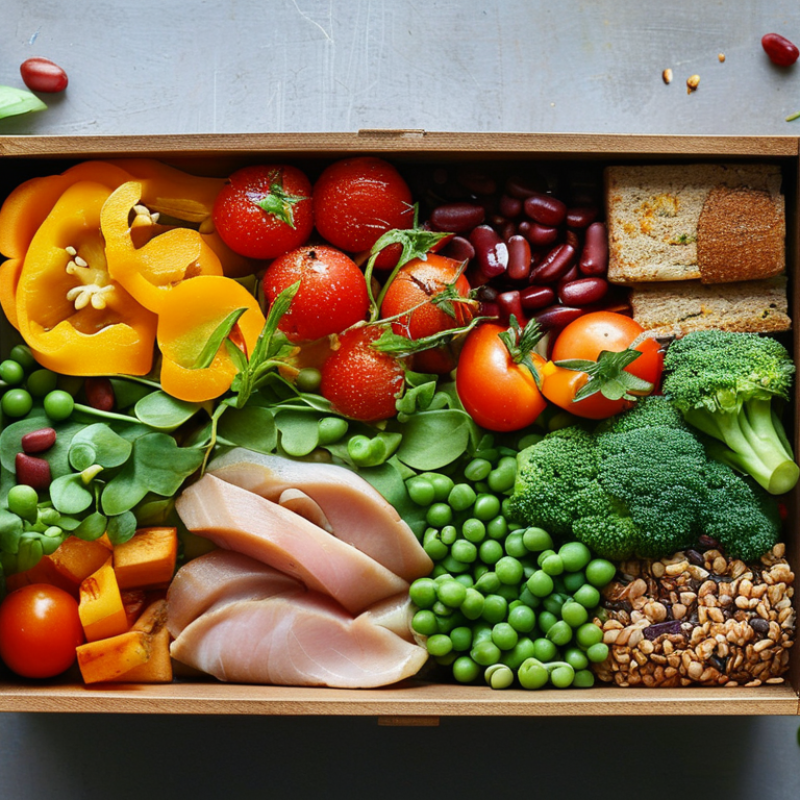
As we approach 2026, food boxes are evolving to meet the needs of health-conscious consumers. With a growing emphasis on sustainability, many people are looking for options that are not only nutritious but also environmentally friendly. Innovative packaging, like compostable materials, is becoming standard. This shift reflects a desire for transparency in sourcing and production methods.
Moreover, personalized nutrition is becoming a major trend. People crave options tailored to their dietary needs. Food boxes now offer customizable meals based on individual preferences, including vegan, paleo, or keto diets. This adaptability makes healthy eating accessible for everyone. However, it’s important to note that not every food box fulfills dietary promises. Consumers should stay vigilant, asking questions about ingredient sourcing and preparation.
Plant-based offerings are also on the rise. Superfoods like quinoa and spirulina are commonly featured in these boxes. They provide essential nutrients without excessive calories. But the challenge lies in balancing taste and nutritional value. Some items may taste less appealing, leading to food waste. By securing variety and flavor, food boxes can enhance the eating experience while supporting healthy lifestyles.
2026 Top Food Boxes Trends for Healthy Eating Options
| Trend |
Description |
Target Audience |
Nutritional Focus |
| Plant-based Subscription Boxes |
Boxes featuring exclusively plant-based meals and snacks. |
Vegetarians, Vegans, Health enthusiasts |
High protein, Low fat |
| Keto-friendly Options |
Boxes designed for those following a ketogenic diet. |
Keto dieters, Weight loss seekers |
Low carb, High fat |
| Gluten-free Boxes |
Curated meals and snacks free from gluten. |
Individuals with gluten intolerance, Celiac disease |
Healthy grains, Fiber-rich |
| Meal Prep Kits |
Easy-to-follow kits for preparing healthy meals at home. |
Busy professionals, Families |
Balanced meals, Portion control |
| Superfood Boxes |
Boxes rich in superfoods such as acai, spirulina, and chia. |
Health connoisseurs, Nutrient seekers |
Antioxidant-rich, High nutrient density |
Plant-Based Options: A Focus on Sustainable Eating
Plant-based eating continues to grow in popularity. Many consumers are leaning towards sustainable options. This shift emphasizes health, ethics, and environmental impact.
One trend in food boxes is the inclusion of plant-based proteins. These ingredients offer various health benefits. They can lower cholesterol and reduce the risk of heart disease. Plus, many options are rich in fiber. They contribute to gut health and full digestion. It is important to read labels and understand what you are consuming.
Here are some tips to enhance your plant-based diet. First, experiment with different grains like quinoa or farro. They provide essential nutrients and add texture to your meals. Incorporate seasonal vegetables for maximum freshness and flavor. Lastly, don't shy away from trying new recipes, even if they seem complicated. Each attempt brings valuable learning experiences. Embrace imperfections; they lead to creativity in the kitchen and evolution in your eating habits.
Personalized Meal Plans: Tailoring Nutrition to Individual Needs
Personalized meal plans are becoming essential for those seeking healthy eating options. These meal plans cater to individual dietary needs, preferences, and goals. Whether you are aiming to lose weight, build muscle, or maintain a balanced diet, a tailored approach can make a significant difference.
Many users find traditional diet plans too rigid. They often don't consider personal preferences or lifestyle. A meal plan that calls for foods you dislike might lead to frustration. Tailored nutrition takes into account your unique taste and health requirements. It helps to ensure that sticking to your diet feels enjoyable and achievable.
Personalized meal plans may also present challenges. Gathering detailed information about specific dietary needs can be time-consuming. Plus, not everyone may have access to professional nutritional guidance. Additionally, the effectiveness of a meal plan hinges on consistent tracking and adjustments. The commitment to personal health requires dedication. It’s a journey that requires both reflection and adaptation.
Eco-Friendly Packaging Innovations in Food Delivery
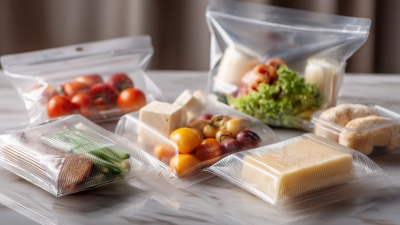
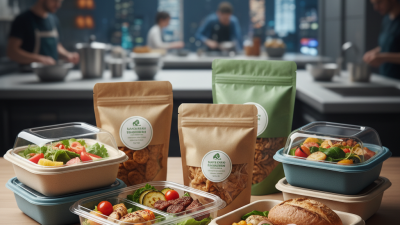
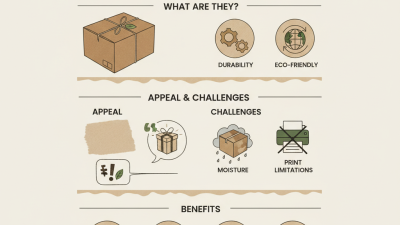
As food delivery continues to evolve, eco-friendly packaging has become a focal point. Consumers are more aware of their impact on the environment. They seek sustainable options. Innovative materials such as plant-based plastics and compostable containers are gaining popularity. These choices reduce waste and carbon footprints.
Interestingly, not all packaging solutions are equally effective. Some biodegradable materials may not degrade as expected in certain conditions. This can mislead consumers into thinking they're making greener choices. A balance must be struck between functionality and sustainability. Moreover, packaging that keeps food fresh without harmful chemicals is crucial. Consumers should look for transparency in how products are made. This empowers informed decisions and challenges the industry toward better practices.
Diverse cultures are inspiring new ideas in packaging design. Traditional methods embrace minimalism while being functional. Simple yet effective solutions can be adopted globally, reducing reliance on plastics. As brands innovate, they must remain accountable. Promoting true eco-friendliness is vital for a sustainable future. The food delivery sector must reflect on its choices while prioritizing the planet’s health.
Global Flavors: Incorporating Diverse Cuisines into Meal Kits
The meal kit industry is evolving. A key trend in 2026 is the integration of global flavors. Consumers are seeking diverse culinary experiences. According to a recent industry report, nearly 70% of meal kit users prefer options that reflect international cuisines. This trend highlights the growing interest in authentic foods from various cultures.
Incorporating spices from India, herbs from Mediterranean regions, and sauces from Southeast Asia can transform a meal kit. These elements add depth and excitement. Additionally, meal kits featuring global flavors can promote healthier eating habits. They often include fresh ingredients and encourage home cooking. However, it's essential to strike a balance. Not all culinary fusions resonate with everyone.
Tips for enhancing your meal kit experience: choose recipes that you can modify. Make adjustments based on dietary needs. Experiment with local ingredients to support small producers. Embrace the challenge of trying unusual combinations. This approach can lead to delightful surprises in your kitchen.
 Skip to content