What is a 300 Piece Jigsaw Puzzle and Why Buy One?
A 300-Piece Jigsaw Puzzle offers a perfect blend of challenge and enjoyment for both enthusiasts and newcomers. As the market for puzzles grows, recent reports from the Puzzle Industry Association reveal a 25% increase in sales over the past year. This is driven by more families seeking screen-free activities. The 300-piece puzzles are especially popular because they strike a balance in complexity, making them ideal for both adults and children.
Expert puzzle designer, Sarah Mitchell, states, “A 300-piece jigsaw puzzle serves as a great introduction to the world of puzzles.” This statement highlights its accessibility. Despite the rising popularity, some buyers question if simpler puzzles can still provide satisfaction. The tactile experience of fitting pieces together can be rewarding, regardless of piece count. Additionally, finishing a puzzle might lead to reflections on patience and perseverance in a fast-paced world.
Choosing a 300-Piece Jigsaw Puzzle isn't just about entertainment. It's a journey through creativity and personal growth. Each puzzle piece contributes to a larger picture – a reminder that every small effort builds towards a significant achievement.
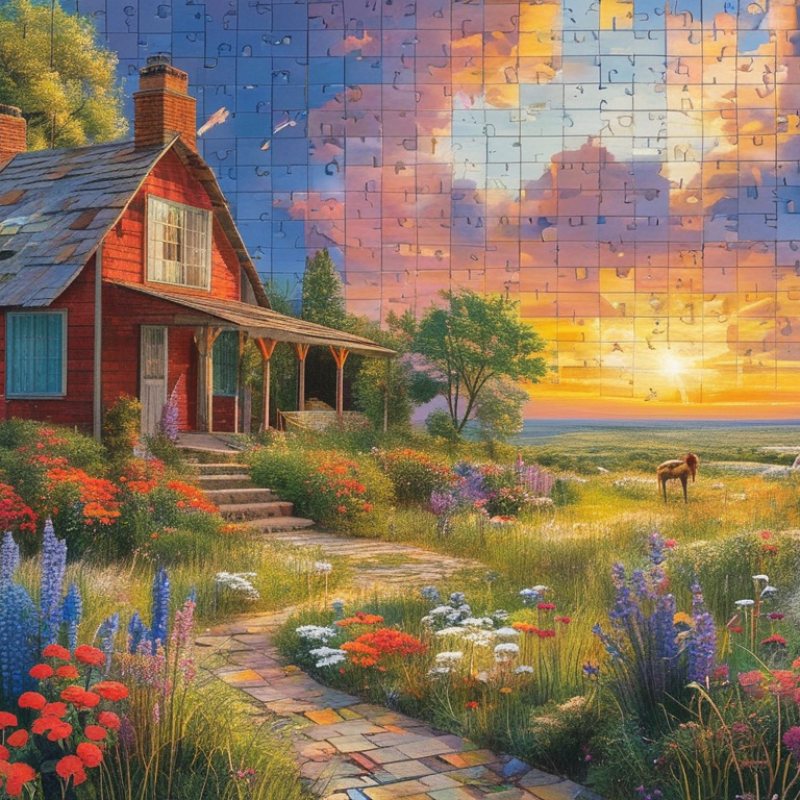
What is a 300 Piece Jigsaw Puzzle?
A 300-piece jigsaw puzzle offers a delightful challenge for both beginners and experienced puzzlers. With a manageable piece count, it strikes a balance between difficulty and satisfaction. Each piece often illustrates vibrant images, from serene landscapes to whimsical art. This makes the experience visually rewarding. Not only does it engage your mind, but it also encourages relaxation.
Engaging with a jigsaw puzzle can be a meditative process. The repetitive motion of connecting pieces can reduce stress. Each piece you fit into place brings a sense of accomplishment. However, puzzles can be frustrating. It's easy to feel stuck or lose sight of the overall picture. This challenge can lead to moments of reflection on patience and perseverance.
Moreover, a 300-piece puzzle is perfect for family activities. It allows for collaboration and conversation. You can share stories as you work together. Yet, tackling the puzzle solo can yield a different experience. The solitude can be comforting yet sometimes isolating. Balancing these dynamics makes puzzling a uniquely personal journey.
Key Features of 300 Piece Jigsaw Puzzles
A 300 piece jigsaw puzzle is a fantastic choice for both beginners and enthusiasts. This puzzle size strikes a balance between challenge and enjoyment. The pieces are large enough to handle easily, making it a rewarding experience. The artwork can vary from vibrant landscapes to intricate designs, sparking creativity and focus. Working on these puzzles can become a soothing activity, perfect for reducing stress.
When choosing a puzzle, consider the level of detail in the image. Complex patterns may increase the challenge, while simpler designs allow for quicker completion. Pay attention to the quality of the pieces as well. Sturdy, well-cut pieces enhance the overall experience. Look for puzzles with a glossy finish that can withstand handling.
Tips: Create a comfortable space for assembling the puzzle. Good lighting is essential. Try sorting pieces by color or edge, which can simplify the process. Also, take breaks to avoid frustration, especially with intricate parts. Enjoying the journey of piecing together the puzzle can be more rewarding than a quick finish.
Benefits of Completing a Jigsaw Puzzle
Completing a 300-piece jigsaw puzzle offers numerous benefits that extend beyond mere entertainment. Engaging with the vibrant colors and intricate patterns helps enhance concentration. As you sift through pieces, your mind sharpens and your focus deepens. This practice can improve cognitive skills over time, fostering mental agility and problem-solving abilities.
Moreover, jigsaw puzzles can be a therapeutic activity. The repetitive action of placing pieces together creates a calming effect. It invites a sense of mindfulness, allowing individuals to escape from daily stresses. The satisfaction of fitting the right piece can bring a small but significant joy. You might grapple with frustration along the way, as some pieces just won’t fit. However, overcoming these moments can build resilience and patience.
Socially, working on a puzzle with family or friends can strengthen bonds. Conversations can flow naturally as you collaborate. Yet, it's important to remember that everyone has different approaches to solving puzzles. This could lead to disagreements or tension. The key is in navigating these dynamics with tolerance.
Ultimately, the process promotes not just cognitive skills but also interpersonal growth.
Tips for Choosing the Right 300 Piece Puzzle
Choosing the right 300-piece jigsaw puzzle can significantly enhance your puzzle-solving experience. When selecting, consider the image on the puzzle. A vibrant and engaging image can keep you motivated. Look for themes that interest you. This helps maintain your focus and enjoyment throughout the process.
Another important factor is the quality of the pieces. High-quality puzzles fit together better. Flimsy pieces can lead to frustration. Read reviews or seek recommendations from others who have completed similar puzzles. Pay attention to the piece shape and size as well. Interlocking pieces are generally easier to work with, especially if you are a beginner.
Lastly, think about the setting where you’ll work on the puzzle. Having enough space is vital. A comfortable area can make a difference in your motivation. If you’re not careful, an overcrowded table can lead to misplaced or lost pieces. Take your time to find the puzzle that best fits your interests and situation. That’s part of the joy of puzzling—discovering what suits you!
How to Enjoy and Store Finished Puzzles
Completing a 300-piece jigsaw puzzle is a gratifying experience. Once finished, the puzzle may seem too beautiful to be tucked away. However, storing your completed puzzles can be a rewarding process in itself. One effective way is to use a puzzle keeper or a dedicated storage box. Be sure to handle your finished work with care, as it can be fragile.
After assembling your puzzle, consider how to display it. You might want to frame it or glue the pieces together. This gives it a second life as wall art. Additionally, digital options exist. Many people take high-resolution photos of their finished puzzles. This way, you can create a photo album showcasing your achievements.
Cleaning up after a puzzle session is crucial. Ensure all pieces are accounted for before storing. Some puzzles may have missing pieces or damaged sections. It's okay; you can reflect on your journey. After all, every puzzle presents its own set of challenges and rewards. Finding joy in both the process and the outcomes is what truly matters.
What is a 300 Piece Jigsaw Puzzle and Why Buy One?
| Dimension | Details |
| Piece Count | 300 Pieces |
| Recommended Age | 8 years and up |
| Puzzle Size (Completed) | Approximately 18" x 24" |
| Benefits of Puzzling | Enhances cognitive skills, improves problem-solving, and provides relaxation. |
| Storage Options | Puzzle keeper boxes, large zip bags, or dedicated shelving. |
| Best Practices for Enjoyment | Work on a flat surface, sort pieces by color and edge, take breaks. |
| Community Engagement | Join puzzle groups, participate in competitions or share finished puzzles online. |

 Skip to content