What Are the Benefits of Food Boxes for Healthy Eating?
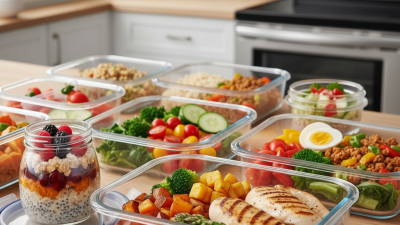
In recent years, food boxes have gained popularity as a means of promoting healthy eating. These pre-portioned packages offer convenience and variety. Packed with fresh produce and wholesome ingredients, food boxes can inspire people to cook nutritious meals at home. This approach often reduces the temptation to order takeout.
Food boxes help in mindful eating. They encourage individuals to engage more with their meals. By having everything prepared, cooks can experiment with new recipes. However, there is room for improvement. Some food boxes may lack diversity or locally sourced ingredients. This can lead to potential issues in overall nutrition.
Moreover, while food boxes offer benefits, not everyone may find them accessible or affordable. This can limit the impact of food boxes on certain communities. Despite these challenges, food boxes remain a valuable tool for those seeking healthier lifestyles. They remind us that healthy eating can be both enjoyable and simple.
Overview of Food Boxes and Their Role in Healthy Eating
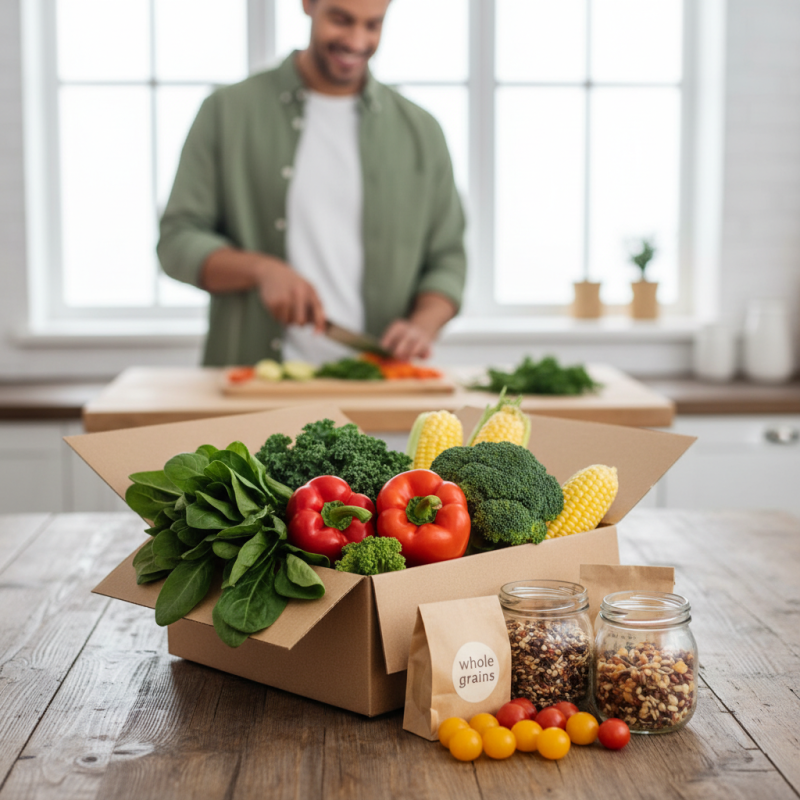
Food boxes are a convenient way to promote healthy eating. They often contain fresh fruits, vegetables, grains, and proteins. This variety helps individuals explore new foods. It encourages trying recipes that may not be typical in one's diet. The excitement of opening a box filled with colorful produce can inspire creativity in cooking.
However, food boxes sometimes lack certain staples. For example, they may not include household basics like oil or spices. This means that users need to plan carefully. Some might find it challenging to use all the ingredients before they spoil. Cooking with seasonal produce also demands flexibility, and not every box may align with personal preferences.
The educational aspect of food boxes should not be overlooked. They often feature recipe cards or tips for preparation. These resources can be a great way to learn new cooking skills. Yet, not all recipes may suit everyone's taste or dietary restrictions. Food boxes represent an exciting tool, but they also require thoughtful engagement to maximize their benefits.
Nutritional Benefits of Consuming Fresh Ingredients from Food Boxes
When we talk about food boxes, the nutritional benefits are significant.
Fresh ingredients in these boxes provide vital vitamins and minerals. According to the USDA, fruits and vegetables are essential for a balanced diet. They can reduce the risk of chronic diseases. Yet, many people struggle to consume the recommended servings.
A study by the American Heart Association highlights that a diet rich in produce can lower heart disease risk by up to 30%. Food boxes often contain seasonal items, which can be tastier and more nutritious. However, accessing fresh produce might be challenging for some. Limited availability can lead to reliance on processed foods.
Moreover, preparation of these ingredients can be daunting. Yet, cooking with fresh items can be rewarding. It can foster healthier eating habits over time. Engaging with seasonal fruits and vegetables can encourage creativity in meal planning. Embracing this variety enriches our diets. It can lead to greater satisfaction, but it requires ongoing effort and reflection on our food choices.
Cost-Effectiveness of Food Boxes Compared to Traditional Grocery Shopping
Food boxes are changing how we think about healthy eating. They can be more cost-effective compared to traditional grocery shopping. Many people find that buying pre-portioned ingredients is easier and cheaper. These boxes often include a variety of fresh produce and proteins. This variety helps ensure that meals are more balanced and nutritious.
When considering food boxes, think about your cooking habits. Are you someone who enjoys cooking? If so, a food box can save you time and reduce food waste. You receive exactly what you need. However, some may feel
overwhelmed by the recipes. Cooking skills vary widely among individuals. It’s important to reflect on how comfortable you are in the kitchen.
Tips for making the most of your food box: Start by familiarizing yourself with the ingredients. Create a meal plan for the week based on what you receive. Additionally, do some research on recipes to avoid confusion. With a little preparation, food boxes can enhance your eating experience while being budget-friendly.
Convenience and Accessibility of Healthy Meal Options through Food Boxes
Food boxes have become a popular option for those seeking healthier meals. They offer convenience in our fast-paced lives. Imagine receiving a box filled with fresh vegetables, grains, and proteins right at your doorstep. This ease of access allows busy individuals and families to make healthier choices without much effort.
Accessibility is another critical aspect. Many food boxes cater to specific dietary needs, such as vegan or gluten-free options. This gives people the chance to explore new recipes they might not have tried before. However, it’s essential to reflect on whether these options are too limited. Are they truly meeting every individual’s needs? Some users might find the selection repetitive over time. Balancing variety with healthiness can be challenging.
While food boxes encourage healthier eating habits, they aren’t a one-size-fits-all solution. Accessibility also depends on delivery areas. Some may not have access to certain meal boxes, which can be frustrating. In these moments, it becomes crucial to remember that exploring local markets or grocery stores can complement meal boxes. Engaging with local food sources can enhance the overall experience of healthy eating.
Environmental Impact of Food Boxes in Promoting Sustainable Eating Practices
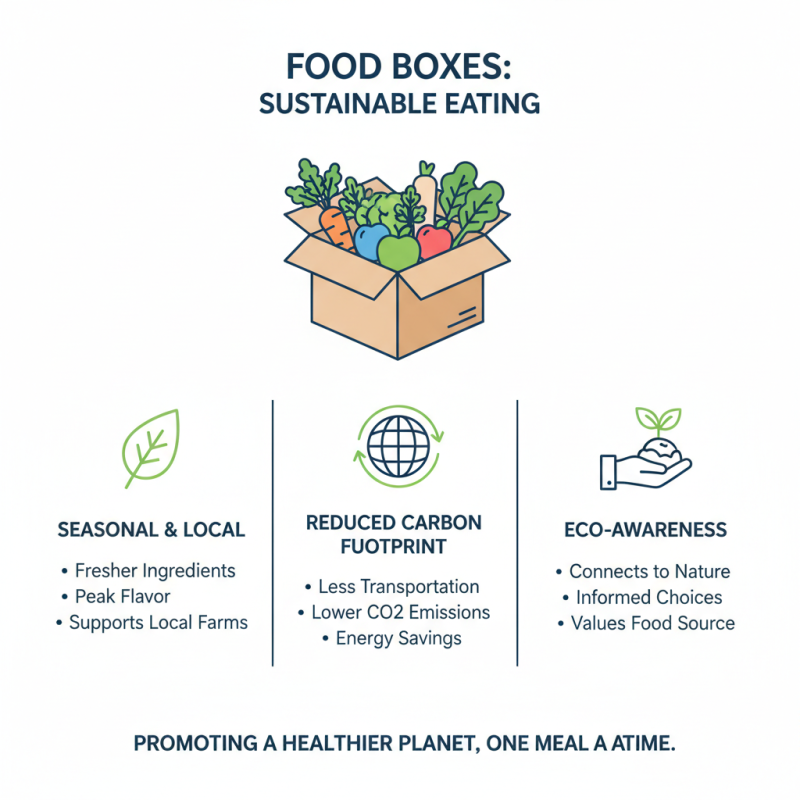
Food boxes have gained attention for promoting sustainable eating practices. They often feature seasonal, local produce. This reduces the carbon footprint associated with transporting food over long distances. Eating locally means fresher ingredients and seasonal flavors. This connection to the local ecosystem fosters awareness of food sourcing.
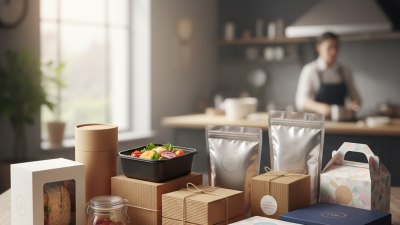
However, there are challenges to consider. Not all food boxes prioritize eco-friendly packaging. Some may still use plastic, which contributes to waste. Consumers need to reflect on their choices. It’s essential to support services that use biodegradable or compostable materials. This small shift can amplify the sustainability impact of food boxes.
Additionally, accessibility remains a concern. Not everyone can afford premium food boxes. It raises the question: how can we make these options available to all? Community initiatives can bridge this gap, allowing broader access to healthy, sustainable food. In our quest for balanced diets, we must also focus on inclusivity.

 Skip to content