Top 10 Benefits of Using Soap Boxes for Sustainable Packaging Solutions
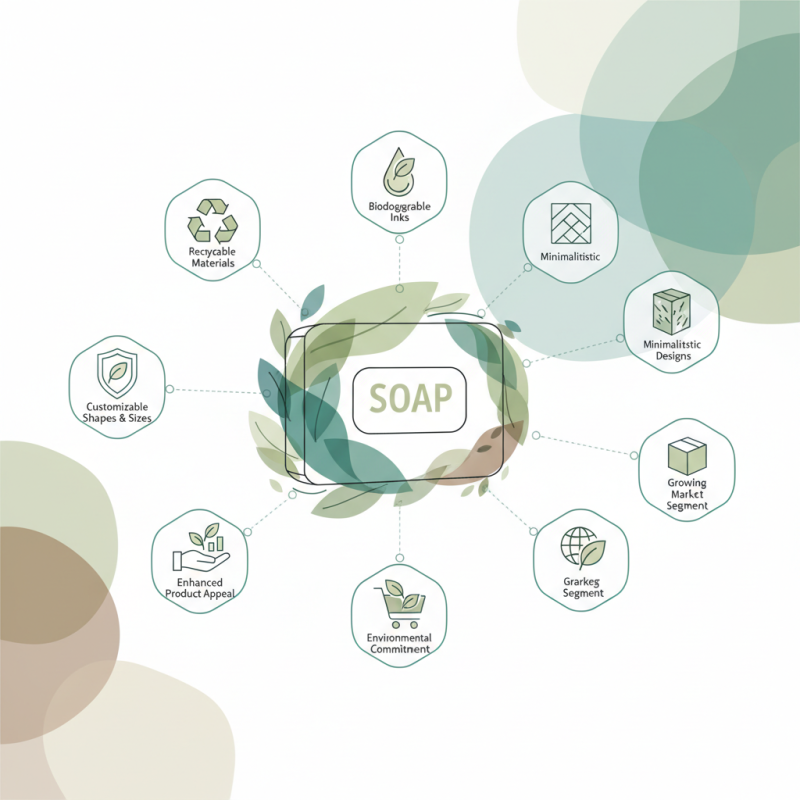
In the burgeoning field of sustainable packaging, soap boxes have emerged as a frontrunner, advocating for environmentally friendly solutions without compromising on aesthetics. Industry expert Dr. Emily Johnson, a leading figure in sustainable materials, states, “Utilizing soap boxes not only enhances product appeal but also contributes significantly to reducing our ecological footprint.” As the demand for eco-conscious products rises, businesses are increasingly turning to soap boxes that incorporate recyclable materials, biodegradable inks, and minimalistic designs that cater to the modern consumer's values.
The benefits of using soap boxes extend far beyond mere aesthetics. They serve as a versatile packaging solution that aligns with sustainability goals while preserving the integrity of the product. Soap boxes can be custom-designed to fit a variety of shapes and sizes, offering protection and visual interest that traditional packaging cannot match. Furthermore, by choosing soap boxes, brands not only exhibit their commitment to the environment but also tap into a growing market segment that prioritizes sustainability. As we delve into the top ten benefits of soap boxes, it becomes clear that this packaging option represents a foundational shift in how companies can approach product presentation in alignment with ecological responsibility.
Benefits of Soap Boxes in Sustainable Packaging
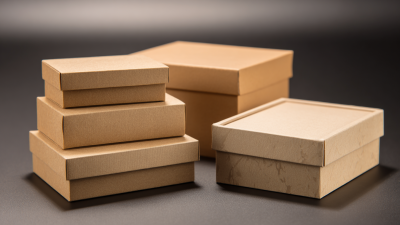
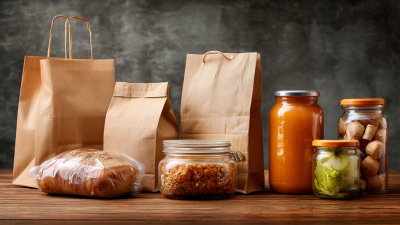
Soap boxes play a crucial role in sustainable packaging solutions, providing multiple benefits that contribute to environmental conservation. Firstly, these boxes are often made from biodegradable materials such as recycled paper or cardboard, which means they can decompose naturally without harming the planet. This feature significantly reduces landfill waste and minimizes the overall carbon footprint associated with packaging. Moreover, many soap boxes can be designed to be reusable or recyclable, promoting a circular economy and encouraging consumers to practice sustainable habits.
In addition to their environmental advantages, soap boxes also offer practical benefits that align with sustainable practices. They can be easily customized and printed using eco-friendly inks, which further enhances their appeal for brands committed to sustainability. The compact design of soap boxes often requires less raw material compared to traditional packaging, making them a more resource-efficient option. This efficiency not only helps in reducing costs for manufacturers but also leads to lower emissions during production and transportation. Overall, soap boxes represent a significant step towards eco-conscious packaging that meets the demands of both consumers and the planet.
Environmental Impact of Using Soap Boxes
The environmental impact of using soap boxes as sustainable packaging solutions is significant. Soap boxes, often crafted from recycled or biodegradable materials, help reduce landfill waste and promote a circular economy. According to a report by the Paper and Packaging Board, using recycled materials in packaging can save up to 60% of energy compared to using virgin materials. This makes soap boxes not only functional but also an eco-friendly choice in the quest for sustainable alternatives in packaging.
Moreover, the shift towards sustainable packaging is supported by consumer behavior trends. A survey by Nielsen found that 66% of global consumers are willing to pay more for sustainable brands. This indicates a growing market demand for products packaged in environmentally friendly materials like soap boxes. By utilizing these boxes, companies can appeal to eco-conscious consumers while also significantly reducing their carbon footprint.
Tips: To maximize your sustainability efforts, consider integrating compostable inks and adhesives in the production of your soap boxes. Additionally, using designs that minimize material waste can further enhance the ecological benefits of these packaging solutions. Embracing eco-friendly practices not only helps the environment but also positions your brand as a leader in sustainability.
Cost-Effectiveness of Soap Box Production
The production of soap boxes presents a highly cost-effective solution for businesses looking to adopt sustainable packaging methods. Firstly, the materials utilized in manufacturing soap boxes, such as recycled paper and biodegradable materials, often come at a lower cost compared to conventional packaging options. This reduction in material expenses translates into overall lower production costs, making soap boxes an appealing choice for small and medium enterprises aiming to optimize their budgets while maintaining eco-friendly practices.
Moreover, the efficient design and ease of production processes associated with soap boxes significantly reduce labor and manufacturing time. Companies can streamline their packaging operations by using automated production techniques tailored for soap boxes, which leads to reduced labor costs and faster turnaround times. This efficiency not only enhances profitability but also allows companies to allocate resources toward other critical areas, such as marketing or product development. Embracing soap boxes as a sustainable packaging solution ultimately supports economic viability while contributing positively to environmental conservation efforts.
Top 10 Benefits of Using Soap Boxes for Sustainable Packaging Solutions - Cost-Effectiveness of Soap Box Production
| Benefit |
Description |
Cost-Effectiveness |
| Environmentally Friendly |
Biodegradable materials reduce environmental impact. |
Low-cost raw materials due to availability. |
| Customizable Designs |
Allows for unique branding and differentiation. |
Affordable printing techniques reduce design costs. |
| Recyclable Materials |
Promotes recycling and circular economy. |
Reduces disposal costs for consumers. |
| Lightweight |
Easier and cheaper to transport. |
Lower shipping costs compared to heavier alternatives. |
| Versatile Usage |
Applicable for various products beyond soap. |
Single template for multiple products saves money. |
| Enhances Product Appeal |
Attractive packaging boosts sales and customer interest. |
Increased revenue offsets packaging costs. |
| Minimal Waste |
Efficient design minimizes excess material use. |
Saves costs by reducing material expenses. |
| Consumer Preference |
Growing demand for sustainable packaging among consumers. |
Higher market share leads to economies of scale. |
| Compliance with Regulations |
Meets environmental regulations and standards. |
Avoids fines or penalties from compliance failures. |
| Long Shelf Life |
Effectively preserves product quality and reduces waste. |
Reduces losses from unsold products due to expiration. |
Design Versatility of Soap Boxes for Brands
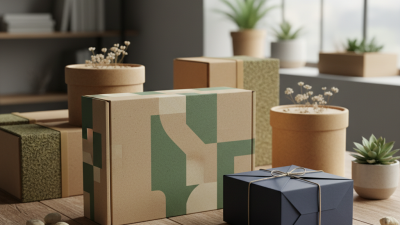
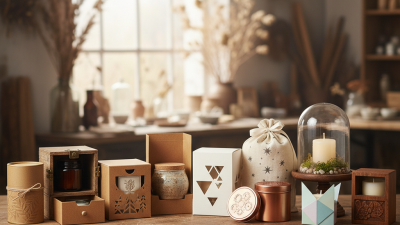
The design versatility of soap boxes plays a crucial role in enhancing brand identity and appeal in the competitive market. With a myriad of shapes, sizes, and finishes, these boxes can be tailored to fit the unique characteristics of any soap product. The adaptability in design not only allows brands to showcase their creativity but also caters to specific consumer preferences, making it easier to stand out on retail shelves. By incorporating elements like custom prints, embossing, and unique opening mechanisms, brands can effectively communicate their values and aesthetic, creating a memorable unboxing experience that resonates with customers.
Moreover, sustainable soap boxes provide an excellent canvas for brands to tell their stories. Eco-friendly materials, such as recycled cardboard or biodegradable options, can be harmoniously designed to reflect a brand's commitment to the environment. This not only enhances the visual appeal but also aligns with the changing consumer sentiment toward sustainability. Through innovative design choices, brands can create packaging that is not only functional but also an extension of their mission, fostering a deeper emotional connection with their audience. The ability to combine aesthetics with ethical considerations positions soap boxes as a pivotal element in branding strategies for modern companies.
Consumer Appeal and Market Trends in Eco-Friendly Packaging
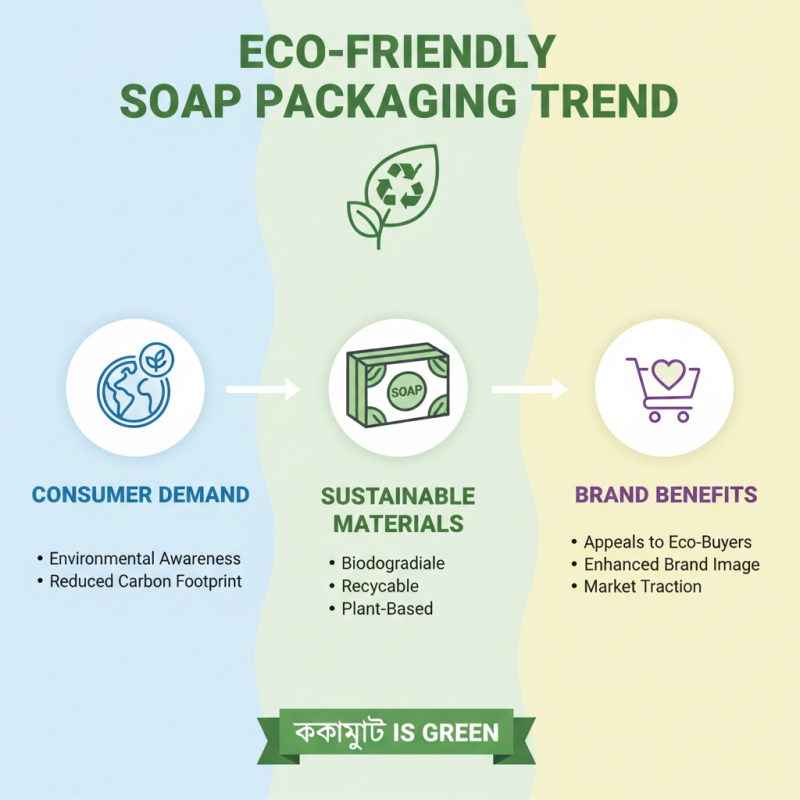
In recent years, consumer preferences have increasingly shifted towards eco-friendly packaging solutions, with sustainable materials gaining considerable traction in the market. This trend is driven by a growing awareness of environmental issues and the need to reduce carbon footprints. Soap boxes made from biodegradable and recyclable materials not only meet these consumer demands but also enhance brand appeal. Companies that prioritize sustainable packaging often attract environmentally-conscious buyers who value products that reflect their personal commitment to sustainability.
Furthermore, the use of eco-friendly soap boxes aligns with current market trends that favor transparency and ethical practices. Shoppers are becoming more informed and selective, seeking products that not only serve functional purposes but also contribute positively to the environment. By choosing sustainable packaging, brands can communicate their eco-conscious values, foster customer loyalty, and differentiate themselves in a crowded marketplace. This consumer appeal towards sustainable packaging solutions is not just a fleeting trend; it signifies a broader shift in purchasing habits that embraces responsibility and sustainability.
 Skip to content