Top 10 Benefits of Using a Medical Air Purifier in Your Home?
In today’s world, air quality is an essential concern for many families. A medical air purifier can significantly improve indoor environments. This device is designed to filter harmful particles, allergens, and pollutants.
Respiratory issues are on the rise. Families need reliable solutions to combat poor air quality. A medical air purifier can effectively remove dust, pet dander, and smoke. This leads to healthier living spaces for everyone. However, not all purifiers are created equal. Some may not filter specific particles effectively.
Investing in a quality medical air purifier is crucial. It helps reduce health risks, offering peace of mind. However, families should consider their unique needs before choosing. The wrong choice may lead to disappointment. Evaluating options, researching models, and understanding features can make a difference.
Benefits of Improved Indoor Air Quality with Medical Air Purifiers
Indoor air quality plays a crucial role in our health. Using a medical air purifier can significantly improve the air we breathe. These devices filter out pollutants like dust, allergens, and smoke. Many people may not realize how much indoor air can affect their well-being. Even homes that seem clean can harbor harmful particles.
Medical air purifiers offer benefits beyond just cleanliness. Improved air quality can lead to better sleep and increased focus. They may help reduce symptoms for allergy sufferers and those with respiratory conditions. It’s easy to overlook how indoor air can contribute to fatigue or headaches. A few hours in a room with purified air can make a difference.
Selecting the right purifier does require some thought. Not all devices are the same, and effectiveness can vary. Placement in your home also matters. Some corners may trap pollutants more than others. It's essential to find a balance between air quality and personal comfort. You may need time to adjust to knowing your air is cleaner.
Reducing Allergens and Asthma Triggers in the Home Environment
Indoor air quality has a profound impact on health, especially for those with asthma or allergies. According to the Asthma and Allergy Foundation of America, around 25 million people in the U.S. have asthma. Poor air quality can trigger symptoms and attacks. A medical air purifier can substantially reduce allergens. This includes dust, pollen, and pet dander, which often linger in the home environment.
Research shows that air purifiers can remove 99.97% of airborne particles. This is crucial for asthmatics. For many, daily exposure to allergens leads to wheezing and coughing. In a controlled study, patients using air purifiers saw a notable decrease in these symptoms. However, it's worth noting that these devices are not a cure-all. They must be used alongside other management strategies. Regular cleaning and maintaining optimal humidity levels are essential. Without these efforts, even the best air purifiers may fall short.
The presence of volatile organic compounds (VOCs) in homes adds another layer of complexity. These irritants can arise from household cleaners, paints, and furniture. The EPA reports that indoor pollutant levels can be 2 to 5 times higher than outdoors. Tackling this issue requires consistency. Using air purifiers can aid in reducing exposure, but users must remain vigilant about other sources of pollution. Ignoring this may limit the potential benefits of an air purification system.
Impact on Respiratory Health: Studies on Air Quality and Lung Function
Air quality is crucial for respiratory health. Studies show that poor indoor air can worsen lung function. The World Health Organization states that air pollution contributes to 4.2 million premature deaths annually. In homes, toxic particles and allergens can significantly affect families, particularly children and the elderly.
Research indicates that using a medical air purifier can reduce harmful particles in the air. One report found that these devices can lower airborne allergens by up to 99%. This reduction can lead to fewer asthma attacks and improved lung function over time. Additionally, exposure to cleaner air often results in better sleep quality and overall well-being.
Despite these benefits, many homes do not utilize air purifiers. Some people mistakenly believe that regular cleaning is sufficient. Others may overlook the long-term impact of air quality on health. It is vital to recognize that even a small investment in air purification can have profound effects on respiratory health. Addressing indoor air quality is often an overlooked but essential step in maintaining a healthy home environment.
The Role of HEPA Filters in Capturing Microbial Contaminants
HEPA filters play a crucial role in enhancing indoor air quality. They trap 99.97% of particles that are 0.3 microns or larger. This includes dust, pollen, and even some bacteria. A report from the U.S. Environmental Protection Agency states that indoor air can be up to five times more polluted than outdoor air. This statistic highlights the need for effective filtration systems at home.
Microbial contaminants are a significant concern. Studies show that HEPA filters can effectively capture airborne pathogens. According to research published in the Journal of Environmental Health, HEPA filtration can reduce the number of airborne bacteria by 50% or more. Such data points illustrate the filters' effectiveness in combating airborne illness transmission. However, not all HEPA filters are created equal, and performance can vary.
Many households overlook the importance of regular filter replacement. Filters can become less efficient when clogged with particulates. Some users might wait too long to change them, risking reduced air quality. Regular maintenance is critical to ensure optimal performance and health benefits. The need for awareness around these factors remains a key area for improvement in air purification practices.
Top 10 Benefits of Using a Medical Air Purifier in Your Home
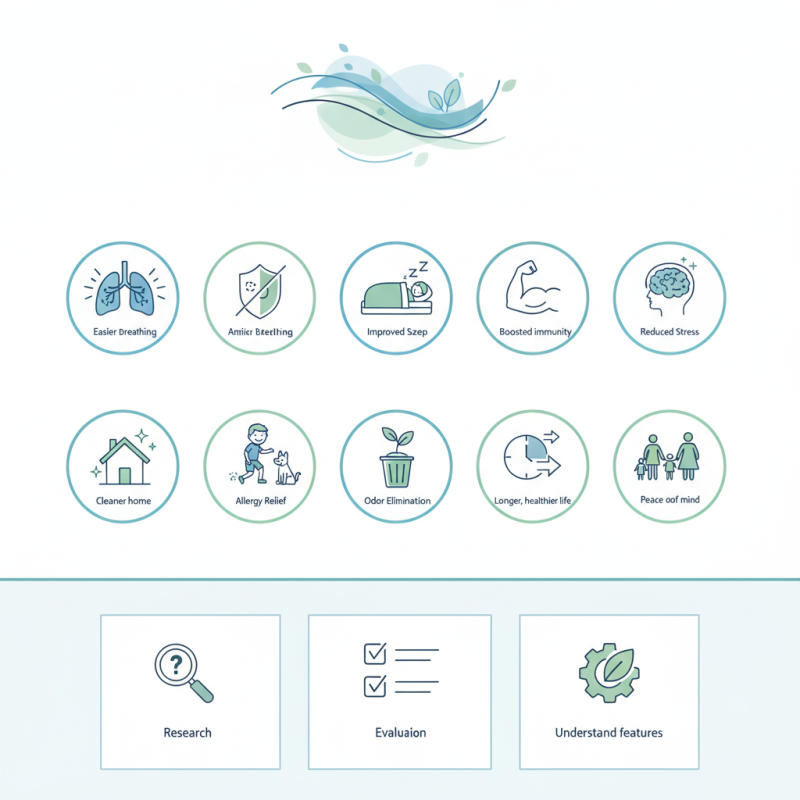
A medical air purifier equipped with HEPA filters can offer numerous benefits that enhance indoor air quality and overall health. The following chart illustrates the top ten advantages of using a medical air purifier in your home, focusing on the role of HEPA filters in capturing microbial contaminants.
Long-Term Health Cost Savings Associated with Cleaner Air in Homes
Cleaner air in homes can lead to significant long-term health cost savings. When indoor air is purified, harmful pollutants are reduced. This can decrease the risk of respiratory issues. Fewer health problems mean lower medical bills. Families can save money on doctor visits and medications.
Investing in a medical air purifier may seem costly at first. However, the benefits accumulate over time. For instance, children with allergies may experience fewer flare-ups. This creates a more productive learning environment. Many people overlook how air quality affects sleep. Better air promotes deeper, more restful sleep. Ultimately, this can enhance overall well-being.
Moreover, cleaner air can improve mood and cognitive function. Homes that prioritize air quality often report happier inhabitants. The consequences of neglecting air quality are real. Families may face ongoing health challenges without realizing the cause. It’s essential to reflect on these choices. Prioritizing clean air today can prevent hefty future expenses.

 Skip to content