Best Artificial Wall Grass Trends at 2026 Canton Fair?
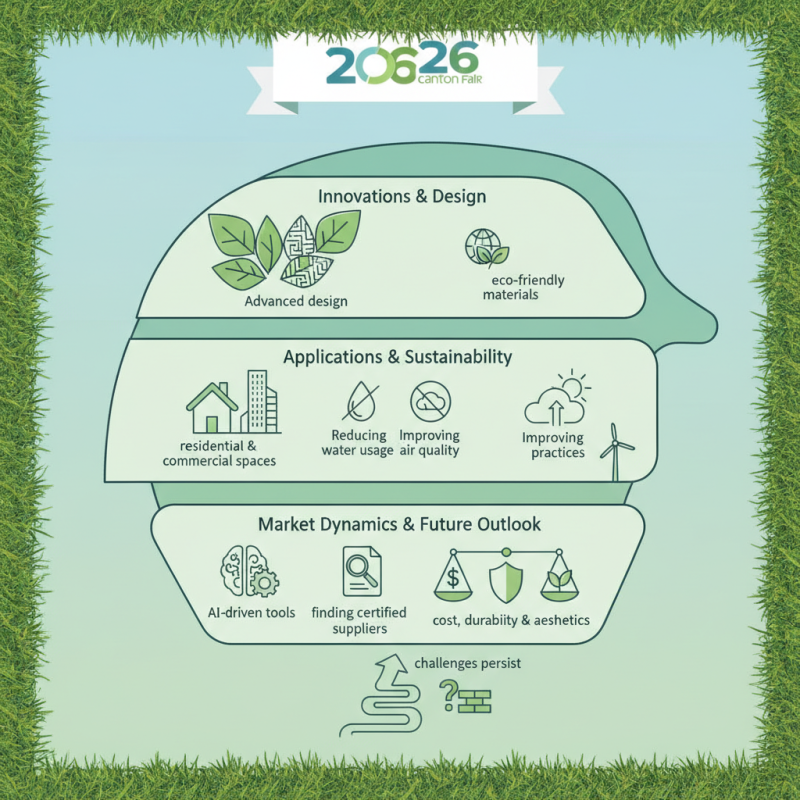
The 2026 Canton Fair promises exciting innovations in Artificial Wall Grass. This industry is rapidly evolving. From eco-friendly materials to advanced design features, trends are shaping a new landscape for artificial grass applications.
Exhibitors will showcase various products that mimic natural greenery. Buyers can explore options that enhance residential and commercial spaces. The fair will highlight sustainable practices tied to Artificial Wall Grass, such as reducing water usage and improving air quality.
AI-driven tools will aid buyers in their search. They can find suppliers with the right certifications efficiently. Yet, some manufacturers may still struggle to meet the increasing demand for quality. The balance between cost, durability, and aesthetics remains a critical point of reflection in this growing market. As trends unfold, the future of Artificial Wall Grass looks promising, yet challenges persist.
Emerging Trends in Artificial Wall Grass at the 2026 Canton Fair
The 2026 Canton Fair is poised to showcase innovative trends in artificial wall grass. This year, manufacturers are focusing on eco-friendly materials. Sustainability is key. Many companies are now using recycled plastics in their products. This not only reduces waste but also appeals to environmentally conscious consumers.
Color variation is another exciting trend. Vibrant greens mixed with subtle browns create a more natural appearance. Some displays even mimic seasonal changes. Lush summer greens can transform into warm autumn hues. The aim is to evoke a sense of realism that artificial grass previously lacked. Yet, achieving the perfect balance remains a challenge.
Textural diversity is also gaining momentum. Consumers are interested in different textures that enhance the visual appeal. Different pile heights can create depth and variation. However, some products still fail to provide the desired sensory experience. The challenge is in blending aesthetics with usability effectively. The display at the fair will undoubtedly inspire new designs and reflect evolving consumer preferences.
Innovative Materials Used in Artificial Wall Grass Designs
As we look ahead to the 2026 Canton Fair, artificial wall grass is gaining attention. Innovative materials play a pivotal role in these designs. Some designs incorporate recycled plastics, which are not only eco-friendly but durable. Others use UV-resistant fibers, making colors vibrant even in harsh sunlight.
Consider experimenting with textures. Some products mimic natural grass with varied heights and shades. This could create an inviting vertical garden look. However, the challenge lies in achieving realistic appearances. Designers often struggle with balancing aesthetics and practicality.
Tips to consider: Choose materials that are easy to clean and maintain. Natural-looking surfaces can increase appeal. Also, reflect on how color choices affect mood and ambience. Lighter greens evoke freshness, while darker tones can create a cozy feel. Transitioning to artificial designs can be daunting but rewarding. Be open to adjustments and improvements as trends evolve.
Sustainability Practices in Artificial Wall Grass Manufacturing
The trend toward sustainable practices in artificial wall grass manufacturing is vital. According to a recent industry report, 70% of consumers prefer products made from recycled materials. This shift is driving manufacturers to explore eco-friendly options. Many are now utilizing recycled plastic fibers in their products. It not only reduces waste but also lowers the carbon footprint.
Yet, challenges remain. Recycling processes can be costly and complex. Not all manufacturers are equipped to adopt these practices. Some artificial grass products still rely on new plastics, which contradicts sustainability goals. The industry must address this disparity. Innovations in material efficiency are crucial. Reports indicate that integrating bioplastics could reduce environmental impact significantly.
Investments in research are needed. Techniques to enhance durability while using less material are essential. The use of less harmful adhesives and dyes is also gaining attention. However, the pace of change must quicken to meet consumer demand. Balancing cost and sustainability is an ongoing struggle. The artificial grass industry is at a crossroads, and proactive measures are required for a greener future.
Applications and Benefits of Artificial Wall Grass in Interior Design
Artificial wall grass is transforming interior design trends. It brings a refreshing look to homes and commercial spaces. Many designers are opting for this green solution to create a natural ambiance. Picture a cozy café adorned with lush greenery. It instantly draws more customers.
Beyond aesthetics, the benefits are substantial. Artificial wall grass requires minimal maintenance. This is a significant advantage for busy spaces. Regular plants might demand watering and pruning, which isn’t always feasible. However, some may argue that artificial grass lacks the authenticity of real plants. The challenge lies in balancing realism with practicality.
Moreover, it enhances sound insulation. The soft texture absorbs noise effectively. This feature can make spaces feel more inviting. In open offices, it might help employees focus better. Yet, choosing the right type can be overwhelming. There are various textures and shades available. Designers must consider the overall theme carefully. The wrong choice can lead to a mismatched aesthetic. Attention to detail is essential.
Future Prospects for Artificial Wall Grass in Landscaping Solutions
Artificial wall grass is gaining traction in landscaping solutions. A report by Market Research Future indicates that the artificial grass market is projected to grow at a rate of 10% annually. This growth is fueled by urbanization and the need for sustainable, low-maintenance greenery.
The environmental benefits are notable. Artificial wall grass requires no water and minimal maintenance. It contributes to reducing urban heat, improving air quality, and enhancing aesthetics. Moreover, its use is increasingly popular in both residential and commercial landscapes. Statistics show that over 50% of homeowners consider landscaping with artificial grass as an eco-friendly choice.
However, challenges remain. Not all artificial grasses are created equal. Some products may fade over time, leading to a less appealing appearance. Consumers should research quality variations extensively. The price also varies widely, sometimes making it difficult for buyers to make informed decisions. Educating customers about durability and maintenance can improve satisfaction.

 Skip to content