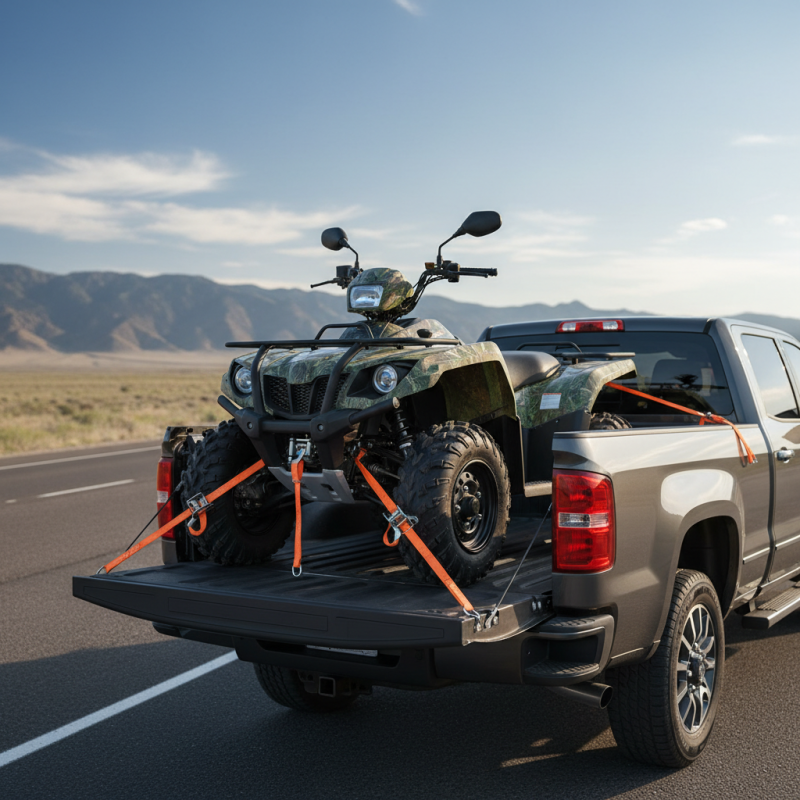
Best ATV Tie Downs for Safe Transport in 2026?
Transporting ATVs safely is crucial. The right Atv Tie Downs can make a significant difference in preventing damage during transit. According to industry reports, over 40% of ATV accidents happen due to improper securing. This statistic highlights the importance of choosing reliable tie downs.
Many users often overlook the specifications of ATV tie downs. It's not just about the weight capacity; material quality matters too. A study showed that nylon tie downs perform better in varying weather conditions. They resist wear and tear, ensuring long-term durability.
Some might find cheap options appealing. However, these often lead to catastrophic failures. Critical moments can arise during transport if tie downs slip or break. Reflecting on this, it’s clear that investing in quality ATV tie downs is essential for safety. Selecting the right equipment will save you from potential mishaps on the road.
Factors to Consider When Choosing ATV Tie Downs for 2026
When choosing ATV tie downs for 2026, several factors are crucial. The material of the tie downs significantly affects their strength and durability. Nylon is preferred for its elasticity and resistance to wear. Polyester offers UV protection, making it ideal for outdoor use. You’ll want to check the load capacity as well. Ensure the tie downs can handle the weight of your ATV securely.
Another consideration is the length of the tie downs. Longer straps can be versatile but may snag or get tangled easily. Shorter straps are easier to manage but may limit your securing options. Additionally, the type of hook matters. S-hooks may slip, while cam buckles provide a sturdier grip. Look for features that enhance usability, like padded handles or quick-release systems. These small details can make a big difference during loading and unloading.
Finally, consider the overall design. Some tie downs have reflective elements, which aid visibility in low light. A color-coded system helps quickly identify the right strap. It’s also important to reflect on how much maintenance you are willing to commit. Frequent checks prevent wear and tear but may be overlooked. Balancing convenience with safety is key in your choice.
Best ATV Tie Downs for Safe Transport in 2026
Top Materials Used in ATV Tie Downs: Durability and Strength
When transporting ATVs, choosing the right tie downs is crucial for safety and reliability. The best materials for tie downs include polyester, nylon, and polyurethane. Polyester stands out for its UV resistance and longevity. It offers a strong hold without stretching, ensuring that your ATV remains secure during transport. Studies indicate that polyester tie downs can withstand over 6,000 pounds of tensile strength, making them ideal for heavy loads.
Nylon, while lightweight, tends to stretch under heavy stress, which can lead to potential issues. Polyurethane tie downs provide excellent weather resistance but may not offer the same strength as polyester. Each material has its pros and cons, and it's essential to choose based on your specific needs. Conduct regular inspections for wear or damage. This can prevent unexpected failures.
Tips: Always use multiple tie downs for added security. Distribute weight evenly across your ATV. Consider using soft loops for added protection of the frame. Remember, safety first. Regular checks can make a big difference in preventing accidents.
Comparing Ratchet vs. Cam Buckle Tie Downs for ATV Transport
Transporting ATVs safely is crucial for any outdoor enthusiast. When it comes to tie-downs, ratchet and cam buckle ties are popular options. A recent report shows that improper tie-down methods account for 25% of transport-related accidents. Understanding the differences between these two systems is essential for enhancing safety.
Ratchet tie-downs are known for their strong gripping power. Their mechanism allows for tighter securing of your ATV. They provide a sense of security. Many users prefer them for heavy loads. However, using ratchet straps requires careful attention. Over-tightening can cause damage to the ATV frame. Moreover, if not handled well, they can snap and result in injury.
On the other hand, Cam Buckle Tie Downs are simpler to use. They are lighter and easier to adjust. Users often find them faster to set up. A study indicated that these straps are favored for smaller, lighter ATVs. However, they don't hold as tight as ratchet straps. This can be a concern for longer transports. Users should consider their specific needs when deciding. Each option has its strengths and weaknesses. Inappropriate use can lead to mistakes, regardless of the type chosen.
Best Brands of ATV Tie Downs in 2026: A Comprehensive Review
When transporting ATVs, securement is crucial. High-quality tie downs prevent damage and ensure safety on the road. An industry report indicates that over 70% of vehicle transport accidents are linked to improper load securing. This reality makes selecting the right tie down essential for any ATV owner.
Key factors to consider include strength, material, and ease of use. Heavy-duty materials resist wear and tear, but some tie downs may fray or weaken over time. Look for results from rigorous testing. For instance, some tie downs have been tested for up to 1,500 pounds of force, ensuring that they can hold under pressure. Yet, not all products meet these safety standards.
The diversity of options can be overwhelming. Users often share experiences that reveal the importance of balance between cost and reliability. Many report dissatisfaction with tie downs that seemed effective but failed after a few uses. Other users highlight the benefits of adjustable lengths and quick-release mechanisms, which enhance flexibility and speed. Understanding these variables can lead to better purchasing decisions.
Safety Tips for Using ATV Tie Downs Effectively and Securely
When transporting your ATV, safe tie down practices are crucial. Choosing the right tie downs is just the beginning. Proper usage is where safety truly matters. Ensure your ATV is well-aligned on the trailer. A misaligned vehicle can shift during transit.
Always inspect your tie downs before use. Look for frays or wear. Securely attach them to solid anchor points on the ATV. Avoid making them too tight, as this can cause damage. Conversely, make sure they aren't too loose. A loose tie down can lead to accidents on the road.
Tip: Use four tie downs for extra stability. Two at the front and two at the rear is ideal. Check them throughout your journey. Road bumps can loosen them. Even if it seems fine, take a moment to check. Taking these steps can prevent serious issues later.

 Skip to content