...

What Are the Best Bespoke Packaging Boxes in China?

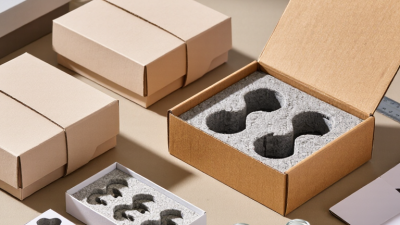
Choosing the right bespoke packaging boxes in China requires more than comparing attractive product photos. The strongest option should balance design, protection, cost, production accuracy, and responsible sourcing. A luxury rigid box may impress customers, yet a well-constructed folding carton could suit lighter products better. The best choice depends on your product, brand position, shipping route, and budget.

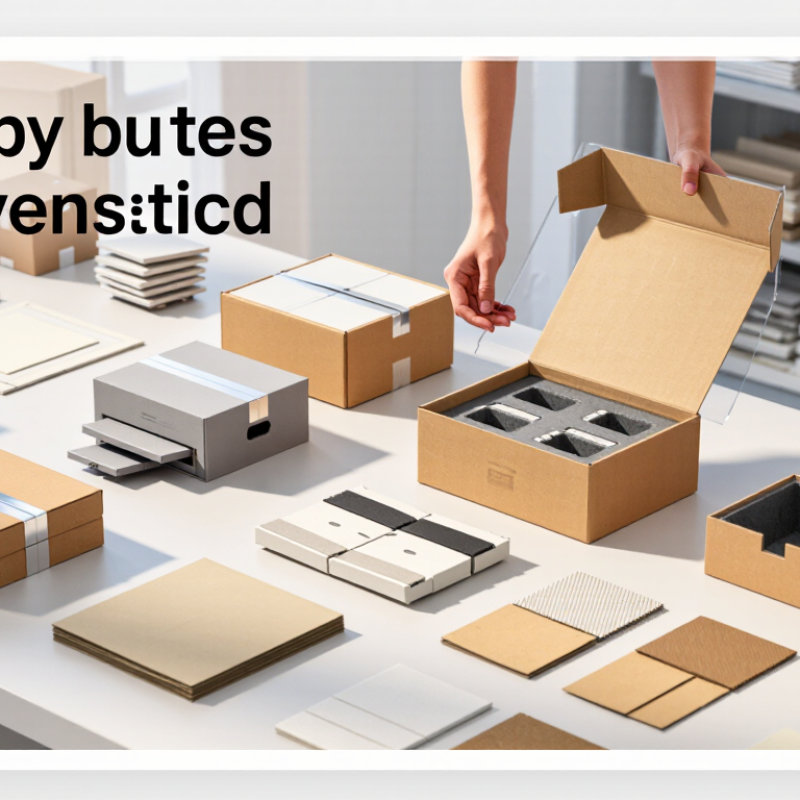
Details matter. Ask manufacturers for material samples, printed mock-ups, dielines, and pre-production prototypes. Examine board thickness, corner alignment, magnet strength, paper texture, and color consistency under natural light. Experienced suppliers should explain their paper grades, printing methods, finishing limits, lead times, and minimum order quantities clearly. They should also provide practical quality-control information, including inspection points and acceptable tolerances. Certifications such as FSC or ISO may support responsible purchasing, but they should be verified rather than accepted blindly.

No supplier is perfect. Even a polished sample can hide production risks, especially when artwork, assembly, or shipping conditions change. That is why reliable buyers confirm specifications in writing and test packaging under realistic handling conditions. Consider compression, moisture exposure, drop resistance, and storage temperature. Communication also matters. Fast replies are useful, but accurate answers matter more. This guide compares leading Chinese manufacturers through materials, customization, craftsmanship, sustainability, pricing transparency, and export experience. It also highlights weaknesses, because honest evaluation is more useful than exaggerated praise. With careful sampling and documented checks, businesses can select bespoke packaging boxes that protect products and strengthen customer confidence.
What Are the Best Bespoke Packaging Boxes in China?

What Defines Bespoke Packaging Boxes in China?

Bespoke packaging boxes in China are defined by controlled customization, not decoration alone. The box starts with a product’s exact measurements, weight, opening method, and shipping risks. An experienced packaging team may build a white sample before approving printed production. That sample reveals loose corners, crushed edges, or an insert that scratches the product. Small details matter.

Board thickness, paper texture, magnetic closures, window placement, and interior supports should serve a clear purpose. Custom printing can use precise color references, while coatings affect touch, moisture resistance, and recycling choices. Some buyers request foil or soft-touch finishes, but these can increase costs and complicate recycling. A practical design balances shelf appearance with reliable assembly.

In China, bespoke work also depends on clear technical communication. Suppliers need dielines, tolerances, artwork files, packing instructions, and confirmed inspection standards. A pilot run helps compare samples against approved specifications before larger quantities leave the factory. Yet no sample is perfect. Color may shift slightly between materials, and hand assembly can create uneven folds. That limitation deserves honest discussion, not hidden promises. Useful questions include: How is moisture tested? Who checks dimensions? Can damaged parts be replaced? Reliable suppliers document these answers and keep inspection records. That evidence makes a custom box measurable and repeatable. It also shows whether the design works beyond photographs.

Which Custom Box Materials and Designs Are Available?

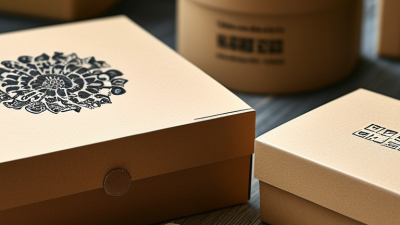
Choosing the best bespoke packaging box in China starts with the product, not decoration. In practical packaging development, kraft paper suits natural goods and lightweight shipping. Corrugated board offers stronger cushioning for longer transport. Rigid paperboard creates a premium feel for gifts, electronics, and delicate items. Molded pulp can replace plastic inserts when protection and recyclability both matter.

Design options vary widely. A mailer box uses locking folds and ships efficiently without extra wrapping. A drawer box feels more ceremonial, especially with a fabric pull tab. Magnetic closures look refined, but they add cost and may complicate recycling. Die-cut windows reveal the product, while custom inserts prevent movement inside the box. Small details matter: a 3-millimeter clearance can stop a bottle from rubbing against the inner wall.

Material selection should follow real testing. Check compression strength, drop resistance, humidity exposure, and color consistency. A coated surface may photograph beautifully, yet become slippery during handling. That weakness is easy to miss. I would also request a physical sample before approving mass production. Digital mockups cannot show fold tension, odor, or how a lid actually closes. Production tolerances deserve attention too. Even a thoughtful design may need revision after the first sample. Reliable suppliers should explain material grades, printing methods, testing results, and recyclable components clearly.

How Are Bespoke Packaging Boxes Manufactured in China?

Custom packaging in China usually begins with a detailed design brief. The buyer provides product dimensions, weight, protection needs, artwork, and target quantity. Engineers convert these details into dielines and material specifications. Common materials include coated paper, kraft board, rigid board, and corrugated layers. Each option affects strength, appearance, cost, and recyclability. A reliable supplier asks difficult questions early. Will the lid crush during transport? Can the ink stay consistent across batches?

Manufacturing often starts with material inspection and color proofing. Large sheets are printed using offset or digital methods, depending on quantity and detail. Finishes may include matte coating, foil stamping, embossing, or spot varnish. Afterward, machines cut and crease the sheets precisely. Workers fold, glue, and assemble the boxes, while quality staff check dimensions, surface defects, adhesive strength, and color differences. Production records help trace problems. Small errors matter.

The process is not flawless. A prototype may look excellent, yet a full batch can reveal warped panels or loose corners. I have seen humidity change paper behavior during storage and finishing. Experienced factories reduce these risks through conditioning rooms, sample testing, and carton drop tests. Buyers should approve a physical sample, not only a digital rendering. They should also confirm tolerances, packaging methods, inspection points, and delivery terms in writing. Clear communication prevents expensive rework, although it cannot remove every manufacturing surprise.

How Can Buyers Evaluate Chinese Packaging Suppliers?

What Are the Best Bespoke Packaging Boxes in China?

How Can Buyers Evaluate Chinese Packaging Suppliers?

A reliable evaluation starts with production evidence, not attractive catalog photos. Smithers’ industry analysis projects the global packaging market will exceed $1.2 trillion by 2028. That growth attracts capable factories and inexperienced traders. Buyers should request factory addresses, equipment lists, recent production videos, and customer-approved samples. A sample should show accurate dimensions, clean folding, stable color, and protection during stacking. Do not judge only by the first sample.

Ask suppliers for material specifications and independent test reports. These may cover paper strength, moisture resistance, ink safety, and compression performance. The ISO Survey 2023 recorded more than 1.2 million ISO 9001 certificates worldwide. Certification helps, but it does not guarantee consistent box quality. Check the certificate scope, issuing body, and renewal status. A factory audit can reveal dusty storage areas, mixed materials, or weak quality records. Small details matter.

Compare quotations using the same specification sheet. Include board grade, thickness, printing method, inserts, tooling, packaging, inspection, and shipping terms. Request a pilot order before committing to large production. Measure defect rates and delivery accuracy. Communication deserves testing, too. Does the supplier answer technical questions clearly? Can it explain a failed test without excuses? I have seen promising samples fail after humid storage. That mistake is easy to overlook. Buyers should also review corrective-action records, batch traceability, and backup material sources before approving bespoke packaging.

What Are the Best Bespoke Packaging Boxes in China? - How Can Buyers Evaluate Chinese Packaging Suppliers?

Supplier Profile Best Bespoke Box Type Typical MOQ Typical Production Lead Time Customization Capability Material Options Quality Evidence to Request Export Readiness Recommended Buyer
Premium rigid-box specialist Book-style, magnetic-closure, drawer and shoulder-neck boxes 500–1,000 units 20–35 working days after artwork approval Excellent; foil stamping, embossing, debossing, spot UV, inserts and special structures Greyboard, coated paper, textured paper, fabric, recycled paper and molded pulp inserts Pre-production sample, color proof, board thickness, adhesive test and final inspection report Usually suitable for export; confirm carton markings, palletization and moisture protection Luxury cosmetics, jewelry, spirits, electronics and premium gifts
Folding-carton converter Straight-tuck, reverse-tuck and auto-lock folding cartons 1,000–3,000 units 12–25 working days after approval High; die-cut windows, hang tabs, perforations, inserts and multiple finishes Folding boxboard, kraft board, recycled board and certified paper stocks Printed proof, color tolerance target, GSM verification, die-line approval and compression check Good for container shipping; verify food-contact or cosmetic-packaging requirements when applicable Retail products, health and beauty items, food supplements and small consumer goods
Corrugated e-commerce packaging producer Mailers, shipping boxes, die-cut mailers and protective inserts 500–2,000 units 10–20 working days after structural approval High; custom flute profiles, dividers, tear strips and self-locking structures E-flute, B-flute, BC-flute corrugated board, kraft liner and recycled liner Edge crush test, burst test, box compression test, drop test and moisture-resistance data Strong for parcel delivery; request transport-test results for fragile or heavy products Online retailers, subscription services and direct-to-consumer shipments
Small-batch digital-print supplier Short-run folding cartons, sample boxes and promotional packaging 100–500 units 5–12 working days after artwork approval Moderate to high; fast artwork changes and variable designs, with fewer finishing options Coated paperboard, kraft paperboard and standard recycled stocks Digital proof, print registration check, color sample and dimensional inspection Suitable for samples and pilot launches; confirm export carton protection for larger orders Start-ups, seasonal campaigns, product testing and limited-edition launches
Sustainable packaging manufacturer Recycled-paper boxes, molded-pulp packaging and plastic-reduced gift boxes 1,000–5,000 units 25–45 working days, depending on tooling and material availability High; natural finishes, water-based coatings, pulp forms and recyclable inserts Recycled fiber, FSC-certified paper when available, kraft board and molded fiber Material certificates, recycled-content declaration, ink and coating information, and recyclability assessment Export-capable when documentation and moisture controls are established Eco-conscious brands, retail programs and buyers with sustainability requirements
High-volume automated packaging plant Standardized folding cartons, corrugated cases and repeat-order packaging 10,000+ units 15–30 working days after tooling and artwork approval Good for repeatable designs; less economical for frequent structural changes Paperboard, corrugated board, kraft liner and standard protective materials Production capacity records, process-control plan, sampling standard, inspection reports and corrective-action records Strong for regular export programs; confirm monthly capacity and backup production arrangements Large retailers, distributors and established brands with predictable demand
Evaluation note: The ranges above are practical industry benchmarks rather than quotations from a specific supplier. Buyers should confirm the final MOQ, lead time, material specification, testing method, export documents, sample approval procedure and inspection terms in a written quotation and purchase contract.
Recommended supplier scorecard: Product quality 25%, structural and printing capability 15%, material compliance 15%, price and total landed cost 15%, lead time 10%, quality-control system 10%, communication and export documentation 10%.

What Factors Determine Custom Packaging Quality and Cost?

What Are the Best Bespoke Packaging Boxes in China?

Custom packaging quality depends on more than attractive artwork. In my experience, board selection is the first serious decision. A rigid box may use dense paperboard, while a shipping carton needs suitable flute strength. Paper weight, recycled content, moisture resistance, and surface finish affect both protection and appearance. Small details matter. A crushed corner can damage customer confidence.

Manufacturing accuracy also shapes quality. Skilled suppliers should control die-cutting, folding, gluing, and color consistency. Ask for a physical sample, not only digital images. Check whether the lid closes evenly and whether inserts hold products firmly. For fragile items, drop testing and compression testing can reveal weaknesses before mass production. Specifications should be documented clearly. Verbal promises are not enough.

Cost is influenced by materials, box dimensions, printing colors, finishing, tooling, order quantity, labor, and shipping volume. A small size change can reduce empty space and lower freight costs. However, cheaper paper may create higher return risks. My early estimates sometimes focused too heavily on unit price. That was a mistake. Packaging must be judged by total value, including protection, assembly time, storage, and waste. Quality control is not perfect every time, so factories should provide inspection records and accept reasonable corrections. Sampling, testing, and honest communication remain essential.

ICB_lOGO_2023