...

China Best Push Up Bras for Wholesale Buyers

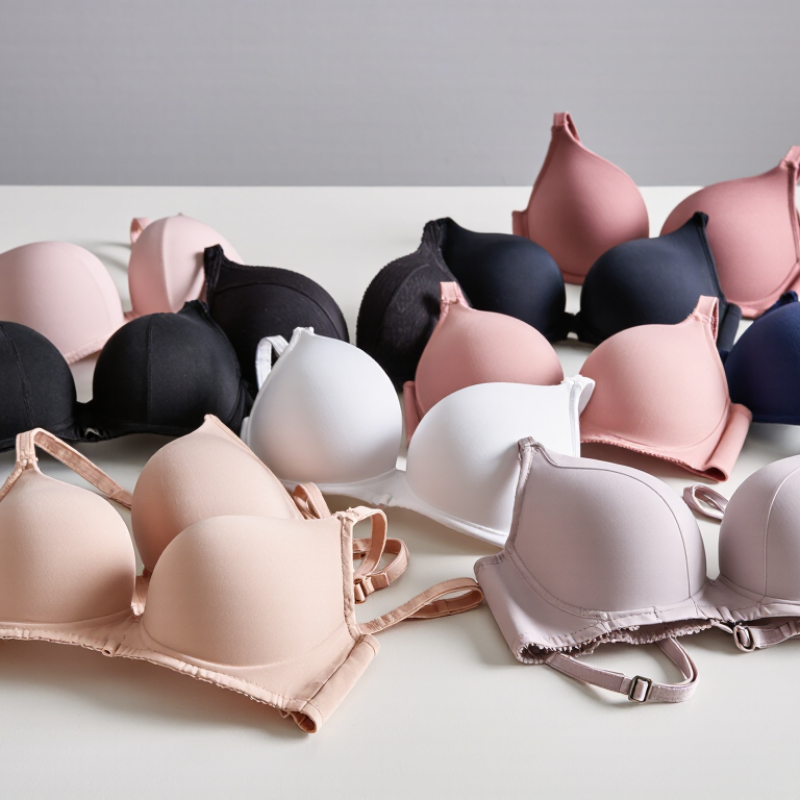
For wholesale buyers, China can offer a broad range of push-up bra styles, from lightly lined everyday designs to molded-cup models with underwire. The right choice depends on more than appearance. Buyers should compare fabric composition, cup construction, strap adjustability, closure quality, and available size grading before requesting a quotation. Small details matter.

A clear product brief helps suppliers provide comparable samples. Specify target sizes, colors, materials, packaging, and expected order quantities. Then inspect samples for seam strength, cup symmetry, hook-and-eye alignment, and how the fabric feels after washing. Ask how the supplier checks production quality and handles defects; request written specifications rather than relying on sales images alone. These checks cannot remove every risk, but they make decisions more informed.

This guide explores how wholesale buyers can assess Bras Push Up options, communicate requirements, and compare suppliers in China. It also considers practical sourcing factors such as minimum order quantities, sample timelines, customization, and shipping estimates. These details can vary by factory and order, so confirm them directly before committing. A low quoted price may look attractive, yet inconsistent sizing or delayed delivery can affect resale plans. Even an experienced buyer can miss something. Careful sampling and clear records help reduce avoidable surprises.
China Best Push Up Bras for Wholesale Buyers

What Push-Up Bras Are and How They Create Lift

A push-up bra is designed to bring the breasts slightly upward and toward the center. It often uses shaped cups, angled seams, or padding placed along the lower or outer cup. That padding redirects soft tissue rather than simply adding volume everywhere. Small changes matter. The result is a fuller-looking neckline, while the band and cup structure help keep the bra stable.

In practical fitting, the band should sit level around the ribs, and the cups should contain tissue without cutting in. If the center front floats or the straps carry most of the weight, the size or shape may be wrong. A firm lower cup can create lift, but too much padding may feel bulky under a light shirt. There is a trade-off.

For wholesale buyers, construction details deserve close review: padding symmetry, neat seams, smooth lining, and consistent sizing across a production run. Ask for samples in several sizes. Test them under different fabrics, since lace, jersey, and woven tops can reveal different edges. A useful design should lift without forcing every body into one ideal shape. Results vary.
Key Materials, Padding Types, and Construction Features

For China wholesale buyers, a push-up bra’s feel starts with its materials. Nylon or polyester microfiber can create a smooth cup surface, while elastane helps bands and wings recover after stretching. Textile Exchange’s Materials Market Report 2024 estimates global fiber production reached 124 million tonnes in 2023, with polyester accounting for 57%. This is useful context, not a bra-specific performance ranking. Ask suppliers for fiber composition and test samples after repeated washing.

Padding changes both shape and wear comfort. Removable foam inserts simplify size adjustments; fixed padding can keep the cup profile consistent. Graduated padding adds lift near the cup base, while spacer foam offers a lighter, more breathable feel. Check cup edges for visible ridges under a thin shirt. Small detail. Construction matters too: firm side wings, stable center gore, smooth seams, and adjustable straps help limit shifting. Still, heavy padding may feel warm, and no single design fits every customer.

Tips: Request samples in several cup sizes. Compare padding thickness, cup symmetry, strap slippage, and band recovery after stretching. A simple wash-and-wear check can reveal loose stitching or foam distortion. Record results by size; one sample can mislead.

Common Push-Up Bra Styles Made in China

Chinese factories commonly make several push-up bra styles for wholesale programs. Molded seamless cups create a smooth outline beneath T-shirts, while graduated foam adds volume near the lower cup. Underwire plunge styles suit lower necklines; balconette shapes offer a broader, more open neckline. Wireless versions use wider bands and shaped pads, though their lift may feel gentler. Fit tells the truth.

Grand View Research estimated the global lingerie market at USD 94.3 billion in 2022, with a 6.1% forecast CAGR for 2023–2030 (Lingerie Market Size, Share & Trends Analysis Report, 2023). This figure covers lingerie overall, not push-up bras alone. For buyers, it signals category scale, not guaranteed demand for any one silhouette. Ask suppliers for cup-size grading, foam recovery, wire-channel stitching, and wash-test records. Inspect the center gore and strap sliders in a physical sample.

A low-plunge sample may look attractive on a table, then gape when worn. That mismatch is easy to miss. Compare cup depth and pad thickness across sizes, not only in the sample size. Request colorfastness and dimensional-change results, and confirm how each test was performed. Small details matter. China’s production options are broad, but a product sheet cannot replace fit trials across varied body shapes. A first sample can still mislead; note that uncertainty before placing bulk orders.

How Wholesale Buyers Assess Fit, Quality, and Compliance

For wholesale buyers sourcing push-up bras from China, fit should be checked across the size range, not just on one sample. Compare cup coverage, padding height, wire placement, and band tension on several body forms. Straps should stay in place without digging into the shoulders. Small details matter. Ask for graded samples, since a comfortable middle size may fit poorly at either end. Fit is not perfectly predictable.

Quality checks should match how the bra will be worn and cared for. Inspect seams around the cup, hook-and-eye closures, and elastic recovery after stretching. Wash samples according to the care instructions, then check for color transfer, foam distortion, or loose stitching. A polished sample can still hide production variation, so request inspection records from a production run. One test is not enough.

Compliance needs attention before orders are confirmed. Check that fiber labels, care instructions, and packaging details match the requirements of the destination market. Request current material and testing documents, and verify that they refer to the actual product, not a similar style. Keep approved samples and written specifications for comparison. Documents can be incomplete; ask clear follow-up questions and record the answers.

How to Evaluate Chinese Suppliers, Pricing, and Order Terms

China offers many push-up bra options for wholesale buyers, but a low quote alone tells little. Compare suppliers using the same brief: fabric composition, cup padding, wire or wire-free construction, size range, and target quantity. Request a sample in a common size and inspect the stitching, strap adjustment, padding symmetry, and wash performance. Check measurements against your own fit standards. A polished sample can still conceal inconsistent bulk production.

Ask for separate pricing at several order quantities, and confirm what each quote includes: packaging, labels, sample fees, and shipping terms. Clarify the minimum order quantity, production lead time, payment schedule, and procedures for handling defects before paying a deposit. Request written specifications and a pre-production sample for approval. A vague promise of “standard quality” is not a useful quality plan. I would not assume that a factory’s first estimate covers every cost; small details can change the final landed price.

Tips: Compare quotes line by line. Keep fit comments and approved measurements in writing. If a supplier resists clear tolerances or realistic delivery dates, pause and ask why. Even with careful checks, sizing can vary between batches, so plan an incoming inspection.

China Best Push Up Bras for Wholesale Buyers - How to Evaluate Chinese Suppliers, Pricing, and Order Terms

Planning guide for wholesale sourcing. Price, MOQ, lead time, and payment terms below are indicative ranges only; actual quotations depend on materials, construction, customization, order quantity, and shipping terms. Confirm all specifications and terms in a written quotation and purchase order.

Evaluation Area Item Indicative Benchmark or Range What Buyers Should Verify
Product & Quality Product construction Molded cups, underwire or wireless designs, adjustable straps, hook-and-eye closures, and different padding levels are common options. Request a specification sheet covering fabric composition, cup construction, padding, wire type, closure, strap width, and available size range.
Fabric and component details Common materials include nylon or polyester blends with elastane; exact composition varies by style and supplier. Check fiber-content labels, lining and padding materials, color standards, trim quality, and whether substitutions require buyer approval.
Fit and size consistency Fit may vary between patterns, cup shapes, and size systems. A sample is not a substitute for reviewing the full size range. Approve a measurement chart and grading rules. Fit-test representative sizes and document tolerances before bulk production.
Quality inspection Inspection can be arranged before shipment; sampling plans and acceptance limits should be agreed in writing. Define checks for stitching, symmetry, measurements, stains, loose threads, closures, labels, packaging, and carton quantities.
Testing and compliance Testing requirements depend on the destination market, product claims, and applicable rules. Identify required tests and labeling rules for the destination country. Confirm who arranges testing, who pays, and which reports are needed.
Supplier Evaluation Supplier capability Suppliers may operate as factories, trading companies, or a combination; capabilities differ. Ask who owns or manages production, which processes are subcontracted, and whether the quoted facility can be verified.
Sampling process Development samples commonly take about 7–20 days, depending on pattern development, materials, and revisions. Confirm sample charges, shipping costs, revision limits, sample lead time, and whether approved samples will be retained as the production reference.
Communication and documentation A dependable supplier should provide clear written specifications, quotations, production updates, and packing information. Evaluate response clarity and confirm that artwork, size charts, color references, approvals, and change requests are recorded in writing.
Capacity and production control Available capacity and peak-season schedules vary by supplier and production calendar. Request a production schedule, identify critical approval dates, and ask how delays, rework, and out-of-spec goods are handled.
Pricing & Order Terms Indicative unit price Basic wholesale styles may be approximately US$3–8 per piece; more complex lace, multi-part, or customized styles may be approximately US$6–15 or more. Treat these as planning ranges, not offers. Compare like-for-like specifications and check whether the quote includes labels, packaging, testing, and tooling.
Minimum order quantity (MOQ) A common starting point may be around 300–1,000 pieces per style or color; custom fabrics and colors may require higher quantities. Ask whether MOQ applies per style, color, or size. Confirm size ratios, permitted assortment, and any small-order surcharge.
Bulk production lead time Approximately 30–60 days after sample approval and deposit is a useful planning range; material sourcing and peak periods can extend it. Confirm when the lead-time clock starts, the approval deadline, shipment-ready date, and remedies or communication steps for delays.
Payment terms A deposit with the balance due before shipment is a common arrangement; the exact percentage and timing are negotiable. State the deposit, balance trigger, payment method, currency, bank charges, and any inspection or document conditions in the contract.
Shipping & Risk Incoterms and quotation basis Quotations may be offered on EXW, FOB, or other agreed Incoterms® 2020 terms. Compare quotations on the same named place and Incoterms rule. Specify who handles export clearance, freight, insurance, and import costs.
Packaging and carton plan Packaging can include individual polybags, size labels, hangtags, and export cartons; requirements affect cost and packing volume. Approve packaging artwork, carton dimensions, units per carton, carton marks, and any destination-specific labeling before production.
Order protection Written purchase orders, approved samples, and pre-shipment inspections help reduce specification and quality disputes. Include product specifications, tolerances, delivery schedule, inspection procedure, defect handling, cancellation terms, and dispute-resolution provisions.

Article Source:

ICB_lOGO_2023