2026 Best Display Packaging Solutions for Innovative Branding?
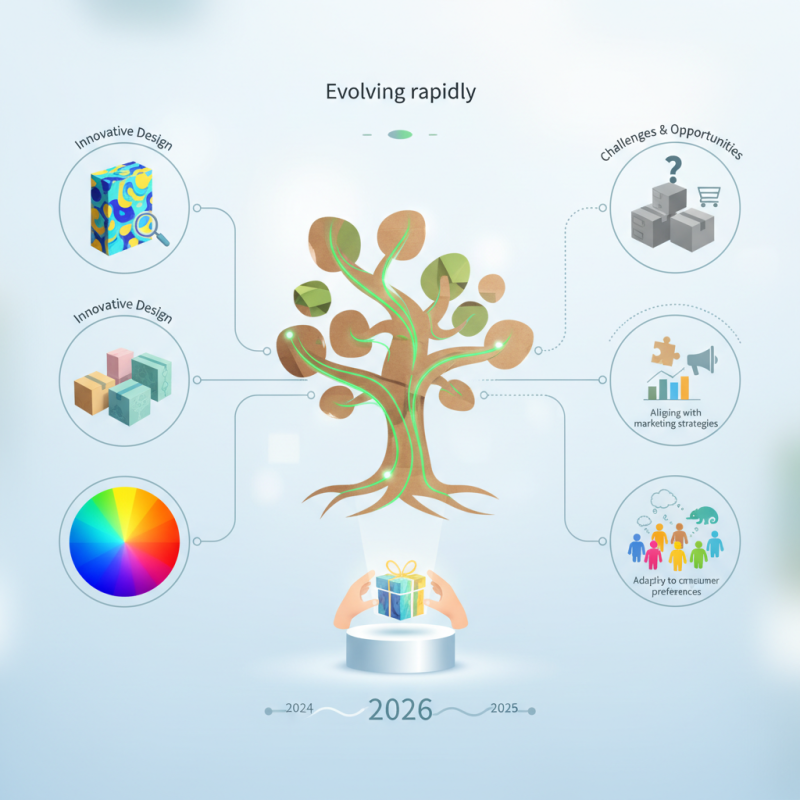
The world of display packaging is evolving rapidly, shaping how brands connect with consumers. According to packaging expert John Smith, "Display packaging is not just about protection; it's about creating an experience." This quote underscores the importance of innovative design in capturing attention and enhancing brand identity.
As we look towards 2026, the trends in display packaging reveal a diverse landscape. Brands are increasingly focusing on sustainability, using eco-friendly materials to appeal to environmentally conscious consumers. Vibrant colors, interactive elements, and unique shapes have the power to transform ordinary products into eye-catching displays on the shelves. However, many companies struggle with finding the right balance between creativity and practicality.
Reflecting on the current state of display packaging, it is clear that while advancements have been made, challenges remain. Brands often face difficulties in aligning their packaging solutions with their overall marketing strategies. There is room for improvement in how display packaging conveys messages and engages customers. Adapting to changing consumer preferences will be crucial for success in this competitive market.
Understanding the Importance of Display Packaging in Branding
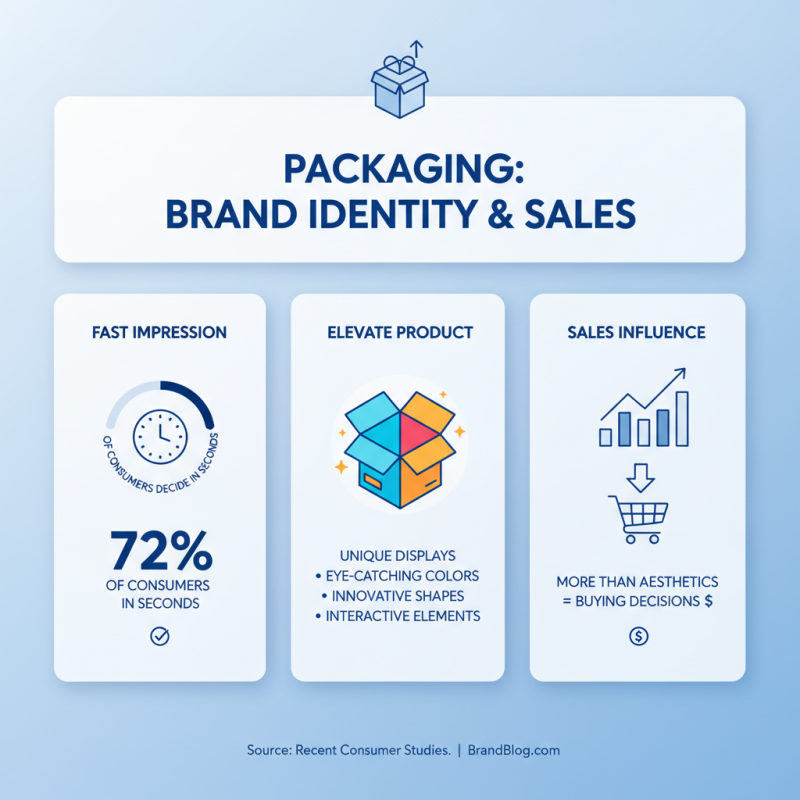
Display packaging plays a critical role in shaping a brand’s identity. Recent studies show that 72% of consumers decide within a few seconds based on packaging design. In a world filled with choices, a unique display can capture attention quickly. It can elevate a product from ordinary to extraordinary. Eye-catching colors, innovative shapes, and interactive elements attract shoppers. Brands must remember that this is not just about aesthetics; it influences purchasing decisions.
Moreover, 56% of consumers claim that packaging convinces them to purchase a product. This means brands must continuously rethink their display strategies. They might not always get it right. Focusing too much on trends can sometimes backfire. Consumers might appreciate novelty but also value simplicity. Striking the right balance is essential. Investing in sustainable materials can reflect a brand's values, yet it may come with higher costs.
Understanding the impact of effective display packaging is vital. It’s about building an emotional connection with consumers. Packaging needs to tell a story. It should resonate with the target audience while reflecting the brand’s essence. Failure to align these aspects might lead to missed opportunities. The challenge lies in innovating while remaining true to brand identity.
Key Trends in Innovative Display Packaging Solutions for 2026
As we approach 2026, innovative display
packaging solutions are set to redefine branding. The focus will shift toward
sustainable materials.
Consumers are more environmentally aware. Brands must adapt to their demands. Using
biodegradable materials can
enhance brand value. Display packaging will be a platform for storytelling. Visual
appeal matters greatly. Unique shapes and designs can capture attention quickly.
Tips: Utilize visual art in your packaging. Consider local artists
for custom designs. Engage with the community to boost your brand's image.
Another trend is personalization. Customers
love products that feel unique. They appreciate when brands understand their
preferences. Customizable packaging
can create a memorable experience. It makes the consumer feel valued. However,
ensure that personalization does not compromise sustainability. Striking a balance is essential.
Tips: Test various design elements before finalizing. Consider
feedback from loyal customers. Experiment with limited edition packaging. Monitor
which designs resonate the most. Aim for continuous improvement.
Materials and Technologies Driving Modern Display Packaging Design
Innovative display packaging is crucial for effective branding. The right materials and technologies can elevate a product's visibility. Sustainable materials are gaining popularity. Eco-friendly packaging options attract environmentally conscious consumers. These materials include recycled paper, biodegradable plastics, and plant-based options. They not only reduce waste but also enhance brand reputation.
Technology plays a vital role in modern display packaging. Digital printing allows for high-quality visuals and customization. It offers flexibility in design changes without significant costs. Smart packaging integrates QR codes or NFC technology. It creates interactive experiences for consumers. This engagement can strengthen brand loyalty and encourage purchases.
Tips: Choose materials that reflect your brand values. Consider simplicity in design to convey your message clearly. Testing different technologies can lead to unexpected insights. Reflect on the packaging experience you create. How does it resonate with your audience?
Case Studies of Successful Brands Using Display Packaging Effectively
Display packaging is a powerful tool for branding.
Innovative designs can catch the eye and create engagement. Successful brands understand the role of
display packaging in their overall strategy. They don’t just
focus on aesthetics; functionality matters too.
For example, consider a brand that created a pop-up display. It attracted customer attention with
vibrant colors and unique shapes. When people saw it, they wanted to learn more.
This display also provided useful information, making it easy to understand the product. The layout guided customers naturally,
increasing the chances of purchase.
Tips: Keep designs simple yet engaging. Use
bold colors but ensure they align with your brand.
Don’t overcomplicate messaging; clarity is crucial.
Experiment with various shapes. Reflect on past designs. Not every display
works perfectly. Learn from what didn’t resonate with your audience. This approach
leads to continuous improvement and better results.
Future Considerations for Sustainable and Eco-Friendly Display Packaging
As we move towards 2026, the demand for sustainable packaging solutions is increasing. Brands seek to balance aesthetics with eco-friendliness. Consumers favor products that align with their values. Display packaging plays a key role in this transition. Designers are exploring biodegradable materials and recyclable options. Using plant-based inks is a small but essential step.
However, the industry still faces challenges. Not all innovations are perfect. Some sustainable materials may not offer the desired durability. Brands must carefully evaluate trade-offs between appearance and environmental impact. Testing new materials is crucial. Not every concept will succeed, but persistence is vital.
Innovation in display packaging requires creativity and responsibility. It's not just about how products look on shelves. It's about the message they send. Consumers want transparency. They increasingly demand that brands show their commitment to the planet. This evolving landscape presents opportunities for those willing to think outside the box. Embracing sustainability can lead to powerful brand connections.

 Skip to content