The Best Eave Lighting Ideas for Your Home in 2026?
Eave Lighting is an essential feature for enhancing the aesthetic and safety of homes. In recent years, outdoor lighting has gained considerable attention. The U.S. outdoor lighting market is projected to reach $5 billion by 2026, largely driven by the demand for innovative designs. Eave lighting not only provides illumination but also adds character to a home’s facade.
Innovative eave lighting ideas are evolving, blending functionality with art. Homeowners increasingly seek energy-efficient options that retain visual appeal. For instance, LED lights are becoming a popular choice due to their longevity and low energy consumption. Incorporating smart technology can provide automated control for users, but this raises concerns over security and reliability.
However, not all designs suit every home. Some homeowners might find the installation challenging. Additionally, the variety of options can be overwhelming, leading to choices that clash with a home’s style. Striking the right balance between aesthetics and practicality is crucial. This guide will explore the best eave lighting ideas for 2026, ensuring homeowners navigate the possibilities effectively.
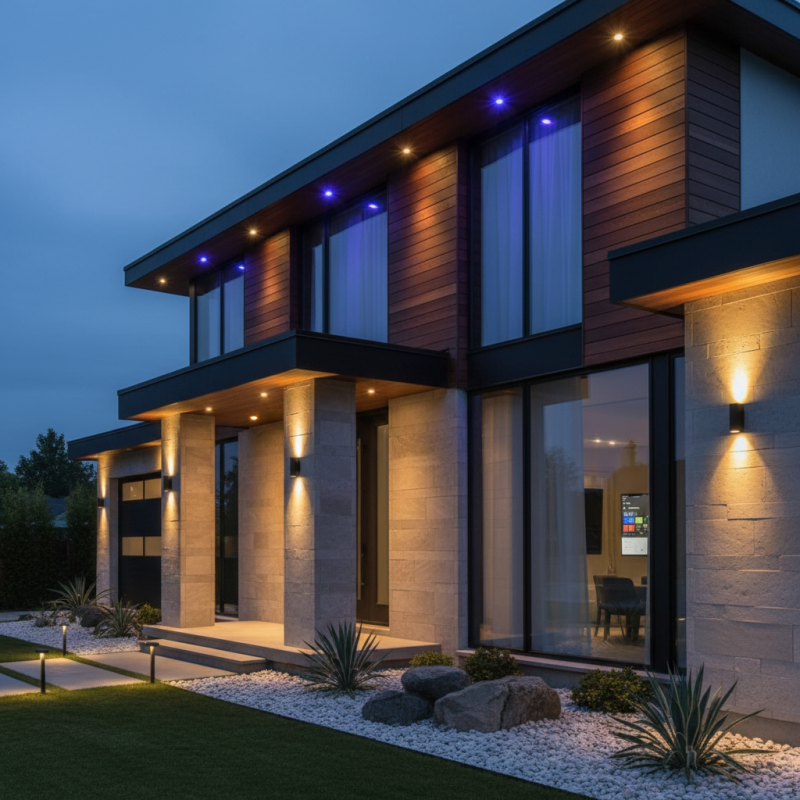
Innovative Eave Lighting Designs for Modern Homes in 2026
Eave lighting is transforming modern homes in 2026. This year's designs prioritize both aesthetics and functionality. Homeowners crave unique looks that create inviting outdoor spaces. One innovative approach is using LED strip lighting along the edges of eaves. This method provides a sleek and modern vibe. The light is soft but direct, enhancing architectural features.
Another design trend includes lantern-style fixtures. These bring a warm, traditional feel while offering contemporary efficiency. Consider fixtures that incorporate natural materials like wood or metal. They blend seamlessly with various home styles. Mixed-material designs add character and depth, making eaves a focal point.
However, challenges do arise. Some homeowners struggle with placement. Too much light can overwhelm, while too little can render the space dull. Finding the right intensity requires careful consideration. Regular maintenance is necessary to keep fixtures clean and functional. Eave lighting should enhance your home's beauty, not detract from it.
The Best Eave Lighting Ideas for Your Home in 2026
| Lighting Type | Style | Voltage | Installation Type | Average Cost ($) | Lumens (Brightness) |
| LED Strip Lights | Modern | 12V | Plug-in | 50 | 600 |
| Recessed Can Lights | Contemporary | 120V | Hardwired | 75 | 800 |
| Outdoor Wall Sconces | Rustic | 120V | Hardwired | 100 | 1000 |
| String Lights | Fairy | 120V | Plug-in | 30 | 300 |
| Post Lanterns | Traditional | 120V | Hardwired | 150 | 1200 |
Essential Considerations for Choosing Eave Lighting Fixtures
When choosing eave lighting fixtures, consider the style of your home. The lights should blend seamlessly with your exterior. They don’t have to be identical, but cohesion is key. Think about color and material. A rustic home pairs well with warm, vintage-style lights. A modern home often looks best with sleek, minimalist designs.
Functionality is another critical aspect to think about. Determine the primary purpose of your eave lights. Are they for ambiance? Or do you need illumination for safety? Light placement matters too. Avoid dark spots and ensure even lighting. Experiment with different heights. Sometimes, what seems perfect might not shine right.
Also, energy efficiency is worth considering. LED options are popular and often last longer. They save money on energy bills. However, their light quality varies. It’s essential to assess how they look in the nighttime landscape. Finally, don't forget about weather resistance. The lights must withstand local elements. Without proper durability, your choice might need replacing sooner than expected.
Popular Materials and Technologies for Eave Lighting Solutions
When it comes to eave lighting, material choice is crucial. Consider aluminum fixtures. They are lightweight and resistant to corrosion. This durability makes them suitable for outdoor environments. Another attractive option is wood. It gives a warm, rustic feel, but requires more maintenance. Regular treatment is essential to prevent rot. Balance aesthetics and practicality in your choice.
LED technology continues to shine in popularity. LED lights are energy-efficient and long-lasting. They offer a range of colors for creative effects. However, not all LED options are waterproof. Researching specifications is vital to avoid early failures. Integrating smart controls can enhance convenience. Dimming and scheduling features create a pleasant ambiance.
Consider using solar-powered lights if electrical work is an issue. They harness sunlight to work effectively at night. Positioning is critical; they need sunlight during the day. Battery performance can vary, leading to potential dark spots. Reflect on your local climate before making this choice. Overall, the right material and technology can brighten your eaves beautifully.
Creative Placement Strategies for Optimal Eave Lighting Effects
Eave lighting can transform your home's exterior, highlighting architectural features and enhancing security. Try placing lights under the eaves to create a warm glow that increases visibility. This placement can also accentuate the roofline, making your home feel taller and more inviting.
Consider using an array of fixtures. String lights can provide a relaxed vibe, while spotlights draw attention to specific areas. Positioning these lights at varying heights adds depth to the lighting scheme. Experiment with angles to minimize harsh shadows and maximize warmth. The right combination can create a welcoming atmosphere, but too many lights might overwhelm the space.
Reflect on color temperature as well. Warmer tones create charm, while cooler tones offer a modern feel. Mixing these can be effective but may require adjustments to achieve harmony. Watching how shadows dance at dusk is key. Take your time to find a balance that works for your aesthetic, and accept that it may take several tries to perfect your design.
Sustainable and Energy-Efficient Eave Lighting Options for Homeowners
As homeowners look for sustainable solutions, eave lighting becomes essential. The shift toward energy-efficient options is gaining momentum. Recent reports indicate that LED lights use at least 75% less energy than traditional incandescent bulbs. This significant drop in consumption directly reduces electricity bills and environmental impact.
Consider solar-powered fixtures for eave lighting. They absorb sunlight during the day and illuminate at night. Homeowners can expect a decrease in energy usage. Solar lights can be less reliable in areas with limited sunlight. However, the benefits often outweigh these concerns. They eliminate costly wiring and installation fees, making them an attractive choice.
Another innovative option involves smart lighting systems. These systems adjust automatically based on available natural light. A 2022 study showed that homes using smart technology can reduce energy use by up to 30%. Despite the initial investment, homeowners save long-term. Yet, technology can be daunting, requiring users to adapt. Understanding the technology is critical for effective use.

 Skip to content