2026 Best Food Packaging Trends Innovations and Sustainability?
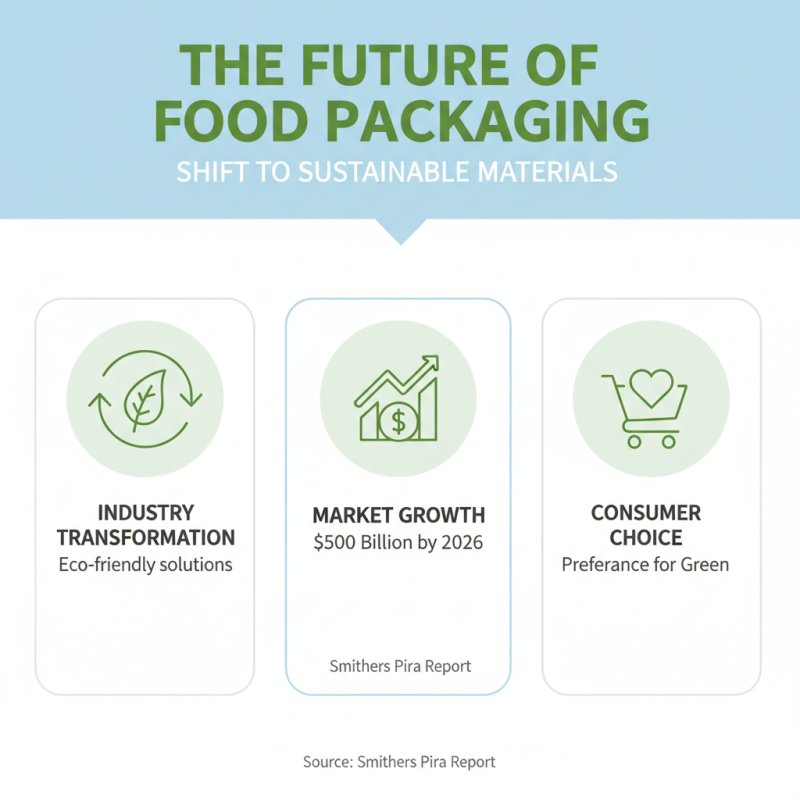
In recent years, food packaging has evolved significantly, focusing on sustainability. According to a report from the Smithers Group, the global food packaging market is set to reach $500 billion by 2026. This growth reflects the increasing demand for eco-friendly solutions. However, challenges remain, particularly in balancing cost and innovation.
Experts like Dr. Emily Chen, a noted food packaging specialist, emphasize the importance of sustainable materials. She states, “The future of food packaging lies in combining functionality with environmental responsibility.” Innovations such as biodegradable films and reusable containers are gaining momentum. Yet, consumers still express concerns about the effectiveness of these alternatives.
While the strides made in food packaging are commendable, there is a need for more robust solutions. Plastic waste continues to threaten our ecosystems. The discrepancy between consumer awareness and actual sustainable practices must be addressed. Exploring these complexities reveals a critical need for the industry to adapt continuously.

Impact of Sustainable Materials in Food Packaging Innovations
The food packaging industry is transforming. Sustainable materials are becoming pivotal in this shift. According to a recent report by Smithers Pira, the sustainable packaging market is projected to reach $500 billion by 2026. This growth is not just numbers; it reflects changing consumer preferences for eco-friendly solutions.
Biodegradable and recyclable materials are gaining traction. For example, plant-based plastics are a popular choice among manufacturers. These alternatives break down more easily than traditional plastics. However, they often still face challenges in industrial composting facilities. Not every region has the infrastructure to support them. This inconsistency needs addressing.
Educating consumers on proper disposal methods is also essential. Many individuals unknowingly throw away materials that could be composted. In fact, 30% of packaging waste is still sent to landfills, highlighting a significant gap. There is a clear opportunity for brands to engage in this discussion. As they innovate in packaging, they must also lead in consumer education.
Emerging Technologies Driving Food Packaging Solutions in 2026
The food packaging industry is rapidly evolving.
Emerging technologies are at the forefront of this transformation.
Innovations in materials and processes are shaping how we think about food safety and
sustainability.
Biodegradable plastics
are becoming more mainstream. These materials break down more easily in the environment, which is a
positive step. However, they still present challenges in recycling.
Smart packaging is gaining traction as well. Packaging that monitors
freshness and quality can reduce food waste significantly. For example, sensors embedded in packaging can
alert consumers when food is no longer safe to eat. This technology promises a more efficient supply chain.
Yet, not all smart packaging is feasible for widespread use. High costs and complexity may hinder
its full implementation.
Sustainability remains a key focus. Brands are pressured to reduce plastic use and embrace eco-friendly options.
However, the transition can be slow and difficult. There is often a trade-off between cost and
sustainability. Not every innovation is cost-effective for smaller producers. This aspect will require
deeper reflection as the industry moves forward.
Trends in Consumer Preferences for Eco-Friendly Packaging Options
Consumer preferences are shifting rapidly toward eco-friendly packaging options. Many are now seeking products with minimal environmental impact. The rise of sustainable materials is evidence of this change. Consumers increasingly prefer packaging made from recyclable, biodegradable, or compostable materials. This trend reflects a larger awareness of environmental issues and climate change.
However, not all brands have adapted swiftly enough. Some continue using traditional plastics, which consumers are now rejecting. This gap creates an opportunity for innovation in food packaging. Businesses must invest in research and development. They should explore new materials that can meet these environmental expectations. The challenge lies in balancing cost and sustainability without compromising product safety.
The role of transparency is vital as well. Consumers demand to know the origin of packaging materials. They appreciate brands that share their sustainability journey. Yet, there are still companies struggling to communicate their efforts effectively. Misleading claims can damage trust. Brands must focus on authentic practices while listening to consumer feedback. The path to sustainable packaging is complex, yet it is crucial for a healthier planet.
2026 Best Food Packaging Trends Innovations and Sustainability
| Trend |
Description |
Sustainability Aspect |
Consumer Preference |
| Biodegradable Materials |
Packaging made from natural substances that break down over time. |
Reduced landfill waste and lower environmental impact. |
Increasing preference among eco-conscious consumers. |
| Minimalist Packaging |
Simplified designs that use less material while maintaining functionality. |
Less resource usage in production and transport. |
Gaining traction with consumers valuing simplicity and transparency. |
| Edible Packaging |
Packaging made from food-grade material that can be eaten along with the product. |
Eliminates waste entirely by being consumable. |
Appealing to adventurous consumers seeking unique experiences. |
| Reusable Containers |
Containers designed for multiple uses, encouraging consumers to repurpose them. |
Reduces single-use plastic waste. |
High demand among environmentally aware consumers. |
| Smart Packaging Technology |
Integration of technology for tracking freshness and safety. |
Minimizes food waste through better visibility of product condition. |
Increasing interest particularly among tech-savvy consumers. |
Regulatory Influences on Sustainable Food Packaging Practices
The regulation of sustainable food packaging is evolving rapidly. According to a recent report, over 60% of consumers prefer packaging that is eco-friendly. This demand puts pressure on companies to adopt sustainable practices. Government policies play a crucial role in this transition. Many countries are implementing regulations that encourage or require companies to reduce plastic use.
Looking at these regulatory influences, we notice a significant shift. In 2022, European Union regulations aimed to reduce single-use plastics significantly impacted the market. Companies faced challenges in adapting to these changes. Some struggled to find suitable alternatives that meet both performance and sustainability criteria. Data suggests that while many companies want to comply, the financial burden can be a roadblock.
Moreover, the inconsistency in regulations across regions complicates matters. Mixed guidelines can create confusion for businesses attempting to navigate sustainable packaging solutions. Innovative startups often thrive in this environment, pushing boundaries. However, larger organizations may lag behind, caught up in uncertainty. This reality prompts continual reflection on the effectiveness of current policies and their true impact on sustainable practices.
2026 Best Food Packaging Trends Innovations and Sustainability
Case Studies of Successful Sustainable Food Packaging Implementations
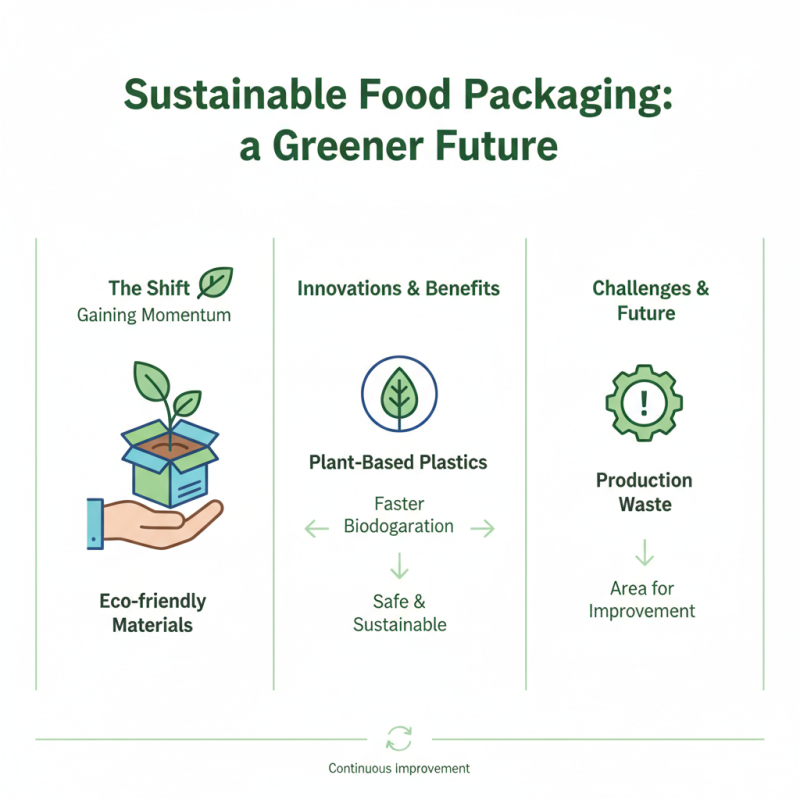
Sustainable food packaging is gaining momentum. Many companies are innovating with eco-friendly materials. For example, some businesses use plant-based plastics. These materials break down faster than traditional plastic. They are not only sustainable but also safe for consumers. However, some challenges remain. The production process can still generate waste. That's an area needing improvement.
In recent case studies, companies have implemented successful changes. One business shifted to biodegradable wrappers. This decision boosted their brand image significantly. However, not all efforts have been flawless. Some packaging fails to provide adequate protection, leading to food spoilage. It's crucial to balance sustainability with functionality.
**Tip:** Evaluate material sourcing thoroughly. Ensure that suppliers meet environmental standards. It's essential to maintain quality in the transition to greener packaging. **Tip:** Test different designs before full implementation. A small pilot project can highlight potential flaws. Learn from feedback and refine your approach.

 Skip to content