What is the Best Impact of Apparel Boxes on Branding?
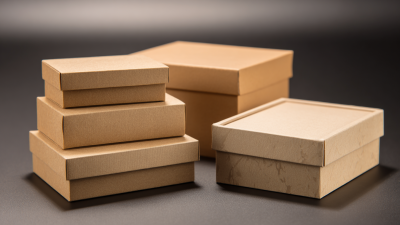
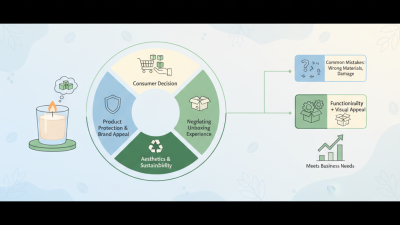
The impact of apparel boxes on branding is profound and multifaceted. Apparel boxes serve as more than just packaging; they are a statement of a brand’s identity. Quality design and materials can enhance customer perception. Brands invest in creating unique apparel boxes to stand out in a crowded market. A visually appealing box can leave a lasting impression.
Many consumers recall their unboxing experiences. These moments can evoke emotions and foster brand loyalty. A well-designed apparel box can convey messages of sustainability and quality. Customers appreciate the effort put into packaging, which reflects on the products inside. However, not all brands prioritize this aspect, which can lead to missed opportunities.
Yet, there are challenges in creating impactful apparel boxes. Brands must balance cost and design. Not every design choice resonates with all audiences. Sometimes, what seems innovative may not appeal widely. As brands evolve, they need to continuously reassess their packaging strategies. Finding the right balance is key to maximizing branding potential.
The Role of Apparel Boxes in Enhancing Brand Identity
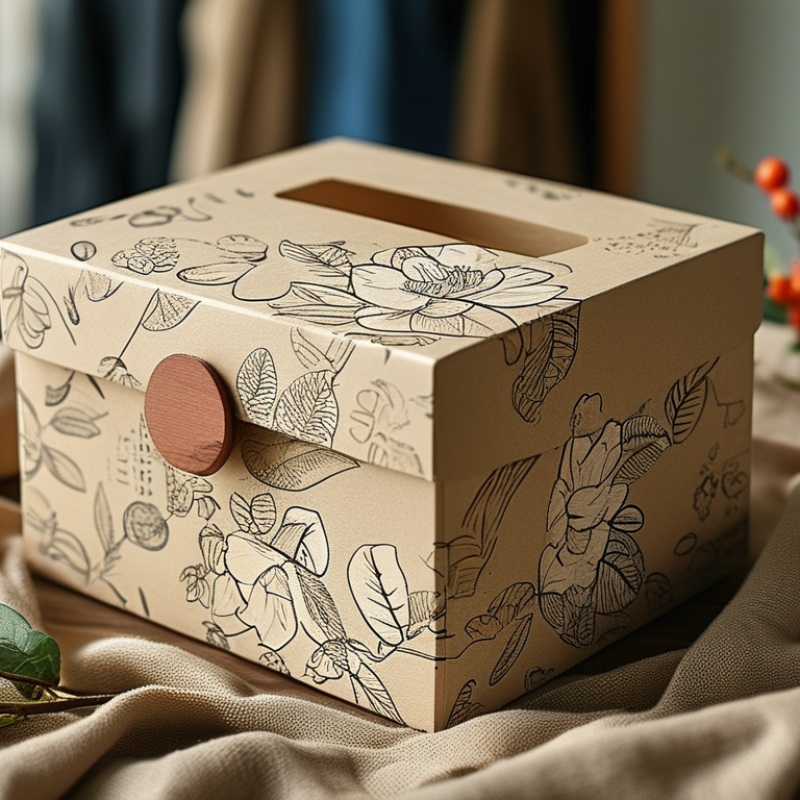
In the competitive world of fashion, apparel boxes play a crucial role in brand identity. They serve as the first point of contact between a consumer and a brand. A well-designed box can create excitement and anticipation. It communicates the brand's values and aesthetics at first glance. This visual and tactile experience enhances the overall consumer journey.
Brand identity is more than just a logo. It’s about evoking emotions and building connections. Apparel boxes allow brands to tell their story. Unique design elements, colors, and materials can reflect the brand's mission. Custom packaging can also help differentiate a brand from its competitors. When a customer sees a beautifully packaged item, it elevates their perception of the brand. This can lead to repeat purchases and customer loyalty.
Tips: Choose colors that resonate with your brand story. Think about eco-friendly materials, as sustainability is increasingly important to consumers. Remember, the packaging can be part of the product itself. A simple change in design can renew customer interest. Keep iterating and seeking feedback. Always reflect on how your packaging communicates to your audience.
How Custom Packaging Design Influences Consumer Perception
Custom packaging design plays a crucial role in shaping consumer perception.
Research shows that over 72% of consumers view packaging as a key factor when making buying decisions.
Well-designed apparel boxes not only protect products but also create an emotional connection with the customer.
This emotional bond can significantly influence brand loyalty, making consumers more likely to return.
Moreover, distinctive packaging can enhance brand recognition. A report from the Packaging Association indicates that visually appealing designs can increase brand recall by up to 50%.
Consumers often remember unique designs, which can drive word-of-mouth referrals. However, some brands struggle with consistency in their custom packaging,
leading to confusion among customers. If the packaging does not align with the brand’s message, it can damage trust.
Additionally, sustainable packaging options are becoming increasingly important.
Approximately 60% of consumers prefer brands using eco-friendly materials. Yet, not all apparel brands have adapted to this trend.
Failure to acknowledge consumer preferences for sustainability can result in lost sales.
Brands need to reflect and innovate in their packaging strategies to meet evolving consumer expectations.
The Psychological Impact of Color and Material in Apparel Boxes
Color and material play crucial roles in the design of apparel boxes. They not only protect products but also create a memorable brand experience. The right color choices can evoke emotions and influence purchasing decisions. For example, blue often signifies trust, while red can stimulate excitement. Brands need to consider their target audience when selecting colors. A youthful brand may lean towards vibrant hues, while a luxury brand might choose more muted, elegant options.
Materials also contribute significantly to the psychological impact of apparel boxes. Eco-friendly materials appeal to environmentally conscious consumers. However, not every brand prioritizes sustainable practices. This raises questions about authenticity. It's essential for brands to ensure that their materials align with their values. Using high-quality materials can enhance the perceived value of the product. Yet, brands must balance aesthetics with cost. These decisions influence how consumers view the brand, leading to deeper reflections on brand identity and trustworthiness.
Case Studies: Successful Brands Using Apparel Boxes for Branding
Apparel boxes serve as a powerful marketing tool for many brands. A study published in the Journal of Marketing found that 70% of consumers form opinions about a brand based on packaging alone. High-quality boxes can create a memorable unboxing experience. This experience can enhance customer loyalty and encourage repeat purchases. Many successful brands use this strategy. They focus on unique designs that effectively communicate their brand message.
For example, one brand reported a 30% increase in customer engagement after revamping their apparel boxes. Creative graphics and sustainable materials were key factors in their redesign. Custom packaging not only reflects brand values but also engages customers emotionally. This emotional connection can lead to positive word-of-mouth marketing.
However, not all brands implement this strategy effectively. Some companies choose generic designs that fail to stand out. In a crowded market, such choices can lead to a lack of differentiation. It’s essential for brands to regularly reassess their packaging strategies. Continuous improvement and innovation in packaging can significantly enhance their branding efforts. Engaging storytelling through apparel boxes can create a lasting impact on consumer perception.
Sustainability Trends in Apparel Packaging and Their Brand Impact
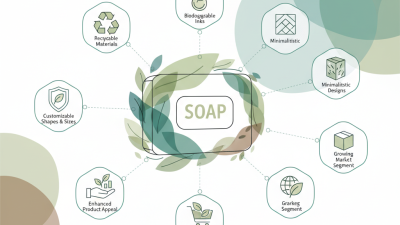
Sustainability in fashion is reshaping how brands approach their packaging. Recent surveys indicate that over 70% of consumers prefer brands that showcase eco-friendly practices. Sustainable apparel packaging, such as recyclable or biodegradable materials, significantly enhances brand image. When brands commit to sustainability, they tap into a growing market segment that values environmental responsibility.
A 2021 report from McKinsey highlights that brands using sustainable packaging experience a 10-15% increase in consumer trust. This trend reveals that customers are willing to pay more for responsibly packaged products. However, implementation can be challenging. Many brands struggle to balance aesthetics and sustainability, which can lead to missed opportunities. It’s vital that these brands educate consumers about the efficacy of their materials.
Tips: Focus on transparency. Clearly communicate the benefits of using sustainable packaging. Engage consumers with informative content about your packaging choices. Collaborate with suppliers who prioritize eco-friendly practices. This partnership can solidify your commitment to sustainability. Use social media to showcase your sustainable packaging practices. Authentic engagement can help build stronger connections with consumers.

 Skip to content