Best Insulated Bento Lunch Box at China Import Export Fair?
The upcoming China Import Export Fair offers a unique opportunity for buyers to discover the best Insulated Bento Lunch Box options. This event, held from April 15 to May 5, 2026, includes various industries such as advanced manufacturing and quality home goods. The introduction of AI technology will enhance the experience, allowing for efficient vendor searches based on certifications like ISO and CE.
As attendees explore the 1.55 million square meters of exhibit space, the insulated bento lunch box stands out. Its design captures attention. The vibrant colors and unique patterns make it appealing. However, not all products meet high standards. Some may lack true insulation, leading to temperature issues. This requires buyers to scrutinize quality carefully.
Finding the right insulated bento lunch box involves more than just aesthetics. Buyers need to consider durability and functionality. Will the product keep food fresh throughout the day? Is it easy to clean? These details are crucial yet often overlooked. Reflecting on these aspects can lead to better purchasing decisions at the fair.
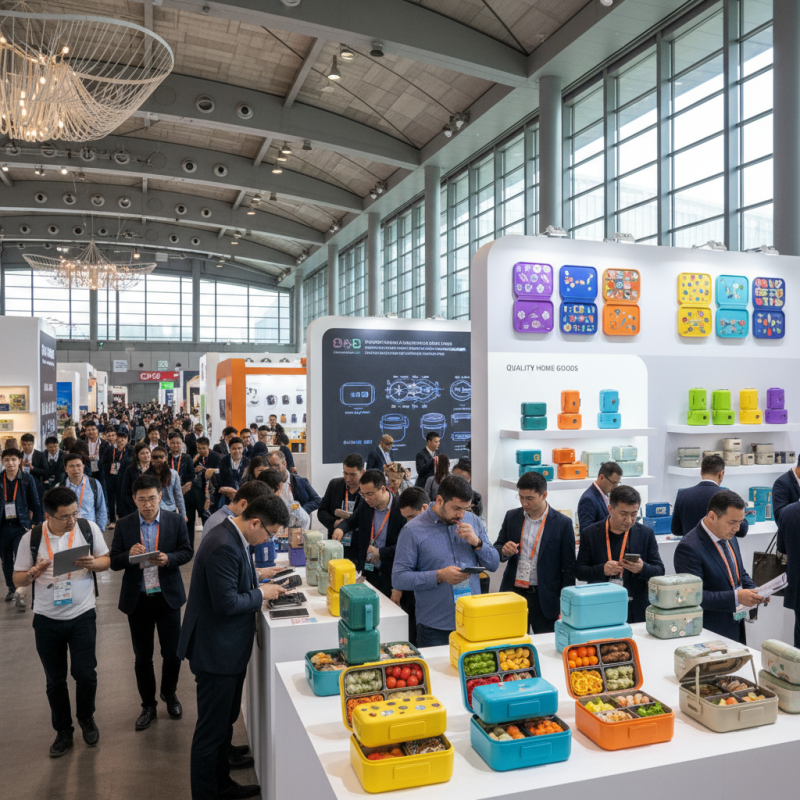
Overview of Insulated Bento Lunch Boxes
Insulated bento lunch boxes have gained popularity for their convenience and functionality. These boxes are perfect for keeping food hot or cold for several hours. A good insulated box allows you to pack a balanced meal and enjoy it fresh, even hours later.
When selecting an insulated bento box, consider the material. Stainless steel and high-quality plastic are common choices. Stainless steel can be more durable and better at maintaining temperature. However, plastic options are generally lighter and easier to clean.
Tips: Always check if the bento box is leak-proof. You want to prevent spills in your bag. Look for compartments that keep food separate and fresh. This feature helps maintain textures and flavors.
Not every insulated bento box is perfect for everyone. Some may find certain designs difficult to open. Others might wish for more color options. Reflecting on what you need in a lunch box is crucial. Think about your daily routine and meal preferences.
Key Features to Look for in Insulated Lunch Boxes
When selecting an insulated bento lunch box, several key features should be considered. Insulation performance is crucial. A well-insulated lunch box can keep food hot or cold for extended periods. According to a 2022 industry report, high-quality insulated lunch boxes can maintain temperatures for up to 8 hours. This feature is vital for those who need their meals to stay fresh throughout the day.
Material quality plays an important role as well. Stainless steel models are more durable compared to plastic alternatives. They resist stains and odors, making them ideal for various food types. The market shows that 65% of consumers prefer stainless steel for its longevity and lack of chemical leach. Moreover, a secure lid and leak-proof design are essential. Nobody wants a lunch box that spills in their bag. It's often overlooked, yet vital.
Size and portability matter too. A bulky lunch box may not fit in a standard backpack. Research indicates that 70% of users seek compact designs that are easy to carry. Finding the perfect balance of size and capacity can be a challenge. Many options exist, but personal needs vary greatly. Reflecting on specific requirements can lead to a better choice. Did you consider your daily routine?
Top Brands Showcasing at China Import Export Fair
At the China Import Export Fair, top brands are showcasing their latest innovations in insulated bento lunch boxes. The growing trend in eco-friendly packaging and reusable food containers reflects changing consumer preferences. Recent market reports indicate that the insulated lunch box market is projected to grow at a compound annual growth rate (CAGR) of 8.5% from 2021 to 2026. This presents a significant opportunity for manufacturers and retailers alike.
Brands at the fair are emphasizing design, functionality, and sustainability. Many products feature BPA-free materials and advanced insulation technologies. However, there are still challenges regarding the durability and long-term effectiveness of some models. While consumers look for stylish options, practicality must not be overlooked. A popular tip is to choose lunch boxes that are both microwave and dishwasher safe to facilitate ease of use and cleaning.
As the demand for insulated lunch boxes continues to rise, companies must remain vigilant about quality control. Aesthetics should not overshadow the user experience. Some products fall short on insulation performance or ease of sealing. It's crucial for brands to gather consumer feedback consistently. This step can lead to better product iterations in the future. Remember, a well-designed lunch box should balance style, usability, and longevity.
Comparative Analysis of Insulated Bento Lunch Boxes
When evaluating insulated bento lunch boxes, it's essential to consider various factors. Insulation effectiveness plays a crucial role in maintaining food temperature. A recent market report highlights that over 70% of consumers prioritize temperature retention. This indicates that insulated containers must perform well throughout the day, especially in fluctuating temperatures.
Material choice is another significant aspect. Many insulated bento boxes are made from stainless steel or BPA-free plastic. A study found that stainless steel options keep food warm for up to six hours. However, plastic containers tend to be lighter and more portable, making them preferable for daily commutes. Each material comes with its pros and cons, requiring careful thought before purchase.
Durability is often overlooked but can lead to future regrets. Many products claim to be sturdy, yet some may show wear within months. Testing the strength of hinges and latches can prevent disappointment. Comfort in handling is just as vital, as a bulky box might deter regular use. Finding the right balance between functionality and design can be a challenging journey.
Sustainability and Materials Used in Bento Lunch Boxes
Sustainability is a pressing concern in the lunch box industry. Recent studies show that over 300 million plastic lunch boxes are discarded each year. This issue highlights the need for eco-friendly alternatives. Insulated bento lunch boxes are stepping up to this environmental challenge. Reusable and durable, they offer a practical solution to minimize waste.
Many manufacturers are shifting towards sustainable materials. Stainless steel, bamboo, and silicone are becoming popular choices. These materials not only reduce reliance on plastics but also ensure longevity. A significant report states that stainless steel can be up to 100% recyclable. However, sourcing these materials often involves high energy consumption and complex logistics. It's critical to evaluate the entire lifecycle of these products.
Despite advancements, the industry still faces hurdles. Many bento lunch boxes are still made from mixed materials. This complicates recycling efforts. There’s also a need for improved designs that consider functionality and sustainability. As demand grows, brands must prioritize transparency in sourcing. Consumers are becoming increasingly aware and want to know how their products impact the planet.
Best Insulated Bento Lunch Box Materials and Sustainability
 Skip to content