How to Choose the Best Packaging Boxes for Your Business Needs in 2025
In the ever-evolving landscape of retail and e-commerce, the choice of packaging boxes has become a crucial factor for businesses looking to enhance their operational efficiency and customer satisfaction. According to a recent report by Smithers Pira, the global demand for packaging is projected to reach over $450 billion by 2025, with the e-commerce sector driving a substantial portion of this growth. This emphasizes the importance of selecting the right packaging solutions that not only protect the product but also align with the brand’s sustainability goals and consumer preferences.
As businesses navigate the complexities of supply chain management, the selection of appropriate packaging boxes emerges as a pivotal decision. With evolving consumer expectations, a survey conducted by Packaging Strategies revealed that nearly 70% of customers consider packaging to be an essential aspect of their purchase decision. Consequently, the right packaging boxes can significantly influence brand loyalty and perceived product value, making it imperative for companies to evaluate their packaging strategy with precision.
In 2025, businesses must consider multiple factors in choosing packaging boxes, including material sustainability, cost-effectiveness, and design innovation. As the market continues to prioritize eco-friendly solutions, companies that adapt their packaging choices to meet these demands are likely to gain a competitive edge. Understanding these trends will enable businesses to make informed decisions that not only protect their products but also resonate with environmentally conscious consumers.

Identification of Packaging Box Types Based on Material and Usage
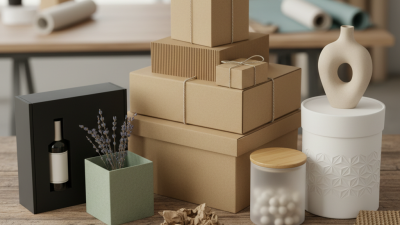
When choosing the best packaging boxes for your business needs in 2025, it’s crucial to identify the various types of packaging based on material and usage. Packaging boxes come in several materials, including cardboard, corrugated fiberboard, plastic, and biodegradable options. Each material serves distinct purposes and offers different levels of protection, sustainability, and cost-effectiveness. For instance, cardboard boxes are lightweight and recyclable, making them ideal for retail and e-commerce businesses looking for cost-efficient solutions. On the other hand, corrugated boxes provide better protection due to their structure, making them suitable for shipping fragile items.
Moreover, the intended usage of the packaging box plays a critical role in the selection process. If your products require additional protection during transit, consider options like padded or reinforced boxes. For businesses focusing on eco-friendliness, biodegradable packaging materials offer a sustainable alternative while appealing to environmentally conscious consumers. It's also essential to think about factors such as the box's size, design, and printing possibilities, as these elements can enhance branding efforts and improve customer engagement. By carefully evaluating the types of packaging based on material and usage, businesses can make informed decisions that align with their operational goals and sustainability commitments in 2025.
How to Choose the Best Packaging Boxes for Your Business Needs in 2025
| Type of Packaging Box |
Material |
Usage |
Sustainability |
Cost Range (USD) |
| Corrugated Boxes |
Cardboard |
Shipping, Storage |
Recyclable |
$1 - $5 |
| Rigid Boxes |
Paperboard |
Gift Packaging, Premium Products |
Partially Recyclable |
$2 - $10 |
| Flexible Packaging |
Plastic, Foil |
Food Packaging, Snacks |
Not Easily Recyclable |
$0.10 - $2 |
| Mailing Tubes |
Cardboard |
Posters, Documents |
Recyclable |
$1 - $4 |
| Eco-Friendly Boxes |
Biodegradable Materials |
Sustainable Products |
Fully Biodegradable |
$3 - $7 |
Understanding the Importance of Eco-Friendly Packaging Solutions
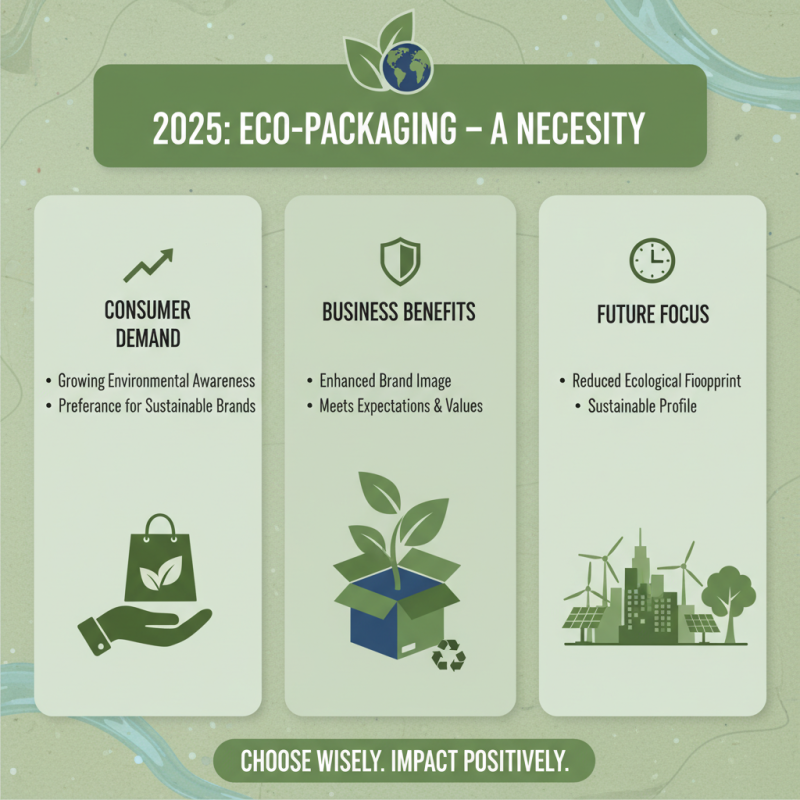
In 2025, eco-friendly packaging solutions will not only be a trend but a necessity for businesses keen on maintaining a sustainable profile. As consumers become increasingly aware of environmental issues, the demand for packaging that minimizes ecological footprints is rising. Choosing the right eco-friendly packaging can significantly enhance your brand's image, showcasing your commitment to sustainability while meeting consumer expectations.
To effectively incorporate eco-friendly packaging into your business, consider the following tips: first, prioritize materials that are biodegradable or recyclable. This can include options like corrugated cardboard, recycled paper, or plant-based plastics. Second, reduce packaging waste by designing boxes that fit your products precisely, which can lower shipping costs and minimize the use of raw materials. Lastly, explore options for using ink and adhesives that are non-toxic and environmentally friendly. This comprehensive approach not only aids in maintaining an eco-conscious brand identity but also aligns with the growing consumer push towards greener choices.
Moreover, the use of sustainable packaging can enhance your overall marketing strategy. Consumers are more likely to engage with brands that reflect their values, and promoting your eco-friendly initiatives can help build loyalty. Sharing your packaging story on social media and through other marketing channels can create a connection with your audience and demonstrate your active role in supporting the planet.
Analysis of Market Trends in Packaging Design for 2025
As we move into 2025, the landscape of packaging design continues to evolve, driven by consumer preferences and environmental considerations. One of the most significant trends is the increasing emphasis on sustainability. Businesses are increasingly opting for eco-friendly materials that reduce environmental impact, such as biodegradable plastics and recycled paper. This shift is not only crucial for meeting regulatory standards but also enhances brand reputation among environmentally conscious consumers. The use of minimalistic designs further complements this trend, as brands aim to convey their commitment to sustainability through packaging that is both functional and visually appealing.
Additionally, the use of advanced technology in packaging design is on the rise. Smart packaging solutions incorporating QR codes and NFC chips are becoming more common, providing consumers with interactive experiences and additional product information. This trend caters to a tech-savvy audience eager for transparency and engagement. Furthermore, customization in packaging is gaining traction, allowing businesses to differentiate themselves in a competitive market. Personalized pack designs enhance customer connection and loyalty, aligning with the increasing demand for unique and thoughtful shopping experiences. These market trends indicate a promising future for innovative packaging solutions that serve both aesthetic and practical needs.
Evaluating Cost-Effectiveness of Custom Packaging Options
When selecting packaging boxes for your business, understanding the cost-effectiveness of custom packaging options is crucial. According to a report by Smithers Pira, the global market for custom packaging is projected to reach $450 billion by 2025, highlighting the growing importance of tailored solutions. Custom packaging not only enhances brand visibility but can also contribute to operational savings. For instance, using appropriately sized boxes reduces shipping costs and material waste, aligning with sustainability goals while boosting your bottom line.
In evaluating the cost-effectiveness of custom boxes, it’s essential to factor in both upfront and long-term costs. A study from the Paper and Packaging Board indicates that businesses that invest in custom packaging see a 20-30% increase in customer retention rates. This heightened loyalty can offset initial expenses as customers are often willing to pay a premium for products that arrive in visually appealing and well-protected packaging. Additionally, considering the advancements in digital printing technology allows businesses to produce smaller runs of custom boxes without prohibitive costs, further enhancing their ability to respond to market trends swiftly and efficiently.
Impact of Packaging on Consumer Behavior and Brand Perception
The impact of packaging on consumer behavior is profound and multifaceted. Packaging serves as the first point of contact between a product and a potential buyer, making it a critical factor in shaping perceptions. Consumers often associate strong packaging with high quality, leading them to form instantaneous judgments about the product inside. A well-designed package can evoke specific emotions, create a sense of urgency, or convey brand values, which enhances the likelihood of purchase.
The visual appeal, texture, and functionality of packaging can heavily influence consumers’ decisions, guiding them towards or away from products on a crowded shelf.
Moreover, packaging significantly contributes to brand perception. In a marketplace saturated with options, distinctive packaging can differentiate a product and foster brand loyalty. Elements such as color, typography, and images not only reflect the brand identity but also communicate its story and values to consumers. Sustainable packaging, for instance, can appeal to eco-conscious shoppers, reinforcing a positive brand image. In 2025, as consumer awareness of environmental issues continues to rise, brands will need to prioritize sustainable packaging solutions to attract and retain customers. Ultimately, how a product is packaged can create lasting impressions that compel consumers to choose one brand over another.
 Skip to content