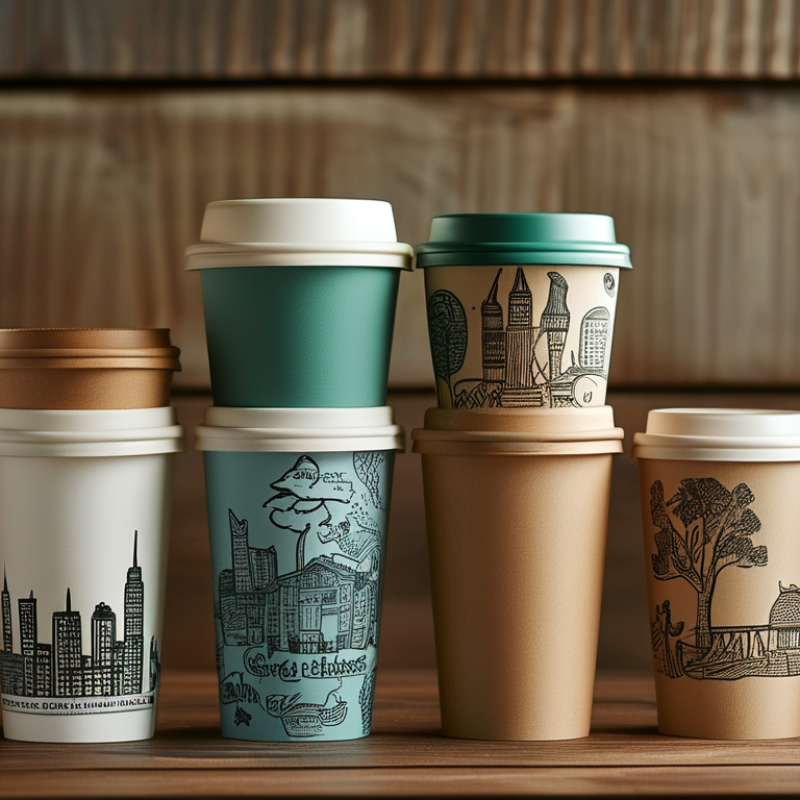
Best Paper Cup Options for Your Business Needs?
When it comes to choosing the best paper cup options for your business, it's vital to consider various factors. Laura Johnson, a leading expert in the paper cup industry, emphasizes, “Not all paper cups are created equal.” Her insight reflects the importance of quality and sustainability in today's market.
The paper cup sector is evolving rapidly. Businesses face pressure to adopt environmentally friendly practices. However, not every supplier adheres to these standards. Many companies still use cups that harm the planet. It’s crucial to research and select cups that align with your values.
Investing in the right paper cup can enhance your brand image. High-quality cups impress customers and convey professionalism. Yet, not all options might meet your needs perfectly. Some may offer better insulation, while others focus on design. Understanding these nuances can lead to better choices for your business.
Best Paper Cup Options for Your Business Needs
In today's environmentally conscious market, selecting the right paper cup is essential for business success. Recent reports indicate that paper cups make up a significant portion of the global disposable cup market, a market expected to grow from $5 billion in 2023 to $8 billion by 2030. This growth indicates a shift towards more sustainable options. Businesses need cups that are not only eco-friendly but also durable and functional.
When choosing paper cups, consider their sourcing and manufacturing processes. Opt for cups made from recycled paper or sourced from sustainably managed forests. Additionally, ensure that the cups are lined with biodegradable materials, as standard plastic linings can compromise their eco-friendliness. A study from the Paper and Paperboard Packaging Environmental Council highlights that over 80% of paper cups are recyclable but often end up in landfills due to improper disposal.
Tips: Assess your cup's design for its intended use. Lightweight cups are ideal for cold beverages, while insulated varieties serve better for hot drinks. Investing in quality cups can reduce the chances of leaks or spills, enhancing the customer experience. Always remain mindful of local recycling capabilities, as not every facility can process all types of paper products. This consideration can influence your choice significantly.
Overview of Paper Cup Types: Single-Wall, Double-Wall, and PLA-Coated
When choosing paper cups for your business, understanding the types available is crucial. Single-wall paper cups are lightweight and cost-effective. They are ideal for cold beverages. However, they may not hold up well for hot drinks. Research indicates that around 30% of consumers dislike the heat from hot beverages in single-wall cups.
Double-wall paper cups address this issue. They feature an insulating layer, which keeps beverages hot without burning fingers. Industry data shows that about 45% of customers prefer these cups for their coffee or tea. They also have a more premium feel, enhancing brand perception. On the downside, they are often more expensive than single-wall options, which can impact budget considerations.
PLA-coated paper cups are an eco-friendly choice. They are made from renewable resources and are compostable. According to a recent study, more than 50% of businesses are looking to reduce their environmental footprint. While these cups are better for the planet, their availability can be limited. This can pose challenges for businesses aiming for sustainability. Understanding these nuances is key to making informed decisions about your paper cup needs.
Key Industry Statistics: Global Paper Cup Market Growth Projections
The global paper cup market is on a remarkable upward trajectory. Reports indicate steady growth, driven by increasing consumer demand for sustainable packaging. In recent years, businesses have shifted towards eco-friendly options, making paper cups a popular choice. The market is projected to grow by several percentage points annually. This trend reflects a wider movement towards environmental consciousness.
Despite this growth, not all paper cup manufacturers are created equal. Businesses must consider material quality and design functionality. Some cups may not meet necessary standards for insulation or durability. This can lead to customer dissatisfaction and wasted resources. The choice of material also affects recyclability, a key factor in consumer preferences.
Stakeholders must stay informed about industry statistics. Awareness of market trends can shape strategic decisions. Companies should evaluate their suppliers and ensure compliance with environmental regulations. Understanding the dynamics of the paper cup market is essential for sustainable growth. The potential pitfalls can be detrimental if not carefully navigated, reminding businesses of the importance of informed choices.
Environmental Impact: Recyclability and Compostability of Paper Cups
When selecting paper cups for your business, consider their environmental impact. Recyclability and compostability are key factors in reducing waste. Many paper cups are lined with plastic, complicating their recycling. Look for options made from sustainably sourced materials. They ensure minimal harm to the environment while serving your needs.
Tips for selecting paper cups: Always ask suppliers about the cup’s material. Verify if they offer compostable products. Some cups decompose within months, leaving no toxic residue. This is a vital aspect for any environmentally conscious business.
It’s important to reflect on your choices. Sometimes, cost-effective options may not align with sustainability goals. Balancing budget and eco-friendliness can be challenging. Encourage your team to think creatively about packaging. Seek solutions that promote a greener image while staying functional. Making informed decisions today will benefit the planet tomorrow.
Environmental Impact of Paper Cups
Cost Analysis: Comparing Prices of Different Paper Cup Options
When it comes to selecting paper cups for your business, cost is a key factor. Different options exist, each with varying price points. Standard paper cups are often the most economical choice. They are widely available and suited for everyday use. However, if you require special features, like double-walled construction, be prepared to pay a premium. These cups offer better insulation, keeping beverages hot or cold longer.
Eco-friendly options are becoming increasingly popular. While they may carry a higher upfront cost, they can enhance your brand's reputation. Customers appreciate businesses that prioritize sustainability. It's essential to compare the long-term benefits of eco-friendly cups against the initial expenditure.
Analyzing cost should involve looking beyond price tags. Durability, usability, and customer appeal matter as well. A low-cost cup that spills may turn away customers. Evaluating suppliers helps ensure you get quality products. Balancing costs with functionality is crucial for informed decisions. Reflect on what matters most to your customers and your business goals.
Best Paper Cup Options for Your Business Needs
| Cup Type | Capacity (oz) | Material | Average Cost per 100 Cups | Eco-Friendly Options |
| Single Wall Cup | 12 | Paper | $18.00 | No |
| Double Wall Cup | 12 | Paper | $24.00 | Yes |
| Hot Cup | 16 | Paper | $20.00 | No |
| Cold Cup | 16 | Paper | $22.50 | No |
| Biodegradable Cup | 12 | PLA Lined | $30.00 | Yes |
Conclusion
When choosing the best paper cup options for your business, it's essential to understand the different types available, including single-wall, double-wall, and PLA-coated cups. Each type offers varying insulation properties and environmental benefits, which are crucial for meeting customer preferences. The global market for paper cups is expected to grow significantly, reflecting an increasing demand for eco-friendly alternatives in the food and beverage industry.
Environmental considerations also play a key role, with a focus on the recyclability and compostability of paper cups. As businesses look to reduce their ecological footprint, these factors become critical in decision-making. A thorough cost analysis reveals price variations among different paper cup options, allowing businesses to find cost-effective solutions without compromising quality. Additionally, customization opportunities for branding on paper cups present valuable marketing prospects, enabling companies to reinforce their identity while serving customers.
 Skip to content