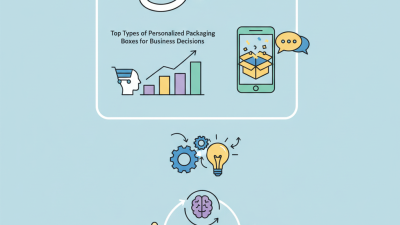
The demand for personalized packaging boxes is on the rise in China. According to a recent report by Smith & Co., the market for customized packaging is expected to reach $15 billion by 2025. This growth reflects a shift in consumer preferences towards unique and tailored packaging solutions.
Experts emphasize the importance of personalized packaging. “Customization enhances brand loyalty and customer experience,” says Mark Johnson, an industry expert. His words highlight a crucial point—consumers today seek more than just a product; they desire an emotional connection through packaging.
The challenge lies in balancing creativity and functionality. Brands must ensure that personalized packaging boxes are not only appealing but also protect the product inside. Achieving this balance may require experimentation and a willingness to adapt. Companies can no longer rely solely on standard designs. They must push boundaries to meet evolving consumer expectations.
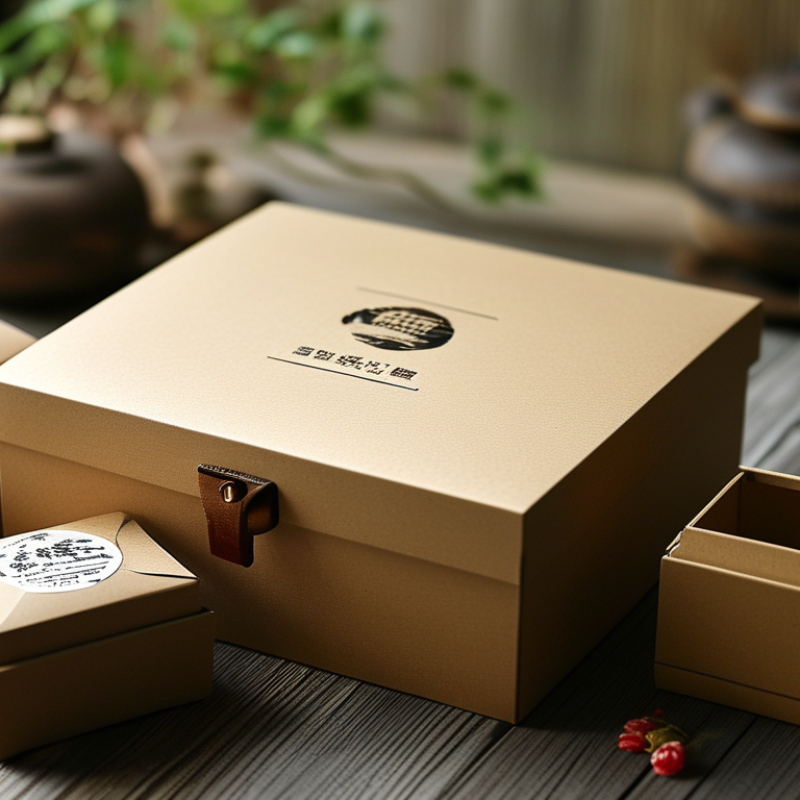
The evolution of personalized packaging in China has been remarkable. Brands are focusing on creating unique experiences. Custom packaging is no longer just a trend; it's a necessity. This change is driven by consumer demand for individuality.
Innovations have emerged in materials and designs. Eco-friendly options are gaining traction. Many companies now use recyclable materials to attract conscious consumers. Digital printing technology makes it easier to customize designs. As a result, brands can quickly adapt to market needs. The rise of e-commerce also boosts demand for personalized boxes. Shoppers want their purchases to feel special, impacting their overall experience.
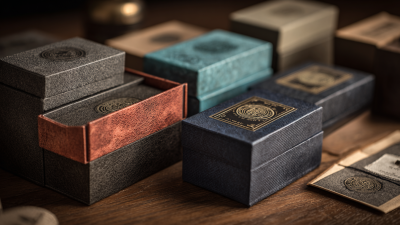
Tips: Consider how your packaging reflects your brand identity. Small details can have a big impact. Think about adding personal touches, like handwritten notes. Use sustainable materials to appeal to eco-conscious consumers. A good package can tell a story that resonates with buyers. However, there’s a risk of overcomplicating designs. Balance creativity with clarity. Make sure your message is still visible and understandable. This is vital for effective branding.
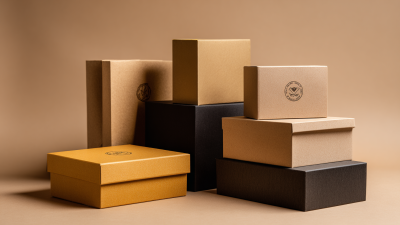
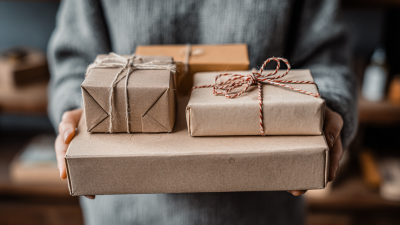
The rise of personalized packaging boxes in China is revolutionary. Consumers are seeking unique designs that resonate with their preferences. This trend reflects a shift from generic packaging to custom solutions that enhance brand identity. Personalized packaging creates a memorable unboxing experience, which can lead to increased customer loyalty.
Market analysis reveals a significant growth trajectory in this sector. Businesses are embracing customization to stand out in a crowded marketplace. However, challenges persist. Some companies struggle to find reliable suppliers for high-quality materials. Others face difficulties in managing production timelines. These hurdles need addressing to fully capitalize on the benefits of personalized packaging.
Consumer preferences evolve rapidly. Staying ahead is crucial for companies wanting to succeed. Brands must dedicate resources to research and development. Innovative designs can capture attention and generate buzz. Yet, businesses must also consider sustainability. Balancing creativity with eco-friendly practices is essential for long-term viability in the market.
The demand for personalized packaging boxes has surged in recent years. One key to their success lies in the materials used. Companies are increasingly turning to sustainable options to meet consumer expectations. Cardboard, paper, and biodegradable plastics are popular for their eco-friendly properties. These materials reduce environmental impact while providing durability.
Sustainability is not just a trend; it's essential. Consumers today are more conscious of their choices. They seek packaging that tells a story—one of care for the planet. Durable materials protect contents while ensuring the box remains intact during shipping. It's crucial to find a balance between aesthetics and functionality.
However, the challenge lies in sourcing these materials. Not all suppliers offer the same quality. Some may claim sustainability without delivering. The market is rife with options, and navigating it can be overwhelming. Businesses must do their due diligence. They must ensure that their packaging aligns with their brand values and truly supports sustainability initiatives. This reflection can strengthen their authenticity and connection with customers.
Consumer preferences are shifting dramatically towards personalized packaging. Research shows that 72% of consumers are more likely to purchase a product if the packaging is customized. Personalization adds a unique touch that can differentiate a brand in a crowded market. Factors like aesthetic appeal and emotional connection play significant roles in this trend.
Additionally, personalized packaging can enhance the unboxing experience. A study by Smithers Pira indicates that 55% of consumers share unboxing experiences on social media. This further amplifies brand visibility and engagement. Brands can leverage this by creating aesthetically pleasing designs that spark interest. Yet, it's essential to note that over-promising on packaging quality can lead to disappointment if expectations aren't met.
Tips:
1. Use high-quality materials that match the brand image.
2. Ensure the design resonates with target audiences to create that emotional connection.
3. Regularly gather customer feedback to refine packaging options.
Tracking these preferences can help brands stay ahead. Understanding customer desires is vital for creating effective personalized packaging.
The personalized packaging industry in China has seen remarkable growth in recent years. Many manufacturers have stepped up their game, offering innovative solutions to cater to diverse client needs. These companies focus on customization, enabling businesses to create unique packaging that reflects their brand identity. This trend has attracted small and large enterprises alike, fueling competition.
Several manufacturers stand out in this crowded market. They employ advanced printing technology and sustainable materials to ensure high quality and environmental responsibility. Yet, not every manufacturer meets the same standards. Some struggle with consistency in product quality. Clients should be vigilant and conduct thorough research to gauge a manufacturer’s reputation. Consider visiting factories or studying customer reviews as part of your selection process.
China's personalized packaging landscape is continuously evolving. New players enter the market, while established companies innovate. However, this environment presents challenges. The rapid pace of change can lead to oversights in quality control or customer service. Clients should remain proactive in their partnerships, ensuring that they choose manufacturers who prioritize both creativity and reliability.