Best Roof Floor Drain Options for Global Buyers?
In the world of construction and drainage solutions, choosing the right Roof Floor Drain is essential. John Thompson, a leading expert in drainage systems, once stated, "A well-chosen drain can prevent future issues and enhance longevity." This insight underscores the significance of selecting suitable options tailored to different environments and needs.
Global buyers face unique challenges in selecting the best Roof Floor Drain. Factors such as material, design, and installation processes vary widely across regions. Understanding these nuances is crucial to making informed decisions. For instance, some drain types may work better in high rainfall areas, while others excel in arid climates.
Despite advancements, mistakes can occur. For example, improper installation can lead to water pooling and flooding. This reinforces the need for experts who can guide buyers through their choices and ensure optimal performance. A reliable Roof Floor Drain is not just about functionality; it reflects a commitment to quality and durability in construction projects.
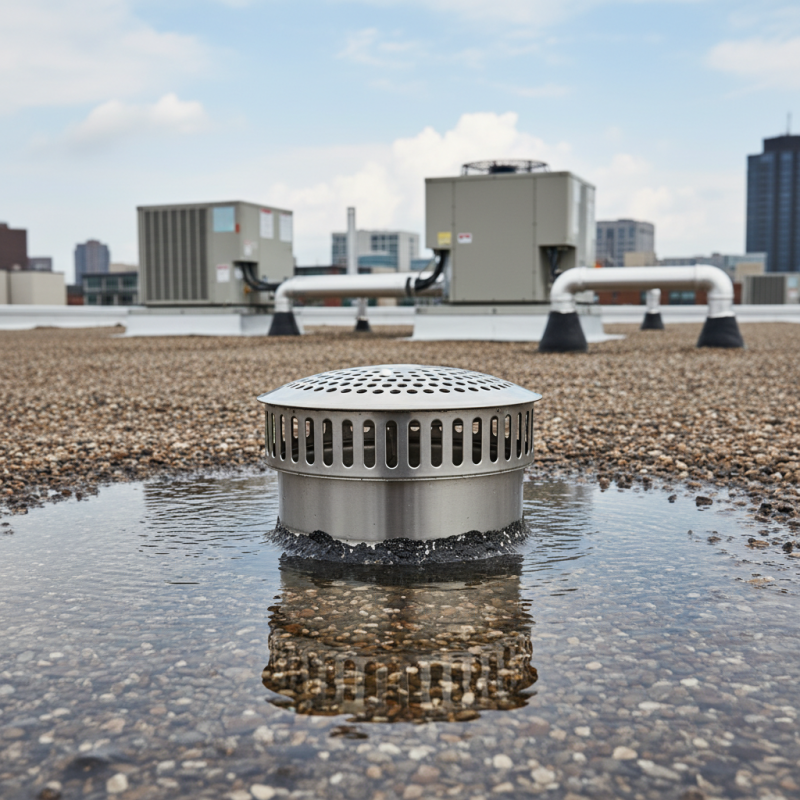
Understanding the Importance of Roof Floor Drains for Commercial Properties
Roof floor drains are critical for commercial properties. They efficiently manage excess rainfall, preventing water accumulation on roofs. A report by the American Society of Civil Engineers states that inadequate drainage can cause structural damage. This is a significant risk for properties, leading to costly repairs.
The placement of roof drains is essential. According to industry analyses, proper drain positioning can reduce water pooling by 30%. This decrease is crucial for maintaining the integrity of roofing systems. However, many property owners overlook the importance of regular maintenance. Clogged drains can lead to leaks and even promote mold growth.
Selecting the right drain model is also vital. Options vary widely, influencing drainage effectiveness. Recent studies highlight that some designs may not suit particular roof architectures. Property managers must assess their specific needs carefully. Regular evaluations can save money in the long run. Understanding these dynamics fosters better decision-making in commercial property management.
Types of Roof Floor Drains Available in the Global Market
When it comes to roof floor drains, understanding the different types available can greatly influence your choice. The global market offers various options, including inline drains, trench drains, and point drains. Each type has its specific applications and benefits. According to recent industry reports, inline drains are ideal for larger commercial spaces, while trench drains are often used in areas prone to heavy rainfall.
Inline drains typically feature a long channel that effectively collects water from the roof surface. They are designed to handle significant flow rates, making them valuable for buildings with expansive flat roofs. However, installation can be complex, requiring precise engineering to ensure proper drainage. On the other hand, point drains are compact and easy to install. They work well for smaller areas but may not efficiently handle larger volumes of water.
Trench drains, while highly effective, often demand more maintenance. They can become clogged with debris over time, leading to potential flooding issues. Regular inspections and cleaning are necessary to maintain functionality. Each option presents unique challenges that require thoughtful consideration. Selecting the right type of roof floor drain depends on specific building needs and environmental conditions.
Key Factors to Consider When Choosing Roof Floor Drains
When choosing roof floor drains, several key factors play a crucial role in ensuring functionality and longevity. First, material selection is vital. Stainless steel and PVC are popular for their durability. Stainless steel offers strength against harsh weather, while PVC is lightweight and resistant to corrosion. Balance your needs with the climate in your area.
Think about the drain's size and flow rate. A properly sized drain handles water overflow efficiently. Evaluate the drainage capacity based on typical rainfall in your region. It’s important to avoid bottlenecks that could cause water pooling on the roof.
Tips: Regular maintenance can prevent clogs. Clean debris regularly to ensure proper water flow. Consider installing a mesh screen to catch larger items. Don't overlook future flexibility. Choose options that allow for easy replacement or upgrades as your building evolves. These considerations help ensure that your roof floor drains remain effective and reliable over time.
Best Roof Floor Drain Options for Global Buyers
Top Brands and Manufacturers of Roof Floor Drains Worldwide
When it comes to roof floor drains, choosing the right brand can significantly impact performance. Industry reports indicate that quality drainage systems reduce water accumulation and potential damage to roof structures. The market has seen a rise in innovative designs that prioritize both functionality and durability. Professional builders often highlight the importance of materials used in drain construction, such as stainless steel and PVC, due to their resistance to corrosion and longevity.
In a survey conducted by the International Drainage Association, over 70% of contractors recommended specific brands based on their reliability. Drainage efficacy is often linked to the design; for instance, larger openings can handle more water, minimizing flooding risks. It is also essential to match the drain specifications to local weather conditions, as heavy rainfall areas require more robust solutions.
Tips: Always consult with experts before making a purchase. Consider the installation environment and possible maintenance needs. Regular inspections can prevent blockages, ensuring the system functions efficiently. Remember, not every drain suits every roof type; a mismatch could lead to costly repairs. It’s important to reflect on user reviews and product performance data to make an informed decision.
Maintenance Tips for Ensuring Longevity of Roof Floor Drains
Proper maintenance of roof floor drains is essential for their longevity. Regular cleaning helps prevent clogs. Debris, leaves, and dirt can accumulate and hinder drainage. It’s wise to inspect drains frequently, especially after storms. Remove any visible obstructions to keep water flowing freely.
Another tip is to check for signs of leaks or damage. Look for rust, corrosion, or cracks around the drainage area. Addressing these issues early can save money. It ensures your roof remains safe and effective. Using a cover can also protect drains from falling debris. This simple measure can extend the lifespan of your drainage system.
Additionally, ensure that the drainage system is properly sloped. A flat surface can lead to standing water. Inspect the slope regularly. If you notice any issues, consult a professional. They can provide solutions tailored to your needs. Keeping a log of maintenance activities can also help track the condition of your drains. This practice encourages proactive care rather than reactive fixes. Regular checks contribute to optimal functionality and longevity.

 Skip to content