2026 Best Wholesale Sports Goods for Resale Opportunities?
The market for Wholesale sports goods for resale continues to expand. According to a recent report by Research and Markets, the global sports equipment market is projected to reach $200 billion by 2026. This growth is driven by increasing health awareness and a rising interest in fitness activities. As consumers seek high-quality sports goods, resellers have a prime opportunity to capitalize on this trend.
Wholesale sports goods offer competitive pricing, enabling resellers to build profitable ventures. In 2023, the resale market for sports items is valued at $17 billion, showcasing the potential to attract discerning customers. However, identifying the right products remains a challenge. With countless options available, resellers must carefully evaluate inventory quality and market demand.
Navigating the wholesale sports goods landscape requires expertise. It's crucial to understand customer preferences and seasonal trends. While opportunities abound, not all products will sell successfully. Resellers must remain adaptable and reflective, learning from market shifts and consumer feedback to optimize their strategies. Engaging with reliable suppliers ensures access to premium inventory, fostering a trustworthy resale business.
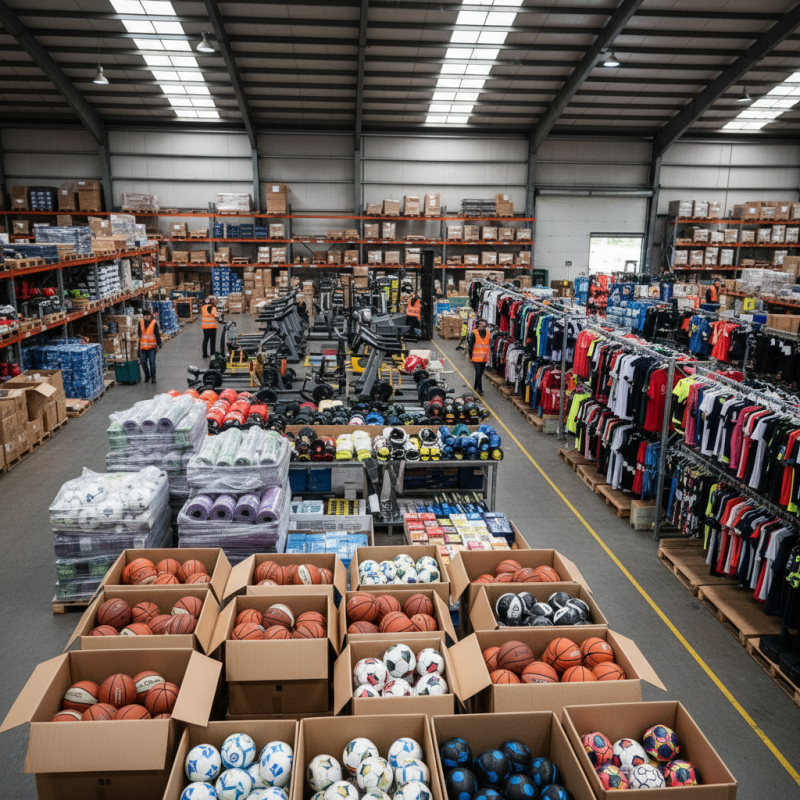
Wholesale Sports Goods Overview for Resale Opportunities
When exploring wholesale sports goods for resale, it's essential to understand current market trends. The sports industry evolves quickly, and staying informed can lead to success. Popular items include fitness equipment, athletic apparel, and team sports gear. Each category appeals to different consumer segments, affecting your inventory choices.
Resale opportunities often hinge on understanding customer needs. Targeting local sports teams or fitness enthusiasts can provide a steady market. However, competition is fierce. It’s crucial to analyze what local stores lack. This requires market research and observing customer preferences. Establishing reliable supplier relationships is vital, but don’t overlook the need for flexibility in your offerings.
Finding the right balance can be challenging. You might discover that certain items sell well one season but falter the next. Monitoring sales data and adjusting your inventory based on trends will help refine your approach. While it’s tempting to stock popular items, consider adding unique products that can set you apart. It’s about building a brand that resonates with your audience while ensuring profitability.
2026 Best Wholesale Sports Goods for Resale Opportunities
| Product Category | Average Wholesale Price | Potential Retail Price | Profit Margin (%) | Market Demand (1-10) |
| Basketballs | $10 | $25 | 60% | 8 |
| Soccer Balls | $8 | $20 | 60% | 7 |
| Tennis Rackets | $20 | $45 | 55% | 6 |
| Yoga Mats | 15 | $30 | 50% | 9 |
| Cycling Helmets | 25 | $60 | 58% | 8 |
Top Trending Sports Goods in 2026 for Retailers
As we look to 2026, sports goods continue to evolve, presenting unique resale opportunities for retailers. Fitness trackers and smart apparel are trending, appealing to consumers seeking both performance and style. These products seamlessly blend technology with everyday wear, enhancing the user experience. Retailers should consider the growing interest in eco-friendly materials. Sustainable sports gear is not just a trend; it's a necessity for many consumers today.
The demand for home fitness equipment remains strong. Resistance bands and compact weights are particularly popular among those working out at home. Accessibility and versatility are key selling points. Online fitness classes are driving this trend, pushing retailers to adapt their inventory accordingly. However, spotting quality items can be challenging. Retailers must engage in thorough research to ensure reliability and performance.
Additionally, niche sports categories are gaining traction, such as pickleball and disc golf. These sports attract younger demographics eager to explore alternatives to traditional offerings. Retailers venturing into these markets should remain mindful of seasonal trends and local preferences. Staying updated on consumer feedback is essential. It can reveal strengths and weaknesses in product lines, allowing for better inventory decisions in the competitive sports goods landscape.
Factors to Consider When Selecting Wholesale Sports Products
When selecting wholesale sports products, it’s crucial to consider customer needs. Are your potential buyers interested in running, fitness, or team sports? Understanding your target audience can guide your choices. Look for items that address current trends. Sustainable products are gaining popularity. Consider eco-friendly materials or locally sourced goods.
Quality is another key factor. Cheaper items often sacrifice durability. Aim for products that boast longevity. Check reviews and ratings from other retailers. This can provide insights into the product's performance. Selecting items that have a proven track record can help build trust with your customers.
Don't overlook supplier reliability. Research potential suppliers thoroughly. Engaging with a supplier with a strong reputation can ease your worries. Issues like delayed deliveries can impact sales. It’s also wise to maintain flexibility. Market trends can shift rapidly. Being open to adjusting your inventory can ensure you stay relevant. Reflecting on these factors can help you build a successful wholesale sports goods business.
2026 Best Wholesale Sports Goods for Resale Opportunities
This chart displays the projected demand for various types of wholesale sports goods in 2026. The data reflects anticipated sales volume in units for different categories.
Best Wholesale Suppliers for Sports Equipment and Apparel
The market for wholesale sports goods is expanding rapidly. According to recent industry reports, global sports equipment sales are projected to reach over $140 billion by 2026. This growth presents numerous opportunities for retailers to tap into the wholesale market. As such, finding reliable wholesale suppliers is vital for resellers.
When choosing suppliers, assess their reputation and product range. Many successful retailers rely on suppliers who offer a variety of sports equipment and apparel. This diversity allows for better inventory management and meeting customer demands. A supplier with strong logistics and quality assurance can enhance your business's reliability. Additionally, consider engaging with suppliers who provide strong after-sales support and flexible payment options.
However, not all suppliers operate with the same level of transparency. Establishing a good relationship can uncover potential red flags. Always conduct due diligence on suppliers' business practices. Poorly managed suppliers may have long lead times or quality issues. A reliable supplier can boost your brand reputation, while an unreliable one can hinder sales.
Marketing Strategies for Reselling Sports Goods Successfully
Reselling sports goods demands effective marketing strategies. In 2022, the global sports equipment market was valued at approximately $126.4 billion, showcasing strong demand. By 2026, this number is expected to rise to around $174 billion. These figures highlight a thriving resale market.
Understanding your target audience is crucial. Data indicates that 71% of millennials prefer to shop from brands that resonate with their values. Building a brand story that aligns with consumer interests can boost loyalty. Social media platforms are vital tools for connecting with potential customers. Engaging visuals and authentic content can drive traffic.
However, not all strategies yield success. Monitoring industry trends can feel overwhelming. Many resellers overlook the importance of market research. A failure to track consumer preferences can lead to unwanted inventory. Continuous learning and adapting are essential for long-term success in this evolving market.

 Skip to content