 Skip to content
 A candle box is more than a container. It protects the candle, presents the brand, and shapes the buyer’s first impression. Candle boxes can reduce scratches, dust, moisture exposure, and damage during shipping. They also hold the product firmly when customers carry it from a store or open a delivery parcel.
Packaging expert Maya Patel explains, “A good candle box protects the product before it persuades the customer.” This view reflects a practical reality. Buyers need packaging that works on shelves and during transport. A sturdy folding carton, molded insert, or rigid box can prevent movement around the glass jar. Small details matter. Clean edges, accurate printing, and a secure closure often suggest better product quality.
However, attractive packaging does not guarantee a successful candle. I have seen beautiful boxes with weak structural support. They looked premium, but the jars shifted inside. That mistake can increase returns and damage customer trust. The opposite problem also exists. A plain box may protect well but fail to communicate scent, size, or brand character.
Buyers therefore evaluate candle boxes through several questions. Does the box fit the candle closely? Can it survive handling? Does the material match the product’s price? Is the information readable under store lighting? These questions connect design with real purchasing behavior. A thoughtful box should protect first, explain clearly, and create interest without making unrealistic promises. That balance is not always easy. It requires testing, honest feedback, and attention to the customer’s opening experience.
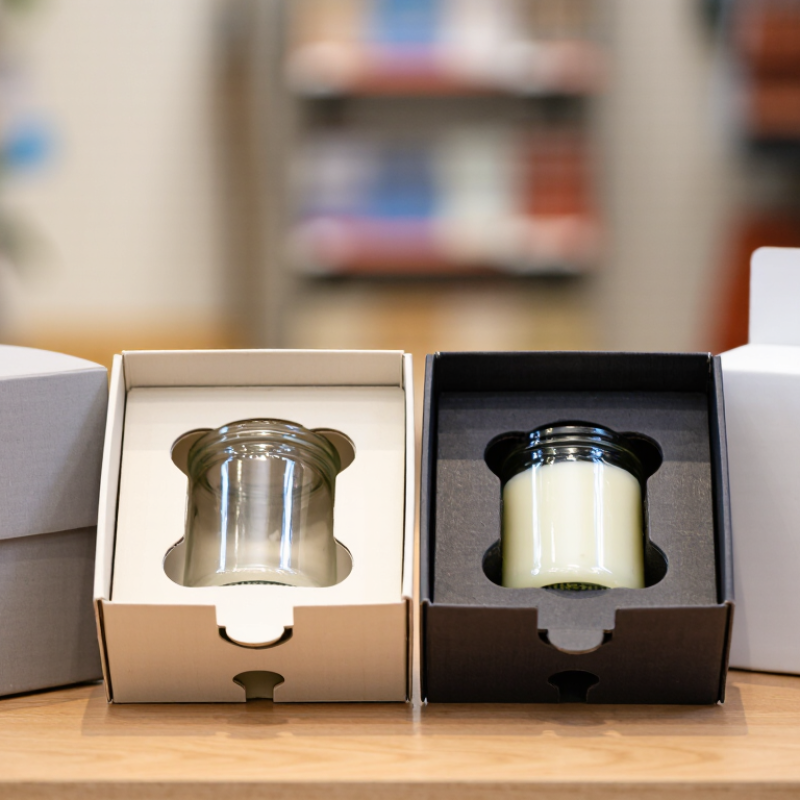
A candle box is a purpose-built package that encloses and protects a candle during storage, shipping, and display. Its core purpose is simple: keep the product intact and clearly presented.
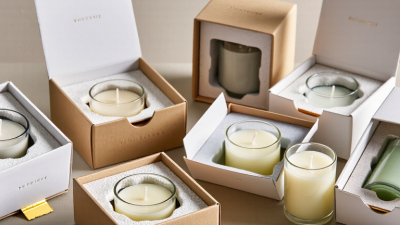
The box helps prevent scratches, dust, dents, and surface damage. It also limits movement inside the package, which matters when a glass jar travels through several handling points. A snug insert can reduce shaking, while a firm outer board can resist light compression. Fit matters. A loose box may look acceptable but still allow the candle to shift.
A candle box also communicates essential product information. It can show the scent, wax type, net weight, care instructions, and relevant safety warnings. Clear printing supports informed handling and reduces confusion at the shelf. Experienced packers usually check the box against real shipping conditions, not only its appearance. A box may look strong and still fail after moisture exposure or repeated drops. That weakness deserves attention. Material selection should match the candle’s weight, container shape, and distribution distance. Recyclability claims also need verification, because coatings, windows, and mixed materials can complicate disposal. For buyers, the best candle box balances protection, usability, accurate information, and a clean presentation without adding unnecessary layers.
| Packaging Dimension | What a Candle Box Provides | Typical Data or Range | Why Buyers Need It |
|---|---|---|---|
| Product protection | A rigid or folding outer structure that surrounds the candle and limits contact with external impacts. | Common materials include paperboard, corrugated board, rigid board, and molded pulp. | Helps reduce scratches, dents, chipped wax, broken glass, and crushed packaging during handling and transport. |
| Dimensional fit | An interior cavity or insert sized around the candle vessel. | The internal length, width, and height should generally exceed the product dimensions by only a small clearance, often about 2–5 mm per side for a snug retail fit. | Limits movement inside the box and improves product stability without creating unnecessary empty space. |
| Cushioning and inserts | Die-cut supports, paper inserts, molded pulp, or protective sleeves that hold the candle in place. | Insert design depends on the vessel shape, lid design, weight, and fragility of the candle. | Provides additional shock absorption and prevents the product from shifting during delivery. |
| Light and heat protection | An opaque or partially opaque barrier between the candle and its surroundings. | Protection level varies according to board thickness, coating, color, and whether the box includes a window. | Helps protect wax appearance, labels, fragrance presentation, and surface finish from light, dust, and minor environmental exposure. |
| Material strength | A board grade selected according to candle weight and distribution conditions. | Light retail boxes commonly use paperboard around 250–400 gsm; heavier products may require thicker board or corrugated construction. | A suitable board weight improves stacking performance and lowers the risk of deformation. |
| Product information | A printable surface for product details, safety instructions, handling information, and usage guidance. | Typical information may include candle type, net quantity, burn instructions, warnings, materials, and recycling marks. | Allows buyers to understand how to use and store the candle safely before opening the package. |
| Safety communication | A visible area for candle-burning precautions and warning statements. | Common guidance includes keeping the candle within sight, keeping it away from flammable objects, and keeping it away from children and pets. | Supports safer use by presenting essential warnings before the candle is lit. |
| Shelf presentation | A structured surface for color, typography, illustrations, finishes, and product identification. | Common finishes include matte or gloss coating, embossing, foil accents, spot varnish, and die-cut windows. | Improves product visibility and helps buyers compare scent, size, style, and intended use at the point of purchase. |
| Shipping efficiency | A compact shape that supports packing, storage, and distribution. | A close-fitting box reduces unused internal volume and can improve carton utilization. | Helps lower movement, storage requirements, and the risk of damage during parcel shipment. |
| Sustainability considerations | A packaging format that can be designed for efficient material use and easier disposal. | Paper-based boxes are commonly recyclable where local recycling facilities accept the material; plastic windows, coatings, and mixed components may affect recyclability. | Helps buyers evaluate packaging waste, material separation, and end-of-life disposal. |
| Unboxing and reuse | A clean opening structure that may be retained for storage after purchase. | Tuck-end, magnetic-close, sleeve-and-tray, and lift-off lid formats are commonly used for different presentation levels. | Makes the product easier to open, store, gift, and protect between uses. |
Note: Material grades, dimensions, coatings, and recycling options vary according to candle size, vessel type, shipping conditions, local regulations, and available recycling infrastructure.