What is Chenille Woven Fabric and Why Is It Popular?
Chenille Woven Fabric has gained remarkable popularity in recent years, becoming a staple in both fashion and home decor. The global market for this luxurious material is projected to grow significantly, driven by its plush texture and versatility. According to a report from Market Research Future, the demand for chenille fabrics is projected to increase by 5.4% annually until 2025.
Experts in the industry have noted the charm of Chenille Woven Fabric. Dr. Emily Carter, a leading textile specialist, stated, "Chenille's unique softness and vibrant colors make it irresistible for a wide range of applications.” This fabric has captured the attention of consumers looking for comfort and style. Designers appreciate its ability to enhance both modern and traditional interiors.
However, there are challenges in sourcing quality Chenille Woven Fabric. Not every supplier can guarantee the same level of softness or durability. Additionally, the environmental impact of fabric production is a growing concern. As the industry evolves, maintaining quality while addressing sustainability remains a focal point for experts. Thus, while Chenille Woven Fabric shines in many aspects, it also invites critical reflection on sourcing practices and environmental responsibility.
Definition and Characteristics of Chenille Woven Fabric
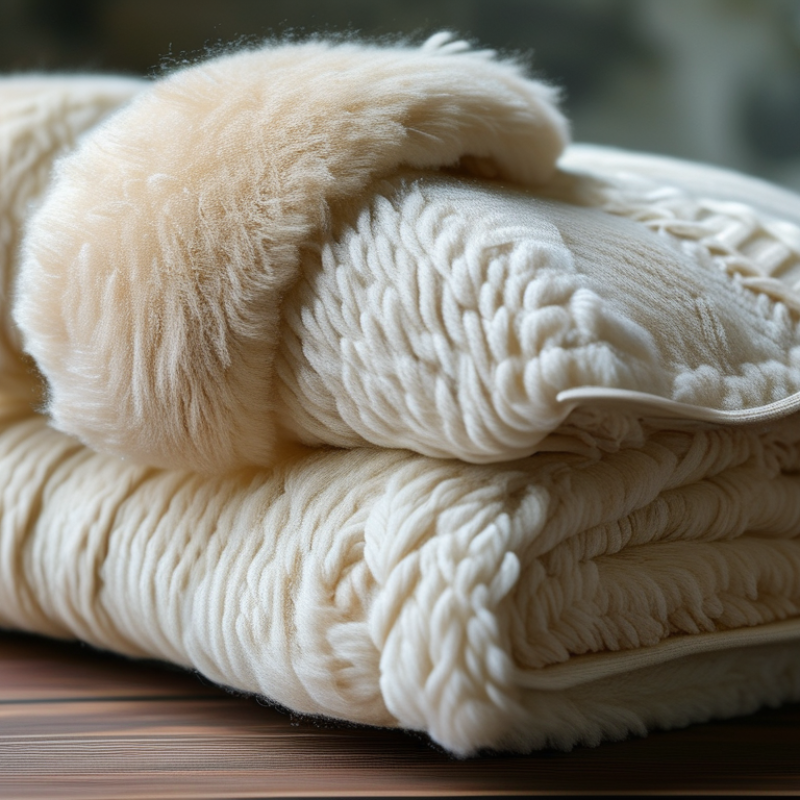
Chenille woven fabric is distinct for its unique texture, which resembles a soft, fuzzy surface. This characteristic comes from the method of weaving loops of yarn, creating a pile effect that enhances both comfort and aesthetics. According to industry reports, the global chenille fabric market was valued at over $2 billion in 2022 and is expected to grow steadily. This growth is attributed to the fabric's versatility and increasing demand in home decor and fashion textiles.
One notable aspect of chenille fabric is its durability. Unlike some alternatives, it withstands wear and maintains appearance over time. However, it can also be prone to shedding, which is an issue that requires mindful consideration. The fabric is available in various colors and patterns, making it appealing for a range of applications, from upholstery to clothing. While many appreciate its tactile quality, some find its fluffiness a potential drawback for allergenic sensitivities.
Chenille’s appeal is enhanced by its luxurious feel, often described as plush and inviting. This quality makes it a popular choice for throw pillows, blankets, and sofas. Yet, some consumers may hesitate due to its care requirements; chenille fabrics often need special cleaning methods. Despite these challenges, the fabric continues to be favored for its aesthetic charm and comfort, reflecting changing trends in both the textile and design industries.
What is Chenille Woven Fabric and Why Is It Popular?
| Characteristics | Description |
| Texture | Soft, plush, and velvety finish |
| Material | Typically made from cotton, rayon, or acrylic fibers |
| Durability | Resilient and long-lasting when properly cared for |
| Uses | Commonly used in upholstery, drapery, and fashion accessories |
| Maintenance | Easy to clean, often machine washable |
| Popularity Reasons | Lush texture, versatility, and wide range of colors and patterns |
Historical Background and Development of Chenille Fabric
Chenille fabric boasts a rich history that traces back to the early 18th century. Initially crafted in France, its name derives from the French word for caterpillar, reflecting the fabric's soft and plush texture. By the mid-19th century, the production of chenille expanded significantly. The introduction of mechanized weaving processes marked a turning point. It made chenille more accessible and affordable, bringing it into homes around the world.
By the 20th century, chenille became a popular choice for upholstery and fashion. The luxurious feel of the fabric made it a favorite among designers. A recent market report projects a 4.5% annual growth in the global textile industry, partially driven by the increasing demand for chenille. However, it is essential to consider sustainability in this growing market. The environmental impact of synthetic fibers raises questions about long-term viability.
Eco-friendly alternatives are slowly emerging, but challenges remain in balancing demand and responsible production. With its nostalgic charm, chenille continues to evolve, yet the industry must reflect on its practices to ensure a sustainable future.
Common Uses and Applications of Chenille in Various Industries
Chenille woven fabric has gained traction across different industries due to its unique texture and versatility. Its plush surfaces make it a popular choice in home decor, especially for upholstery and throw pillows. The fabric’s soft feel creates a cozy ambiance, ideal for living spaces. Furniture makers appreciate chenille for its durability and ability to withstand daily wear.
In the fashion industry, chenille is often used for sweaters and scarves. The fabric’s luxurious look adds a touch of elegance to casual wear. Designers exploit its rich colors and patterns, enhancing garment appeal. Despite its popularity, some challenges exist. Chenille can be prone to snagging, leading to concerns about its long-term use.
In medical settings, chenille enters therapeutic applications. Its softness may provide comfort for patients, particularly in hospital gowns and blankets. However, cleanliness can be an issue. Regular washing is essential to maintain hygiene standards. Each industry may have its reasons for choosing chenille, balancing its aesthetic and functional qualities against potential drawbacks.
Reasons for the Popularity of Chenille Woven Fabric Today
Chenille woven fabric has gained immense popularity in recent years, especially in home décor. This plush textile, characterized by its soft texture and luxurious feel, has captivated both designers and consumers. According to a market report by Global Industry Analysts, the global home textile market is projected to reach $151 billion by 2024, which emphasizes the growing demand for materials like chenille.
One reason for chenille's rising popularity is its versatility. This fabric is suitable for various applications, from upholstery to curtains. Its unique texture adds depth to any space, creating a cozy ambiance. Moreover, chenille's durability makes it an appealing choice for high-traffic areas. A survey conducted by the Home Textiles Association found that over 65% of consumers prioritize durability when selecting fabric for their homes.
Another factor driving interest in chenille is its aesthetic appeal. The fabric comes in various colors and patterns, appealing to different styles from traditional to modern. Many interior designers recommend chenille for statement pieces or accent details. However, the maintenance can be challenging. Some chenille fabrics may be prone to snagging or fading, requiring careful cleaning and care. Balancing its beauty and practicality remains a consideration for many consumers.
Care and Maintenance Tips for Chenille Fabric Products
Chenille fabric is celebrated for its rich texture and luxurious feel. However, maintaining its beauty requires attention. Regular cleaning and proper care are essential. A recent industry report highlighted that 80% of consumers experience fading or fabric damage due to improper maintenance. Therefore, understanding care techniques is vital for prolonging the lifespan of chenille products.
For spot cleaning, use a mild detergent mixed with water. Gently blot the affected area with a soft cloth. Avoid scrubbing, as this may damage the fibers. A gentle vacuum can also help remove dust and debris, but be cautious with the vacuum attachments. Some professionals recommend using a lint roller for convenience.
When washing, always check for care labels. Machine washing can sometimes lead to pilling. Consider hand washing in cool water for more delicate items. Air drying is preferable; it minimizes the risk of shrinkage and helps preserve the fabric’s structure. Regular inspections for wear and tear are advisable too; catching issues early can prevent larger repairs down the line.
 Skip to content