Why Do You Need a Child Car Seat for Your Child's Safety?
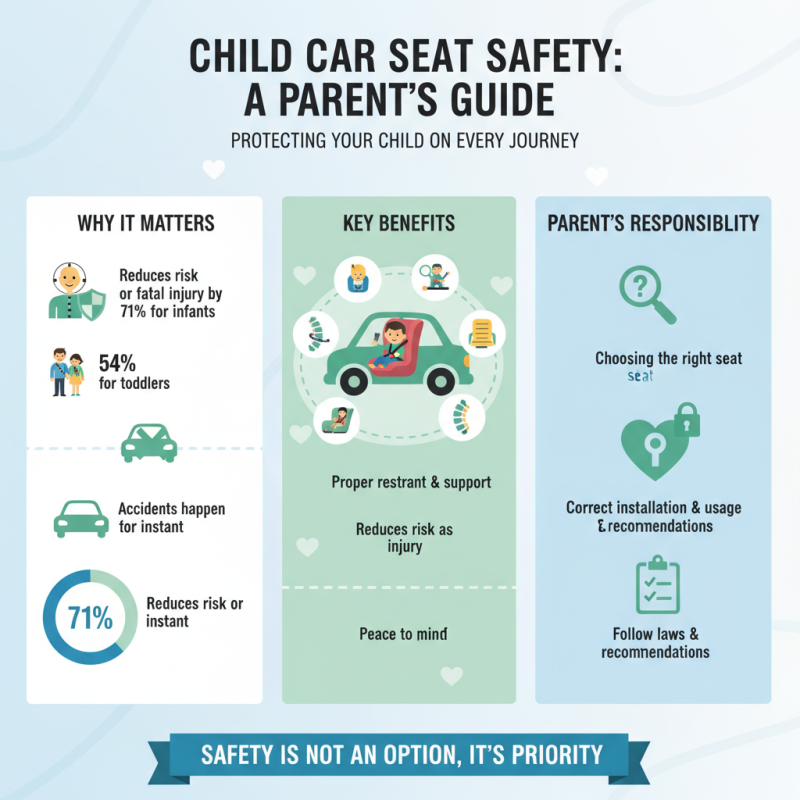
A Child Car Seat is more than just a convenience; it’s a crucial safety measure. Every parent wants to protect their child during travel. Accidents can happen in an instant, and a secure car seat can make a significant difference. The right seat provides support and safety, reducing the risk of injury.
Many parents overlook the importance of a Child Car Seat. They may think their child is safe without one. However, without proper restraint, even a minor crash can lead to serious harm. Statistics show that using a Child Car Seat can reduce the risk of fatal injury by 71% for infants and 54% for toddlers.
Investing in a Child Car Seat is essential. It’s not just about following laws or recommendations; it’s about being proactive. Sometimes there’s confusion about which type to choose. Parents often have doubts about installation or usage. These factors are vital to ensure the seat works effectively. Prioritizing safety isn’t just an option; it's a responsibility every parent should embrace.
Importance of Child Car Seats in Ensuring Safety
Child car seats are essential for ensuring the safety of young passengers. According to the National Highway Traffic Safety Administration (NHTSA), car crashes are a leading cause of death for children aged 1 to 13. Approximately 325 children under the age of 5 are saved every year by the proper use of child safety seats. These seats are specifically designed to protect small bodies during collisions.
Proper installation and usage of child car seats can significantly reduce injury risk. Studies reveal that using a car seat reduces the risk of injury by 71% for infants and 54% for toddlers. Yet, many parents make mistakes during installation. Common errors include incorrect harnessing or failure to secure the seat tightly. Such mistakes can lead to serious consequences in a crash.
The importance of using age-appropriate car seats cannot be overstated. As children grow, their needs change. A seat that fits a baby may not provide adequate protection for a child in a booster seat. Parents should regularly assess their child’s car seat to ensure it meets safety standards. Regular safety checks can save lives and help maintain peace of mind while driving.
Types of Child Car Seats and Their Appropriate Usage
Choosing the right child car seat is crucial for safety. According to the National Highway Traffic Safety Administration (NHTSA), car crashes are a leading cause of childhood injury. In fact, using a car seat can reduce the risk of injury by 71% for infants and 54% for toddlers. With the right seat, your child's safety significantly increases.
There are several types of child car seats. Infant seats are designed for babies up to 1 year old. They face backward, providing essential support during accidents. Convertible seats can serve both infants and toddlers. However, many parents misuse them due to complexity. Booster seats accommodate older children until they reach 4 feet 9 inches tall. Surprisingly, only 34% of parents correctly use these seats. This statistic highlights the need for proper education.
Installation can also be tricky. A study revealed that nearly 60% of child car seats are installed incorrectly. Parents often overlook the manual. Ensuring a secure fit is vital for safety. Some might think that any seat will do, but the specific needs must be addressed. Every child grows differently. What fits one may not suit another.
Legal Requirements for Child Car Seat Safety
Child car seats are not just helpful; they are often required by law. In many regions, children under a certain age or weight must be secured in a child safety seat. According to the National Highway Traffic Safety Administration (NHTSA), proper use of child safety seats can reduce the risk of injury for infants by 71% and toddlers by 54% during a crash. Yet, nearly 50% of car seats are not properly installed.
Understanding local laws is essential. Some states require children to remain in rear-facing seats until they reach a specific weight, sometimes up to 40 pounds. Many parents overlook these details. According to a survey by Safe Kids Worldwide, only 27% of parents know the laws regarding child car seat safety. This gap shows the need for better education about securing children properly.
Misuse of car seats is common. Parents may believe that switching to a booster seat too early is acceptable. However, the American Academy of Pediatrics recommends that children use a forward-facing seat with a harness until they exceed the manufacturer's weight limit. The lack of awareness surrounding these regulations can put children at risk. It's crucial to educate caregivers about safe practices.
Proper Installation Techniques for Child Car Seats
Installing a child car seat properly is crucial for safety. Many parents skip this step, thinking it's simple. However, the instructions can be confusing. Each car seat has unique requirements. Make sure to read the manual thoroughly.
Secure the seat tightly in the vehicle. It should not move more than one inch when pulled at the base. Use both the seat belt and LATCH system if available. This ensures a firmer fit. Straps should be snug on your child. Check for tightness regularly, as kids can grow quickly.
Many common mistakes can occur. Some parents forget to adjust the harness as their child grows. Others may leave the seat rear-facing too soon. These little oversights can have significant consequences. It's vital to be vigilant and proactive. Regularly review your installation and adjust as needed. Take the time to learn proper techniques. It can make all the difference in an emergency.
Importance of Child Car Seats for Safety
Common Misconceptions About Child Car Seats
Many parents believe that any seat will keep their child safe. This is a common misconception. In reality, regular seat belts aren't designed for small children. They can lead to serious injuries during a crash. A proper child car seat helps protect your little one much better.
Another misconception is that car seats are only for infants. However, kids grow and need different types of seats as they age. A booster seat is necessary once your child outgrows their car seat. This ensures the seat belt fits properly as they continue to grow. It's essential to check the height and weight limits regularly.
Some parents think that if a car seat looks fine, it is safe. But that isn’t always true. Car seats can expire or have hidden damage after an accident. Always check for recalls and update your seat when necessary. Using a proper car seat isn’t just a choice; it’s a responsibility that can save a child's life.

 Skip to content