China Top Dyed Woven Fabric Suppliers for Global Buyers?
In the global textile industry, the demand for Dyed Woven Fabric is on the rise. This fabric plays a significant role in fashion and home décor. Companies are looking for reliable suppliers who can provide quality materials. As industry expert Dr. Lily Chen once said, “The quality of dyed woven fabric shapes the market trends.”
China stands out as a key player in this sector. Suppliers from China offer a diverse range of dyed woven fabrics. They are known for their innovative designs and vibrant colors. However, buyers often face challenges in identifying the best manufacturers. Quality assurance and ethical production methods are essential considerations.
Navigating the landscape of dyed woven fabric suppliers can be overwhelming. Not every supplier meets the high standards required by global markets. Potential buyers need to conduct thorough research. Understanding the capabilities of suppliers is crucial. This ensures they receive not only beautiful fabrics but also sustainable options that align with their values.
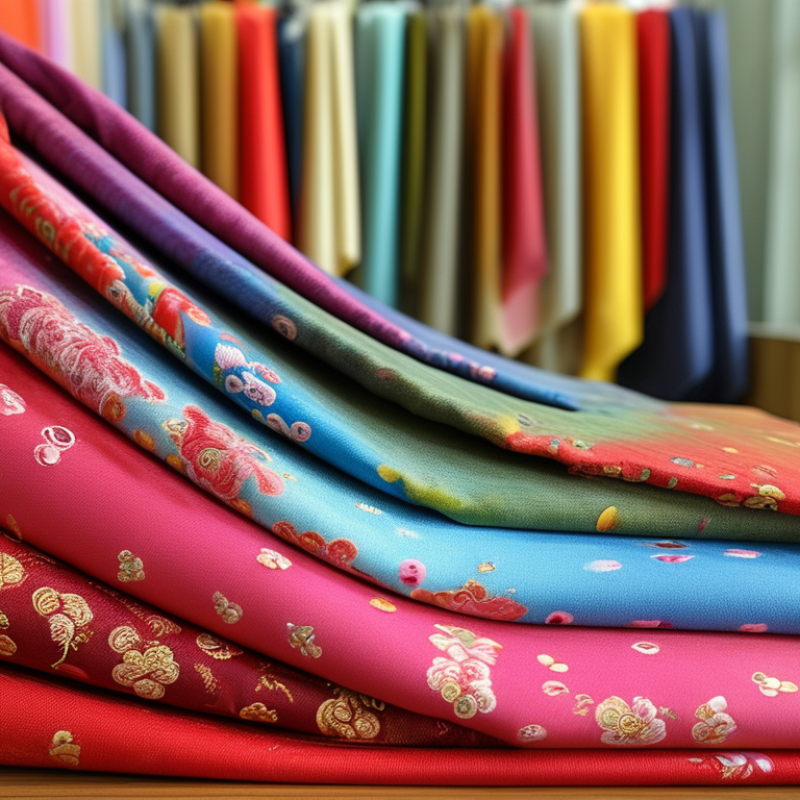
Overview of China's Dyed Woven Fabric Industry
China's dyed woven fabric industry plays a significant role in the global textile market. It is a cornerstone of the country's manufacturing capabilities, contributing to a revenue of over $73 billion in 2022. This growth has been fueled by innovations in dyeing technology and weaving processes. The industry has seen an annual growth rate of 6% in recent years, showcasing its dynamism.
The demand for dyed woven fabrics is rising, driven by trends in fashion and home textiles. In 2023, exports of these fabrics reached approximately $28 billion, indicating strong global interest. However, challenges remain, such as sustainability and the need for eco-friendly practices. Many companies are under pressure to adopt greener dyeing methods. The transition isn't always smooth, and there are questions about the adequacy of current regulations.
Moreover, the skilled labor force is essential but increasingly under threat from automation. The quality of craftsmanship in dyed woven fabrics varies, and some manufacturers struggle to meet international standards. Investing in training could bridge this gap. The future of China's dyed woven fabric industry hinges on balancing traditional techniques with modern demands. This dynamic landscape requires constant adaptation and a focus on quality and sustainability.
Key Players in China's Dyed Woven Fabric Market
In the vibrant landscape of China's dyed woven fabric market, several key players have emerged as significant contributors. These suppliers demonstrate a mixture of expertise and innovation. They cater to different segments within the industry. The focus on quality and design sets them apart in a competitive global market. Many factories are equipped with advanced technology to enhance production efficiency. This is vital in meeting the diverse needs of international buyers.
However, challenges persist. Some suppliers struggle with inconsistent quality. This can lead to dissatisfaction among buyers seeking reliability. Furthermore, fluctuations in raw material costs can impact pricing strategies. Many players are aware of these issues and actively seek solutions. They implement quality control measures and invest in sustainable practices. These steps reflect a growing awareness of global market demands. The commitment to improvement is crucial for gaining trust.
Transparency remains a critical factor. Buyers often seek detailed information about production processes. This includes sourcing materials and labor conditions. Suppliers who prioritize openness tend to build stronger relationships. The dynamic nature of China's dyed woven fabric market presents both opportunities and hurdles. Continuous adaptation to market trends is essential for long-term success.
Quality Standards and Certifications for Dyed Woven Fabrics
Quality standards and certifications are vital for dyed woven fabrics. Global buyers prioritize these aspects to ensure product reliability. Various certifications, such as ISO 9001 and OEKO-TEX, indicate compliance with industry standards. These not only reflect quality but also guarantee safety for consumers.
To meet international expectations, suppliers must adhere to strict testing protocols. Color fastness, shrinkage, and fading tests are essential. Suppliers often showcase their certifications to build trust among buyers. However, not all suppliers maintain consistent quality. This inconsistency can be frustrating for buyers, leading to disputes over delivered goods.
The pursuit of quality is a shared responsibility. Suppliers must invest in regular training and updates on industry advancements. Buyers should conduct thorough research on potential partners. Establishing clear communication can address uncertainties. It is a continuous journey toward improvement. The landscape of dyed woven fabrics is evolving, and adapting to these changes is crucial for both suppliers and buyers.
Quality Standards and Certifications for Dyed Woven Fabrics
Trends and Innovations in Dyed Woven Fabrics from China
The dyed woven fabric industry in China showcases remarkable innovations and trends. Recent reports indicate that in 2023, the market for dyed woven fabrics is projected to grow by approximately 5% annually. This growth is driven by increased demand for sustainable materials and advanced dyeing technologies. Many suppliers are adopting eco-friendly dyes and processes, which not only reduce environmental impact but also enhance fabric quality.
One notable trend is the integration of digital printing technologies. Digital dyeing allows for intricate patterns and designs, catering to diverse consumer preferences. According to research, about 30% of fabric manufacturers in China are now utilizing digital methods, making production more flexible. This shift influences global buyers, who seek unique styles and quick turnaround times.
However, challenges persist. Some suppliers struggle with the balance between high-quality outputs and cost efficiency. Inconsistent dyeing results can lead to wastage and increased production costs. Industry experts highlight the importance of investing in quality control measures to mitigate these issues. By focusing on expertise and adopting innovative technologies, Chinese suppliers can better meet the evolving demands of global buyers.
Export Markets and Opportunities for Chinese Fabric Suppliers
China’s dyed woven fabric sector shows significant promise for global buyers. Recent market research indicates that the global demand for textiles is projected to reach approximately $1 trillion by 2025. It highlights the increasing interest in high-quality fabrics, further boosting export opportunities for Chinese suppliers. Woven fabrics, particularly those dyed with eco-friendly methods, meet rising consumer expectations for sustainability.
According to the China National Textile and Apparel Council, the export value of dyed woven fabrics has surged by over 15% annually, with key markets including the EU, the US, and Southeast Asia. Manufacturers in China are increasingly adopting automated technologies, enhancing production efficiency. However, challenges remain, such as rigorous compliance with international standards and adapting to fast-changing market trends.
Data from the Textile Association reveals that nearly 30% of small to medium enterprises face hurdles in accessing reliable supply chains. Ensuring consistent quality amid rapid production is crucial. Buyers should exercise caution and perform due diligence on suppliers. This careful approach will foster long-term business relationships and ensure quality control in the fast-evolving textile market.
 Skip to content