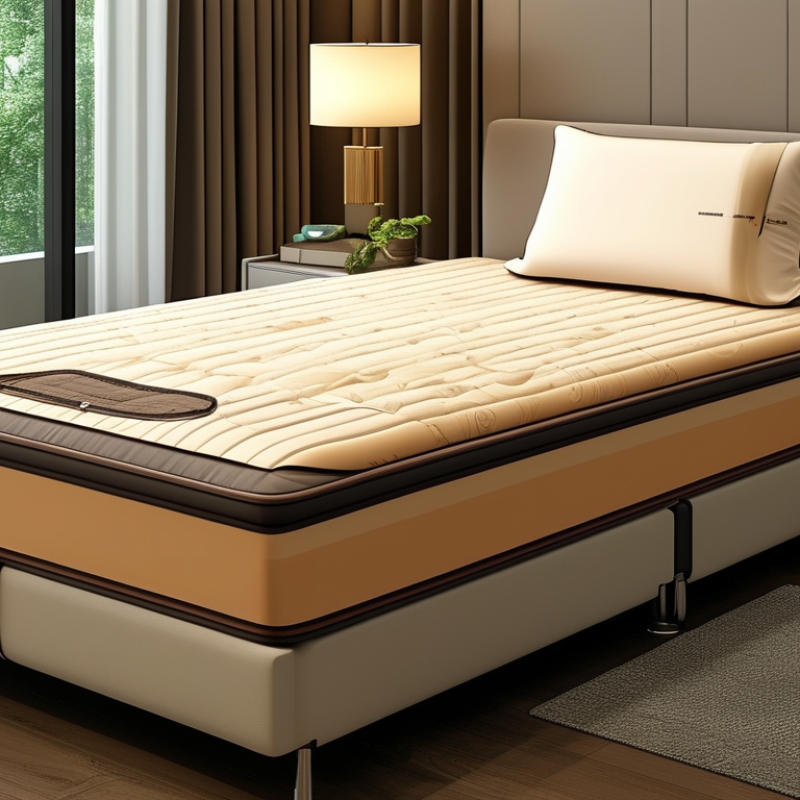
How to Choose the Best Anti Decubitus Air Mattress for Your Needs?
Selecting the right Anti-Decubitus Air Mattress can greatly enhance comfort and health. Pressure sores are a serious concern for those with limited mobility. An effective air mattress relieves pressure points and promotes better blood circulation.
Various factors influence the decision. For instance, mattress size, weight capacity, and adjustable settings are crucial. You might find options with features like alternating pressure. These provide dynamic support, which is often essential for vulnerable individuals.
However, it's easy to feel overwhelmed by choices. Not every mattress suits everyone’s needs. The best approach is to consult healthcare professionals. Their insights can guide you in making an informed decision. Remember, the right Anti-Decubitus Air Mattress is not merely a purchase; it’s an investment in well-being.
Understanding Decubitus Ulcers and Their Prevention
Decubitus ulcers, also known as pressure sores, are painful injuries that occur when skin is under constant pressure. They often affect individuals with limited mobility. These ulcers can cause serious health issues, including infections and prolonged hospital stays. Understanding their prevention is crucial for maintaining skin integrity, especially in vulnerable populations.
One effective method to prevent decubitus ulcers is the use of specialized air mattresses. These mattresses promote better circulation by redistributing body weight. They are designed to reduce pressure on specific areas of the body. Regularly changing positions is also important. Even with an air mattress, individuals should shift their weight every couple of hours.
Education is key in prevention efforts. Caregivers need to understand the early signs of pressure sores. Skin assessments should be a routine practice. Identifying red flags can lead to prompt interventions. While air mattresses help, they are just one part of a comprehensive care plan. Active engagement in prevention strategies can make a significant difference.
Types of Anti-Decubitus Air Mattresses Available
When it comes to choosing an anti-decubitus air mattress, understanding the types available is crucial. There are primarily two types: Alternating Pressure Mattresses and static air mattresses.
Alternating pressure mattresses use a pump to inflate and deflate air cells in a sequence. This process provides continual movement and can better reduce pressure points. Users often find relief through this movement, which can enhance comfort for long-term patients. On the downside, they can be noisy. It may also take time for individuals to adjust to the constant changes in surface pressure.
Static air mattresses, on the other hand, maintain a consistent pressure throughout the surface. They are simpler in design and often quieter than their alternating counterparts. This type can be beneficial for users who desire a stable surface while recovering. However, they may not provide as effective pressure relief over extended periods. The lack of movement can lead to problems if the user remains in one position for too long.
Each type has its own merits and demerits. It’s essential to consider individual needs, comfort levels, and specific health conditions when choosing the right mattress. Proper research is necessary to ensure the best fit.
How to Choose the Best Anti Decubitus Air Mattress for Your Needs? - Types of Anti-Decubitus Air Mattresses Available
| Type | Description | Pressure Adjustment | Best For |
| Static Mattresses | Provides a consistent, firm support without moving air. | No adjustment | Patients with low mobility or at risk of minimal pressure ulcers. |
| Alternating Pressure Mattresses | Contains air cells that inflate and deflate to redistribute pressure. | Automatic adjustment | Patients at high risk for pressure ulcers, requiring frequent turning. |
| Low Air Loss Mattresses | Features continuous airflow to keep skin cool and dry while reducing pressure. | Variable adjustment | Patients with existing pressure ulcers needing moisture control. |
| Gel-Infused Mattresses | Combines air technology with gel layers for added comfort and pressure relief. | Limited adjustment | Patients requiring a balance of soft comfort and firm support. |
Key Features to Consider When Choosing a Mattress
Choosing the right anti-decubitus air mattress is crucial for enhancing patient comfort and preventing pressure ulcers. One of the key features to consider is the mattress's pressure redistribution ability. Research from the National Institute for Health and Care Excellence shows that a well-designed mattress can decrease pressure ulcer incidence by up to 80%. Look for models that have a multi-chamber design to evenly distribute weight across the surface.
Another important factor is adjustability. Continuous air adjustment can help accommodate a user's changing position. Reports indicate that dynamic air mattresses, which regularly alter pressure points, can significantly lower the risk of skin breakdown. Additionally, consider the mattress cover material. Breathable fabrics reduce moisture buildup, which can lead to skin irritation. The right material works in tandem with air circulation for effective moisture management.
Durability is also a vital consideration. Some mattresses may lose effectiveness over time. Choosing a model that offers a robust warranty and proven longevity is essential. Check for clinical studies that support claims about durability. This reflection on quality versus cost is essential, as a low initial price could result in frequent replacements, undermining overall value.
Comparison of Key Features for Anti Decubitus Air Mattresses
This bar chart illustrates the ratings of key features to consider when choosing an anti-decubitus air mattress. The ratings are based on a scale from 1 to 10, highlighting the importance of pressure relief and adjustability while considering factors like durability, weight capacity, and price.
Evaluating Comfort and Pressure Relief in Air Mattresses
Selecting the right anti-decubitus air mattress requires careful consideration of comfort and pressure relief. Comfort is a subjective experience, varying from person to person. What feels plush to one individual may feel inadequate to another. It’s essential to assess how the mattress feels during various activities, such as sitting up or shifting positions. Pay attention to how well the surface contours to your body.
Pressure relief is crucial in preventing bedsores. Look for features like adjustable pressure settings. These can help distribute weight evenly and alleviate areas prone to excessive pressure. Some mattresses have multiple air chambers that allow for customizable support. However, the balance of firmness can be tricky. Too firm can lead to discomfort; too soft may not provide adequate support. It’s worth noting that what works initially may not remain effective. Regular adjustments might be necessary as one’s condition changes.
Test the mattress if possible. Spend time lying on it. Observe how it feels after prolonged use. An ideal mattress can change over time, reflecting your needs as you heal or experience discomfort. When evaluating options, consider how the materials and design support consistent pressure relief. Finding the perfect balance of comfort and functionality is vital, so keep revisiting your choice.
Budget Considerations: Finding Value in Anti-Decubitus Air Mattresses
Budget considerations are crucial when selecting an anti-decubitus air mattress. These mattresses can vary widely in price, ranging from a few hundred to over a thousand dollars. According to market research by Grand View Research, the global hospital bed market, including air mattresses, is projected to reach $4.9 billion by 2025. This indicates a growing demand, but affordability remains key for many consumers.
Quality often correlates with price, but it's essential to understand the features that justify the investment. An affordable option may have basic pressurization features, while high-end models offer advanced functionality, like alternating pressure settings. A study by the National Pressure Injury Advisory Panel emphasizes that a mattress's ability to distribute weight evenly can significantly reduce the risk of pressure ulcers. Thus, spending a bit more might yield better health outcomes and ultimately lower costs related to care.
However, a higher price doesn't always guarantee effectiveness. It's vital to read reviews and consider user experiences. Consumers often overlook the importance of after-sales support, which can affect long-term satisfaction. Striking a balance between budget and quality is not just about finding the right features; it’s also about ensuring the mattress meets your specific needs without breaking the bank.

 Skip to content