How to Choose the Best USB Cable at the 139th Canton Fair?
Choosing the right USB Cable can greatly impact device performance. At the 139th Canton Fair, buyers will find a vast selection of cables. The fair showcases quality products from various suppliers, making it essential to understand what to look for.
According to Mark Jensen, a USB Cable technology expert, "Quality cables ensure better data transfer and charging efficiency." In recent reports, it’s noted that improper cables can reduce device performance by up to 50%. An informed choice at the fair can prevent such issues. Look for features like certification marks, compatible specifications, and customer reviews.
While many cables may appear identical, they can differ significantly in performance. It's crucial to pay attention to details, such as cable length and material. Buyers should also consider how these choices affect their overall tech ecosystem. Engaging with suppliers and asking the right questions can lead to better purchasing decisions, saving time and money in the long run.
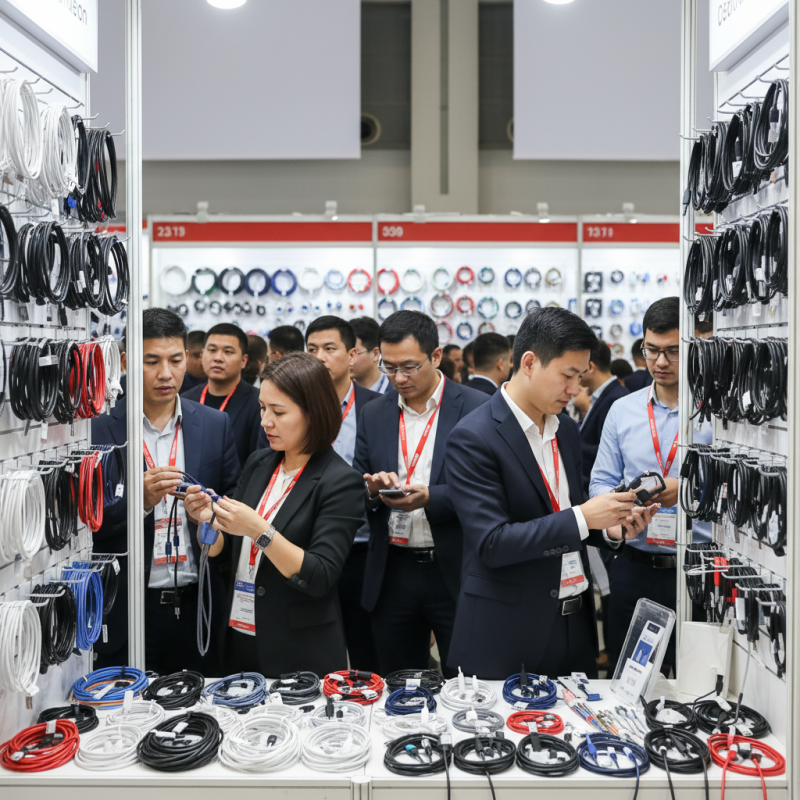
Understanding USB Cable Types and Standards at the Canton Fair
When attending the 139th Canton Fair, understanding USB cable types and standards is crucial. Different cables serve unique purposes. For instance, USB-A cables connect to standard USB ports. USB-C, on the other hand, offers faster data transfer. Knowing these distinctions helps buyers make informed choices.
Many visitors overlook the importance of standards. USB 2.0, 3.0, and 3.1 all have varying capabilities. USB 3.0 is significantly faster than USB 2.0. Yet, some might not realize this until they try transferring large files.
Compatibility is another factor; not every cable works with all devices. This can lead to frustration during the fair.
Additionally, inspecting cable durability is necessary. Some cables may look sturdy but are not. Feel the material and check the connections. Pay attention to weight; heavier cables often suggest better quality. Don’t hesitate to ask questions about specifications. Taking time to reflect on these aspects can prevent future regret.
Identifying Quality Indicators for USB Cables
When attending the 139th Canton Fair, choosing the right USB cable is crucial. Quality indicators can guide your selection. Look for sturdy connectors. They affect durability and performance. Thin, flimsy connectors can lead to a frustrating experience. A visually appealing cable might not always perform well.
Check for certification marks. These often indicate compliance with safety standards. A reputable manufacturer is more likely to offer reliable products. At the Fair, ask vendors questions about their cables. Understand the materials used. High-quality cables often use better materials, enhancing lifespan and efficiency.
Tips: Pay attention to the cable length. Longer cables can sometimes lose efficiency. Don’t be swayed by low prices alone; cheap products might cost more in the long run. Inspect the cable’s flexibility. Too stiff might indicate inferior materials. Always trust your instincts; if a product feels wrong, it probably is.
Evaluating Compatibility with Devices at the Canton Fair
When attending the 139th Canton Fair, consider compatibility when selecting a USB cable. Many devices require specific types of USB connections. For instance, some gadgets use USB-C, while others might need Micro USB. Think about what you have at home or in the office. Are you buying cables for charging or data transfers? Each function might demand different specifications.
Tips: Check each device's requirements. Look for symbols or notes on the device itself. This can save you time and money.
Sometimes, you might find multiple choices for the same cable type. Not all cables perform the same. Quality varies significantly. You might need to read reviews or ask for demonstrations. This can be tricky at a large fair.
Tips: Keep an eye on the cable thickness. Thicker cables often carry more power. Don’t hesitate to ask vendors about warranty or return policies. A cheap cable could cost you more in the long run.
Understanding your devices' needs is crucial. Sometimes you may forget an essential detail while negotiating prices. Reflection on your choices is key. Choosing the right USB cable enhances your tech experience significantly.
Assessing Price vs. Performance for USB Cables
When attending the 139th Canton Fair, choosing the right USB cable can be tricky. You must weigh price against performance. Many cables look similar at first glance. However, differences in quality can be significant. A low price tag might hide poor durability or slow data transfer rates. Sometimes, spending a bit more pays off in the long run.
Consider the materials used in the USB cable. Cables with better shielding can reduce interference. This can enhance performance, especially in high-speed transfers. It's essential to check compatibility. Not all cables work well with every device. Reflect on your needs before making a decision. A feature-rich cable might seem appealing, but consider if it's necessary for your use case.
It's easy to get lost in the variety available. Some cables claim high performance but fail in real-world use. Always seek reviews or ask for samples when possible. It’s wise to test the products personally. Additionally, don’t overlook warranty terms. A great warranty can reflect a manufacturer's confidence in their product. Being cautious with your choices can lead to better long-term satisfaction.
Key Questions to Ask Suppliers for Purchasing USB Cables
When attending the 139th Canton Fair, asking the right questions is crucial. Start by inquiring about the cable’s specifications. What is the data transfer rate? Many USB cables today support speeds of up to 10 Gbps. If your product requires fast data transfer, this is essential information.
Next, confirm the materials used. High-quality cables typically use aluminum and copper. This affects durability and performance. A recent industry report indicated that up to 30% of USB cables fail within the first year due to poor materials. Ensure the supplier offers warranties or guarantees on their products.
Don’t overlook safety standards. Ask if the cables meet international safety regulations. Some manufacturers cut corners, which could lead to risks. It’s vital to verify certifications. A surprising number of cables on the market do not comply with safety guidelines. By focusing on these details, you can make informed purchasing decisions that affect both quality and safety.
 Skip to content