
 Skip to content
 Choosing Modern Living Room Sets is less about copying a showroom and more about understanding your actual space. A compact apartment may need a slim sofa, nesting tables, and open shelving. A larger room can support a sectional, accent chairs, and a substantial coffee table. Before shopping, measure the room, doorways, and walking paths. Keep about 30 to 45 centimeters between seating and the coffee table for comfortable movement. Small details matter.
This guide explains how to balance proportion, function, comfort, and visual character. Interior designers often begin with the room’s focal point, such as a window, fireplace, or media wall. You can then choose seating that faces it naturally. Test the sofa depth before buying. A deep seat may feel luxurious, but it can overwhelm shorter users or narrow rooms. Check fabric durability, cushion support, frame construction, and warranty terms. These practical checks make online and in-store decisions more reliable.
Style still matters. Neutral upholstery can make a room feel brighter, while warm wood, textured fabric, or black metal adds definition. However, there is no perfect formula. A set that looks balanced in a catalog may feel crowded at home. I have found that leaving space for daily habits often improves the result. Children, pets, guests, and evening clutter should influence the layout. This article will help you compare sizes, materials, colors, and arrangements with confidence. Expect useful guidance, but keep room for personal judgment. Your living room should work beautifully, not simply look correct.
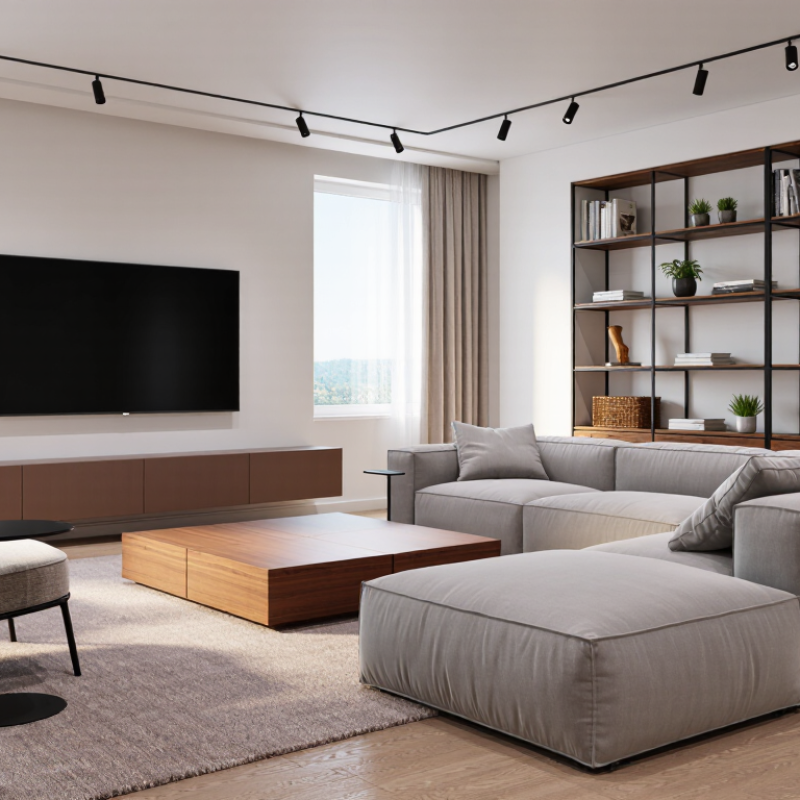
Modern living room sets work best when style and proportion agree. In room-planning projects, I begin by studying traffic paths, natural light, and daily habits. A compact room may need a two-seat sofa, one slim chair, and a nesting table. An open plan can support a larger sofa, loveseat, ottoman, and media console. Measure doorways too. Many attractive sets fail before reaching the room.
Clean-lined sets suit minimalist interiors, with low profiles, flat arms, and neutral upholstery. Soft contemporary sets add rounded edges, textured fabric, and warmer wood tones. Industrial-inspired pieces use metal accents and firmer shapes. Transitional designs bridge classic details with modern scale. Do not mix every look. A dependable set includes more than seating. Check frame construction, cushion support, upholstery performance, and table stability. For busy homes, removable covers and tightly woven fabrics can simplify maintenance. Families with children may value rounded corners, although no fabric is truly maintenance-free. An ottoman can provide seating, a footrest, or a tray-topped coffee surface.
I once chose a deep sofa for a narrow room; it looked impressive but blocked movement. That mistake changed my checklist. Leave clear walking space, test seat depth, and view samples in daylight. Style should serve comfort, not photographs. Still, personal taste matters. A practical set can feel wrong when its colors and textures do not reflect the people using it.
| Modern Set Style | Visual Characteristics | Typical Components | Recommended Room Size | Typical Seating Capacity | Practical Strengths | Key Planning Measure |
|---|---|---|---|---|---|---|
| Minimalist Linear Set | Clean horizontal lines, low visual weight, solid colors, and limited decoration. | Sofa Coffee table Media console | Small to medium rooms, approximately 12–22 m². | 2–4 people | Uses a simple footprint and keeps circulation visually open. | Allow about 75–90 cm for main walkways. |
| Compact Apartment Set | Scaled-down proportions, raised legs, and multifunctional pieces suited to limited floor area. | Apartment sofa Nesting tables Storage ottoman | Small rooms, studios, and open-plan areas up to approximately 18 m². | 2–3 people | Can combine seating, storage, and flexible surface space without overcrowding. | Keep at least 45 cm between the sofa and coffee table. |
| Modern Sectional Set | L-shaped or U-shaped configuration with broad cushions and a continuous seating arrangement. | Sectional sofa Ottoman Side table | Medium to large rooms, approximately 20–35 m² or more. | 4–7 people | Maximizes seating and helps define a conversation zone in open layouts. | Measure every wall, doorway, lift, and stair turn before delivery. |
| Sofa and Armchair Set | Balanced arrangement using one main sofa with separate movable chairs. | Three-seat sofa 1–2 armchairs Coffee table | Medium rooms, approximately 16–28 m². | 4–5 people | Offers flexible placement and makes conversation seating easier to customize. | Keep the front legs of seating on, or near, the area rug. |
| Modular Lounge Set | Individual sections that can be rearranged, expanded, or separated as needs change. | Modular seats Corner unit Ottoman | Medium to large rooms with adaptable layouts. | 3–8 people, depending on the number of modules | Supports changing room functions, household sizes, and entertaining needs. | Confirm each module’s width and connector position. |
| Sofa Bed Set | Streamlined daytime seating with a fold-out or pull-out sleeping surface. | Sofa bed Side table Floor lamp | Guest rooms, studios, and multipurpose rooms of approximately 12–22 m². | 2–3 people seated; 1–2 people sleeping | Provides occasional sleeping space without adding a separate bed. | Check the fully opened bed depth and clearance around it. |
| Conversation Set | Two facing sofas or chairs arranged around a central table to support interaction. | Two sofas Two accent chairs Central table | Medium to large rooms, approximately 20–32 m². | 5–8 people | Creates a sociable layout and works well when a television is not the main focus. | Keep seating faces within a comfortable conversational distance. |
| Entertainment-Focused Set | Low-profile seating oriented toward a television or media wall, with organized cable storage. | Sofa or sectional Media console Storage unit | Medium to large rooms with a dedicated media wall. | 3–6 people | Supports clear viewing angles and keeps electronic equipment visually coordinated. | Place the screen at a comfortable eye level and avoid blocking vents. |
| Small-Space Corner Set | Compact corner seating, narrow arms, and lightweight occasional tables. | Compact sectional Corner table Pouf | Small living rooms and awkward corners, approximately 10–18 m². | 2–4 people | Uses a corner efficiently while preserving a central open area. | Check corner depth, window clearance, and door swing direction. |
| Family-Friendly Performance Set | Durable upholstery, removable covers where available, rounded edges, and practical storage. | Deep sofa Washable ottoman Storage table | Medium to large family rooms, approximately 18–32 m². | 4–7 people | Combines comfort, easier maintenance, and flexible storage for everyday use. | Review fabric cleaning instructions and cushion-care requirements. |
Planning note: Room-size ranges are practical guidelines rather than fixed rules. Always verify the furniture’s exact dimensions, doorway clearance, walking paths, and the position of windows, radiators, outlets, and doors before purchasing.