How to Choose the Best Cosmetic Boxes Packaging for Your Products?
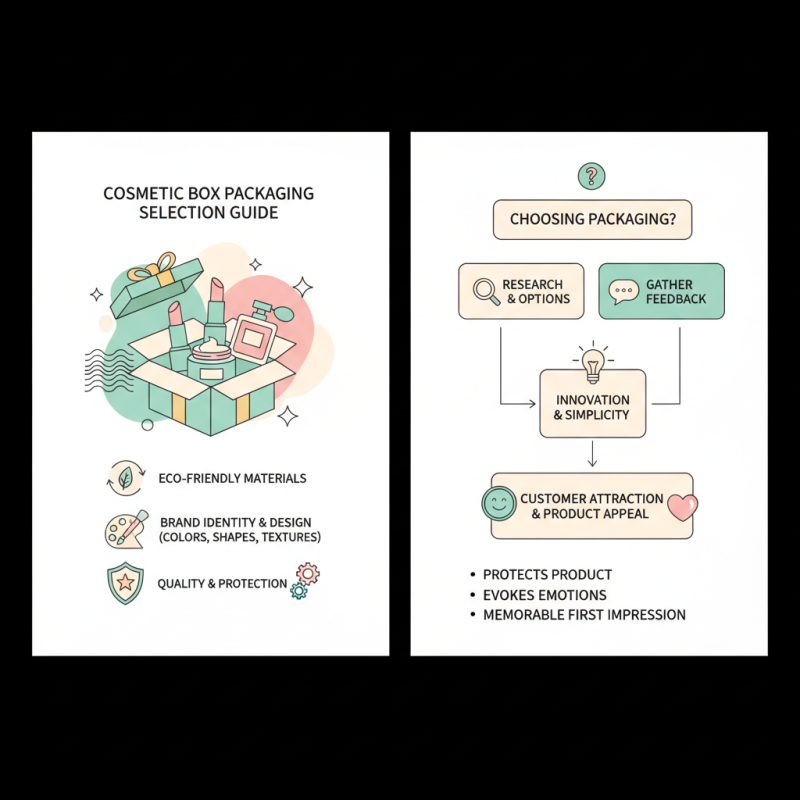
Choosing the right cosmetic boxes packaging is crucial for your brand. It not only protects the product but also attracts customers. The right packaging can tell a story, evoke emotions, and create a memorable first impression.
Consider the materials used in cosmetic boxes packaging. Eco-friendly options are becoming popular. They appeal to environmentally conscious consumers. Make sure the design reflects your brand identity. Colors, shapes, and textures all play a role. A messy or uninspired design may turn potential buyers away.
Quality matters too. Poor packaging can damage products, leading to customer dissatisfaction. Review your options carefully. Test different designs and gather feedback. Strive for innovation, yet aim for simplicity. Reflect on what works and what fails. Each choice should enhance your product's appeal, not detract from it.
Understanding the Importance of Cosmetic Packaging in Marketing
Cosmetic packaging plays a significant role in marketing. According to a study by Packaging Strategies, 72% of consumers say packaging design influences their purchasing decisions. This statistic highlights the power of aesthetics in the cosmetic industry. Brands must focus not only on the product but also on how it is presented.
The right packaging can foster brand loyalty. A report from the Paper and Packaging Board stated that 61% of consumers are more likely to purchase a product again if they appreciate its packaging. Eye-catching designs can attract potential customers. However, there is a risk of overdesigning, which may overshadow the product itself. Simplicity can be more effective.
Sustainability is another crucial factor. The Global Data report reveals that 52% of consumers want eco-friendly packaging. Brands that ignore this trend may lose market share. Yet, finding the right balance between appealing design and sustainability remains a challenge. Not all brands have adapted their packaging to meet these demands effectively. Addressing the evolving preferences of consumers is essential for success in the competitive cosmetic market.
Identifying the Target Audience for Cosmetic Products
Understanding your target audience is vital when choosing cosmetic packaging. Each audience segment has unique preferences. For example, young adults may prefer bold colors and trendy designs. In contrast, mature consumers might lean towards elegant, classic aesthetics. Knowing these differences can help you select the right packaging.
Tips: Conduct surveys or focus groups to gather insights. This will help uncover preferences and pain points. Pay attention to what appeals to your audience. Visuals matter; packaging should resonate with their lifestyle.
Consider also the materials used. Eco-friendly options appeal to environmentally conscious consumers. This choice can enhance brand loyalty. However, balance aesthetics and functionality. Sometimes, a beautiful design can sacrifice product safety. Written messages on the packaging should also match audience expectations.
Tips: Keep the language simple and relatable. Use quality materials that reflect your brand's values. Engage with your audience on social media. Their feedback is invaluable for future packaging decisions.
How to Choose the Best Cosmetic Boxes Packaging for Your Products?
| Demographic |
Age Group |
Preferred Packaging Type |
Design Preferences |
Price Sensitivity |
| Teenagers |
13-19 |
Colorful boxes |
Trendy and playful |
Low |
| Young Adults |
20-35 |
Eco-friendly packaging |
Minimalist and chic |
Medium |
| Adults |
36-50 |
Luxury boxes |
Elegant and sophisticated |
High |
| Seniors |
51+ |
Easy-open packaging |
Classic and simple |
Low to Medium |
Key Features to Consider in Cosmetic Box Design
When selecting cosmetic box packaging, several key features come into play. The design should reflect the brand’s identity while appealing to consumers. Color choices, typography, and shapes contribute to this appeal. For instance, a minimalist design can exude elegance, while vibrant colors may attract a younger audience. It’s important to be imaginative, yet considerate of what resonates with your target market.
Tips: Prioritize eco-friendly materials. Consumers increasingly value sustainability in packaging. Using recycled or biodegradable options can enhance your brand image. Ensure your packaging is functional, too. On-the-go consumers appreciate convenience.
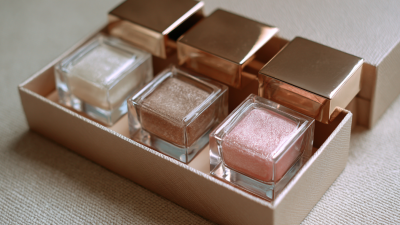
Don’t overlook size and structure. The box should snugly fit the product. Oversized boxes waste material and can be off-putting. Think about how the box opens. Magnetic closures offer a premium feel, while simpler flaps save on costs. Remember, the design should allow for easy storage and display. Small details can elevate the experience, but keep it simple and practical.
Materials and Sustainability in Cosmetic Packaging
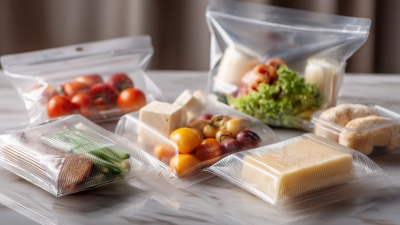
When considering cosmetic packaging, materials play a crucial role. Sustainable options have gained popularity. Consumers increasingly prefer eco-friendly materials. From recycled paper to biodegradable plastics, choices abound. Many brands now seek to reduce their carbon footprints. However, not all materials are created equal.
Choosing the right material can be challenging. Sometimes, brands compromise between sustainability and aesthetics. Beautiful packaging often relies on non-eco-friendly substances. This poses a dilemma for companies that prioritize both design and environmental impact. Evaluating the entire lifecycle of a packaging option is essential. It encourages brands to reflect on the sources and processing involved.
Innovation in sustainable materials is promising, but it’s not foolproof. Some biodegradable options may not break down as expected. Meanwhile, fully recycled materials could lack durability. Brands must ask the tough questions. What truly makes packaging sustainable? Engaging with customers about these choices can deepen trust. Transparency in how decisions are made also matters.
Material Usage in Cosmetic Packaging
Regulatory Considerations for Cosmetic Products Packaging
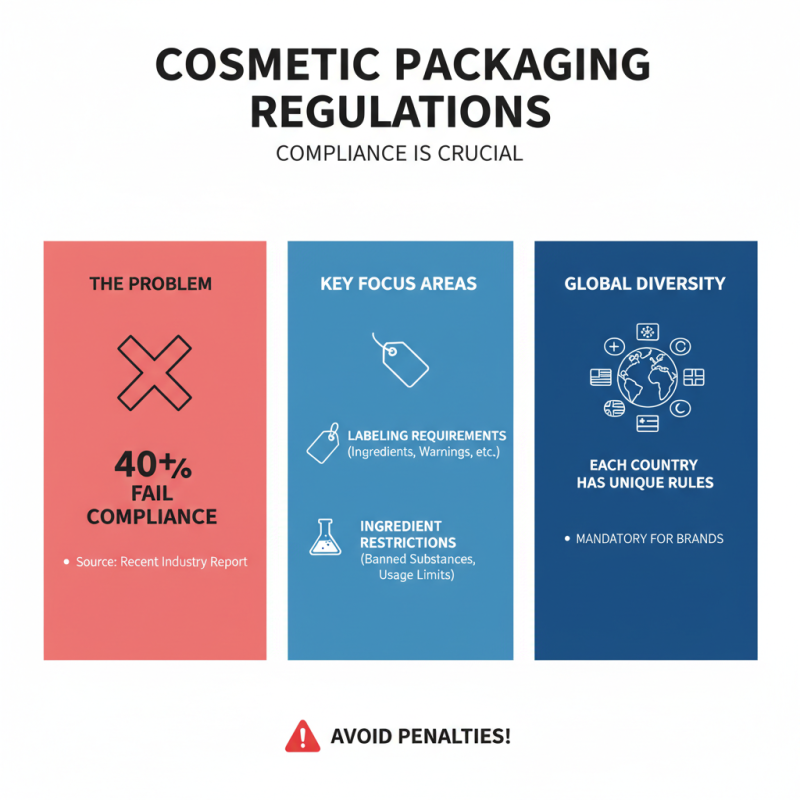
When considering cosmetic packaging, regulatory guidelines must be prioritized. A recent report indicates that over 40% of cosmetic products fail to meet compliance standards. This statistic highlights the importance of understanding local regulations, including labeling requirements and ingredient restrictions. Each country has unique guidelines that brands must follow to avoid penalties.
Packaging also plays a role in consumer safety. The FDA emphasizes that packaging should not react with product ingredients. For instance, using certain plastics can lead to chemical leaching. Such issues have resulted in recalls, prompting brands to rethink their material choices. Ensuring that packaging is safe and compliant is not just about law; it's about protecting consumers.
Sustainability is becoming a regulatory focus. A study shows that 65% of consumers prefer eco-friendly packaging. Brands may soon face regulations encouraging sustainable practices. Packaging that is recyclable or biodegradable will likely become necessary. Companies must adapt to these trends or risk losing market share. Balancing compliance, safety, and sustainability is a complex challenge for the cosmetic industry.

 Skip to content