How to Choose the Best Freeze Dried Cat Food for Your Pet?
Choosing the best Freeze Dried Cat Food is crucial for your pet's health. Recent reports indicate that over 50% of pet owners consider nutrition as a top priority in their purchasing decisions. Freeze dried cat food offers a convenient way to provide high-quality nutrition. This type of food retains most of the original nutrients, making it a popular choice among cat owners.
However, not all freeze dried cat foods are created equal. A study by the Association of American Feed Control Officials (AAFCO) found that some brands lack essential vitamins and minerals. It’s important to scrutinize ingredient lists and nutritional information. Cats require a balanced diet, and choosing the wrong food can affect their overall health.
Moreover, personal preferences play a role. Some cats may not enjoy the texture of freeze dried products. Observe your feline friend’s reactions and adjust accordingly. Selecting high-quality freeze dried cat food involves a balance of research and understanding your pet's unique needs.
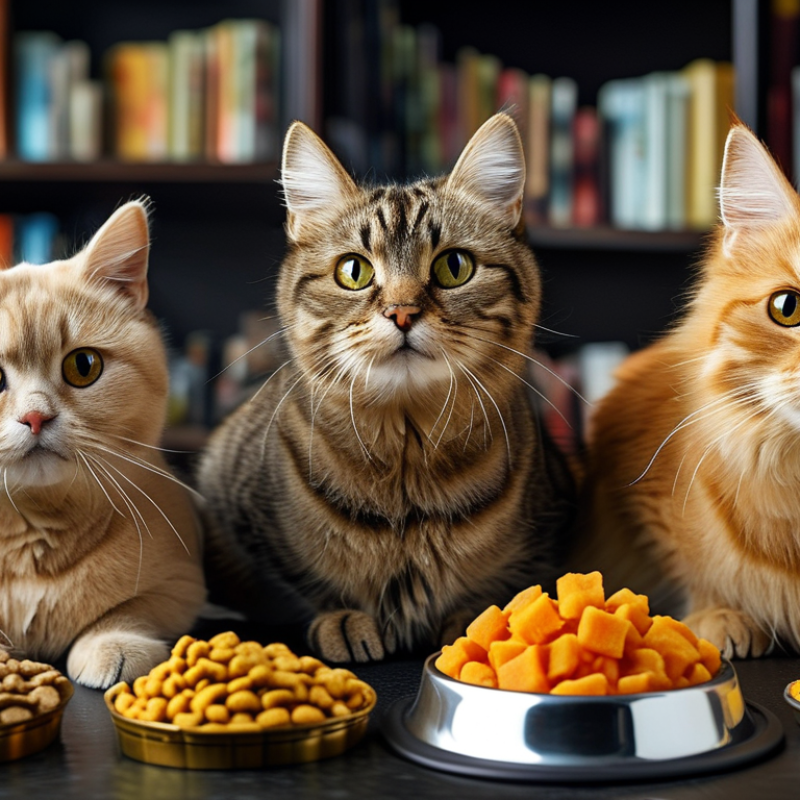
Factors to Consider When Choosing Freeze Dried Cat Food
When selecting freeze-dried cat food, several factors should be taken into account. Remember, your cat's health and preferences are paramount. Check the ingredient list. Look for high-quality protein sources as the first ingredient. Cats are obligate carnivores, so their diet should reflect that. Avoid fillers like corn and wheat, which offer little nutritional value.
Consider your cat’s age and activity level. Kittens have different needs than adult or senior cats. An active cat may require more calories and protein. If you're unsure, consult a veterinarian. They can provide tailored guidance based on your cat's unique requirements.
Tips: A gradual introduction of new food is vital. Mix freeze-dried food with your cat's current diet over a week. This helps prevent digestive issues. Also, observe your cat’s reaction. Watch for any signs of allergies or dislike. Adjust the recipe accordingly, as not every flavor will suit your cat's taste. Keep the food stored in a cool, dry place to maintain freshness.
Choosing the Best Freeze Dried Cat Food: Key Nutritional Factors
Nutritional Benefits of Freeze Dried Food for Cats
Freeze-dried cat food offers unique nutritional benefits. This method retains essential nutrients better than many traditional options. The process involves removing moisture while locking in flavors and vitamins. As a result, your cat gets more from each bite.
One significant advantage is protein content. Freeze-dried food often contains higher levels of real meat. Cats need protein for energy and healthy muscles. Additionally, the hydration process means less filler ingredients. Fewer fillers result in a diet closer to what cats would naturally eat.
However, not all products are created equal. Some may lack added vitamins and minerals important for a balanced diet. Always check the ingredient list and nutritional analysis. Be mindful of changes in your cat’s behavior after introducing new food. Observing your pet can provide invaluable feedback on their dietary needs.
Understanding the Moisture Content in Freeze Dried Cat Food
When selecting freeze-dried cat food, understanding moisture content is crucial. Moisture plays a key role in the overall quality and nutritional value. Generally, freeze-dried foods contain less than 10% moisture content. This process removes water, making food lightweight and shelf-stable. However, too low moisture can affect palatability. Cats may find drier foods less appealing.
Consider the rehydration aspect as well. Some freeze-dried foods require adding water before serving. This step can enhance taste and texture, making meals more enjoyable. Cats, being obligate carnivores, often prefer moist food. If your cat refuses to eat, it might be a sign that the freeze-dried option isn’t suitable. Look for foods with moderate moisture content for better acceptance.
Finding the right balance is essential. Some freeze-dried foods may advertise high protein but lack sufficient moisture. A lack of hydration in their diet can lead to urinary issues. Always read the nutritional labels carefully. Researching each product thoroughly can aid in making an informed decision. Focus on how the moisture levels impact your cat's eating habits and overall health.
Common Ingredients to Look for in Quality Freeze Dried Cat Food
When selecting freeze dried cat food, the ingredient list is crucial. Quality food typically features real meat as the primary ingredient. Cats are obligate carnivores, meaning their diet should be rich in protein. Look for chicken, turkey, or fish listed first. This signals a protein-heavy formulation.
Other important ingredients include fruits and vegetables. Ingredients like sweet potatoes, peas, or blueberries provide essential vitamins. They enhance the nutrient profile of the food. However, some formulas may add fillers. These are less beneficial and can lead to digestive issues. Reflect on the ingredient list carefully.
Avoiding artificial additives is essential. Preservatives and coloring agents often appear in lower-quality products. These chemicals can harm your pet’s health over time. Focus on foods that prioritize natural preservation methods like vacuum sealing. A few brands might boast premium ingredients but still contain harmful additives. Understanding the ingredients is key to ensuring your pet's well-being.
How to Choose the Best Freeze Dried Cat Food for Your Pet?
| Ingredient | Benefits | Source | Quality Indicator |
| High-Quality Protein | Supports muscle development and repair | Chicken, Fish, Beef | Animal Meal & Whole Sources |
| Omega Fatty Acids | Promotes healthy skin and coat | Fish Oil, Flaxseed | Contains EPA and DHA |
| Fruits and Vegetables | Rich in vitamins and antioxidants | Blueberries, Spinach, Carrots | Whole Food Sources |
| Probiotics | Supports digestive health | Lactobacillus, Bifidobacterium | Guaranteed Live Probiotics |
| Natural Preservatives | Ensures safety and freshness | Tocopherols, Rosemary Extract | No Artificial Additives |
Comparing Cost-Effectiveness of Freeze Dried vs. Traditional Cat Food
When comparing freeze dried cat food to traditional options, cost-effectiveness is crucial. A comprehensive report from the Pet Food Institute reveals that freeze dried foods may have a higher upfront cost, but they often provide better nutrition per serving. This is because they retain more natural nutrients during processing. Many pet owners might overlook this aspect, focusing solely on the price per bag.
Freeze dried cat food typically features concentrated protein and fewer fillers. Reports indicate that such food can lead to better digestibility, which saves owners money on potential vet bills over time. However, not all freeze dried options are created equal. Some brands may have inflated claims, and it’s important to assess ingredient quality and sourcing.
Tips for selecting the right freeze dried cat food include checking for AAFCO certification to ensure nutritional adequacy. Consider incorporating a diverse diet by rotating between freeze dried and traditional options. This can provide your cat with balanced nutrition while potentially reducing costs. Always monitor your pet’s health when making a transition.

 Skip to content