How to Choose the Best Kraft Boxes for Your Packaging Needs?
Choosing the right kraft boxes for your packaging needs is crucial for both aesthetics and functionality. The global kraft paper market is projected to reach $18 billion by 2024, reflecting a growing demand for sustainable packaging solutions. This rise is driven by consumers who prioritize eco-friendly materials. According to packaging expert, Dr. Emily Green, "Kraft boxes not only provide durability but also resonate with consumers' values for sustainability."
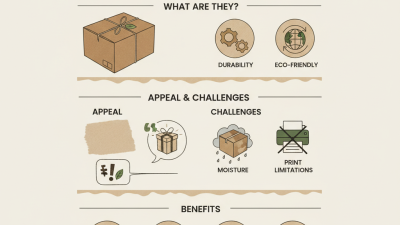
Kraft boxes offer versatility in design and application. They can be customized for various products, from food items to electronics. However, brands must assess their needs carefully. Not every kraft box fits every product perfectly. Additionally, these boxes can sometimes present challenges in terms of moisture resistance. Companies often overlook these details, leading to packaging failures. Overall, weighing the benefits against potential drawbacks is essential in the selection process.
Understanding your packaging needs requires careful consideration of kraft box options. The wrong choice can affect brand image and product safety. A study revealed that 70% of consumers form opinions about brands based on their packaging. Investing in the right kraft box may require more thought, but the long-term benefits are undeniable.
Factors to Consider When Selecting Kraft Boxes for Packaging
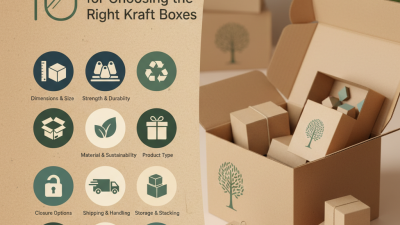
When selecting the right kraft boxes for your packaging, consider several key factors. The size of the box is crucial. It should fit your products snugly but not be too tight. A perfect fit enhances protection during transport. Measure your items carefully. Don't forget about the box's weight capacity. It needs to support your products without bending or breaking.
Next, think about the environmental impact. Kraft boxes are recyclable and biodegradable. This makes them a great choice for eco-friendly brands. However, not all kraft boxes are created equal. Some may use more chemicals in the printing process. Look for options that emphasize sustainability in their production.
Here are some tips to help you choose wisely:
1. Check the box’s thickness. A thicker box usually means better durability.
2. Look for customizable options. Personalized boxes can enhance brand recognition.
3. Keep aesthetics in mind. The box's appearance can attract customers. Use colors and designs that resonate with your brand.
These details matter. It might take time to find the right box, and that's okay. Reevaluate your choices based on feedback. Adapt your selection as your business needs change.
How to Choose the Best Kraft Boxes for Your Packaging Needs?
| Factor |
Description |
Importance |
| Material Quality |
Ensure the kraft box is made from high-quality materials for durability and protection. |
High |
| Size |
Select an appropriate size that fits your product snugly to minimize movement during shipping. |
Critical |
| Customizability |
Opt for boxes that can be customized in terms of color, print, and design. |
Moderate |
| Sustainability |
Consider eco-friendly kraft options that are recyclable and biodegradable. |
High |
| Cost |
Evaluate the cost-effectiveness of boxes without compromising on quality. |
Important |
| Ease of Assembly |
Choose boxes that are easy to assemble, saving time and labor costs. |
Moderate |
| Shipping Compatibility |
Ensure the box complies with shipping regulations and can withstand shipping conditions. |
High |
Types of Kraft Boxes Available for Different Packaging Needs
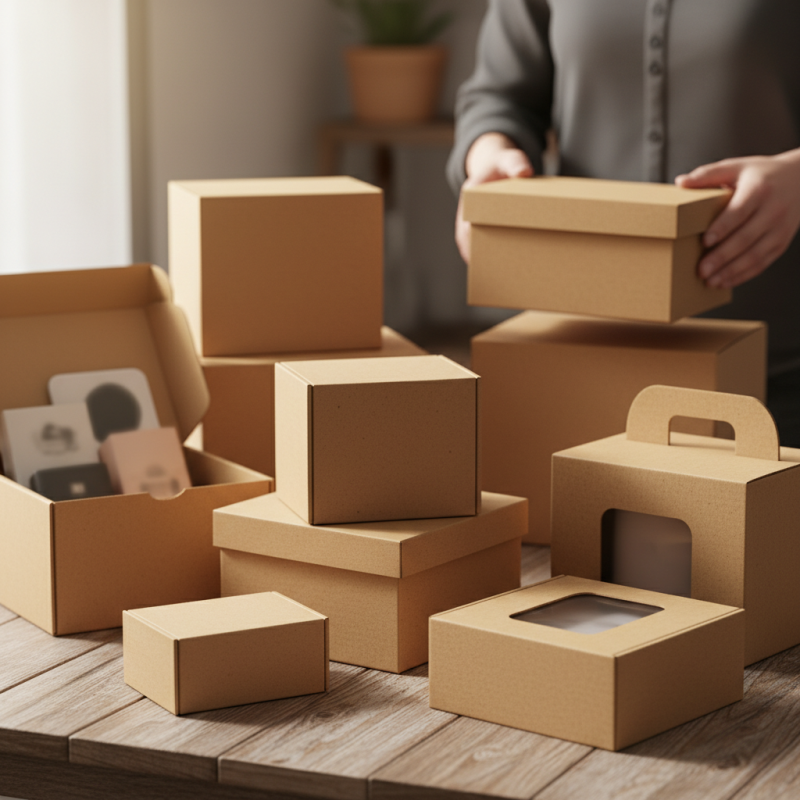
When selecting kraft boxes for packaging, understanding the types available is crucial. There are various styles designed to meet different needs. For instance, a regular slotted container is versatile and commonly used. It's simple yet effective for many products.
Another option is the foldable box, ideal for smaller items. These boxes are easy to store and assemble. Their lightweight nature makes them cost-effective for shipping. However, they may lack the sturdiness of other types. Consider the materials used as well; some may not be as eco-friendly as expected.
Rigid boxes provide extra protection and are perfect for delicate items. They convey luxury, but can be more expensive. Watching your budget is essential. In contrast, window boxes allow visibility of the product while remaining secure. The variety of choices can feel overwhelming. Take your time to assess what truly meets your packaging requirements. Test a few types before deciding.
Understanding the Strength and Durability of Kraft Box Materials
Kraft boxes are widely recognized for their strength and durability. The raw material, made from wood pulp, naturally possesses excellent tensile strength. According to a recent study, 80% of consumers prefer eco-friendly packaging. Kraft boxes meet this demand without sacrificing sturdiness. They can withstand significant weight and pressure, making them ideal for various products.
Research shows that unbleached kraft paper provides better resistance to tearing and moisture. This durability is crucial for items that require extra protection during transit. Interestingly, the compression strength of kraft boxes often exceeds that of standard corrugated options. Many businesses overlook this aspect, leading to potential packaging failures.
Even though kraft boxes are strong, they are not impervious. Some users report issues with sealing. Proper sealing methods can mitigate this weakness. It's important to experiment with different adhesives. Inconsistent testing can reveal flaws that may impact product safety. Thus, understanding kraft material's limitations can lead to better packaging choices.
Comparative Analysis of Kraft Box Strength and Durability
Customizing Kraft Boxes: Design Options and Features
When choosing Kraft boxes, design plays a crucial role. Many features can enhance their appeal. Options like
window cut-outs offer a glimpse of the product inside. You might also consider adding unique textures or finishes.
A matte finish can give a sophisticated feel, while gloss can attract attention.
Tips: Choose colors that reflect your brand. The right color can create an emotional connection.
Customization also extends to size and shape. Ensure the dimensions fit your product snugly. Overly spacious boxes can lead to damage during transport. Think about adding
custom printing. Your logo can elevate the box's look. Remember, a simple design can also make a strong statement.
Tips: Use eco-friendly inks. They align with sustainable practices.
Consider the purpose of the packaging too. Is it for gifting, shipping, or retail display? Each scenario may benefit from different features. Reflect on what message you want to send.
A well-designed box can communicate quality and care.
Cost-Effectiveness: Balancing Quality and Budget for Kraft Boxes
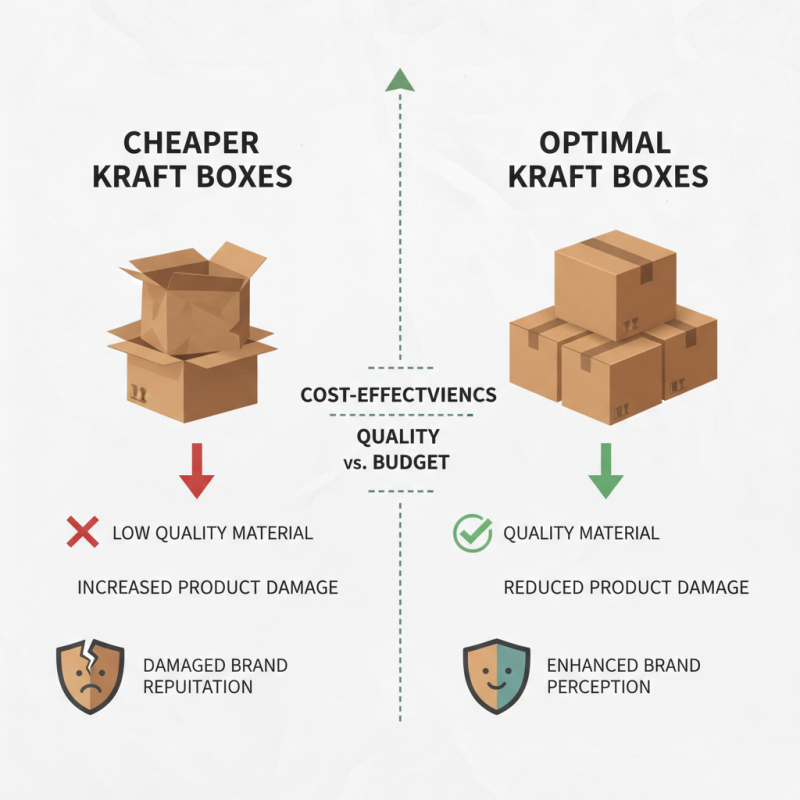
When selecting Kraft boxes, cost-effectiveness plays a crucial role. It's essential to find the right balance between quality and budget. Choosing cheaper boxes might save money initially. However, low quality can lead to damaged products. This can ultimately harm your brand’s reputation.
Investing in high-quality Kraft boxes might seem expensive upfront. But durable packaging can reduce returns and increase customer satisfaction. Consider your products carefully. Fragile items require sturdier packaging. Those boxes protect your goods better during shipping. Calculate the long-term savings from fewer returns.
Think about the materials you choose. Some Kraft boxes offer eco-friendly options, which can appeal to environmentally conscious customers. If you’re not careful, you could overspend on fancy designs. Simple, functional boxes can be very effective. Remember, finding the best Kraft boxes is a balancing act involving both quality and costs.
 Skip to content