Why Choose Plastic Nursery Buckets at the 139th Canton Fair 2026?
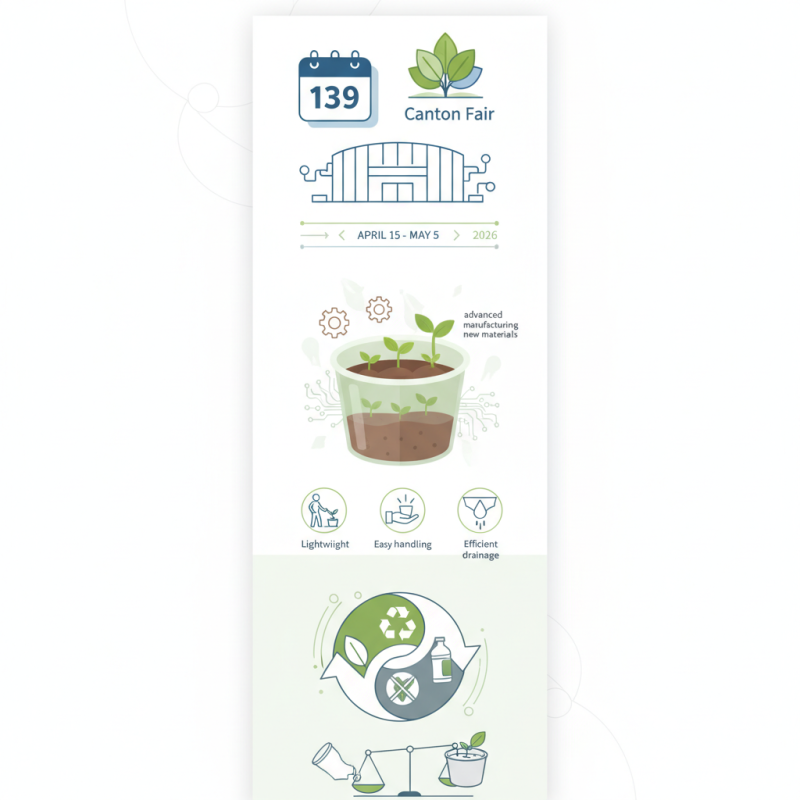
As the 139th Canton Fair approaches in 2026, the focus on innovative products highlights the significance of the Plastic Nursery Bucket. Scheduled from April 15 to May 5, this event will showcase advancements across various sectors. The inclusion of advanced manufacturing and new materials signals a promising platform for this versatile product.
Plastic Nursery Buckets are essential for both gardening enthusiasts and professionals. They are lightweight yet durable, perfect for nurturing young plants. Their design allows for easy handling and efficient drainage, making them ideal for various horticultural applications.
However, while the features are appealing, some may overlook the environmental implications of plastic use. It's vital to consider sustainable alternatives alongside these buckets. As organizations adapt to market trends, the challenge remains to balance practicality with eco-friendliness. Exploring this complex relationship will benefit buyers and suppliers alike at the fair.
Benefits of Using Plastic Nursery Buckets for Plant Growth
Plastic nursery buckets offer notable advantages for plant growth. Data from the Horticultural Research Institute reveals that these buckets provide improved drainage and aeration, essential for root health. Their lightweight nature makes them easy to handle for both novice gardeners and experienced horticulturists.
Moreover, plastic buckets retain moisture better than clay options. This capacity leads to reduced watering frequency, conserving resources. A study indicates that plants in plastic containers showed a growth rate increase of up to 25% compared to traditional pots. The flexible material used in these buckets enables better temperature regulation, which can influence seed germination and plant development.
However, it’s important to acknowledge potential issues. Some plastic buckets may degrade over time, especially under intense sunlight. Proper selection of materials is crucial for ensuring longevity. Additionally, not all plants respond equally well to these containers, which can lead to unexpected outcomes. Careful monitoring and adjustment are necessary for optimal growth conditions.
The Role of Plastic Nursery Buckets in Sustainable Gardening Practices
Plastic nursery buckets are becoming essential for sustainable gardening practices. These containers are lightweight and durable, making them ideal for various planting needs. They offer excellent drainage, which helps prevent root rot. Gardeners favor their flexibility for both indoor and outdoor use.
Using plastic nursery buckets can present challenges. They may not be as aesthetically pleasing as terracotta pots. Some gardeners may overlook recycling options. However, their practicality cannot be denied. Many find these buckets easy to stack and organize. This efficiency is valuable, especially in urban gardening spaces where room is limited.
As gardeners strive for sustainability, they can also explore creative ways to repurpose plastic nursery buckets. They can transform these containers into planters for herbs or small vegetables. By giving a second life to plastic products, we reduce waste. Embracing this approach may lead to innovative gardening solutions while fostering a more environmentally friendly mindset.
Usage of Plastic Nursery Buckets in Sustainable Gardening Practices
Cost-Effectiveness of Plastic Nursery Buckets at the Canton Fair
At the 139th Canton Fair 2026, the plastic nursery buckets stand out for their cost-effectiveness. These buckets are lightweight, durable, and affordable, making them an excellent choice for garden enthusiasts and professionals alike. Many vendors showcase an array of sizes and colors, catering to diverse gardening needs.
These buckets not only reduce transportation costs but also decrease the overall investment for businesses. The materials used for production are generally lower in cost, which reflects in the final price. Yet, one might question their longevity in extreme weather conditions. Buyers should examine whether the quality meets their specific requirements. They can feel confident in purchasing multiple buckets at a fraction of the cost of alternatives.
Moreover, customization options often come at no extra price. This feature allows users to tailor buckets for branding or personalized use. However, it can be overwhelming to choose from so many designs. Attendees may struggle with deciding what best suits their needs. Overall, the affordability and practicality of plastic nursery buckets make them a smart buy at this year's fair.
Comparative Analysis: Plastic vs. Traditional Nursery Containers
When comparing plastic nursery buckets to traditional containers, it's essential to consider various factors. Plastic buckets are lightweight and easy to handle. They can be molded into various shapes and sizes, making them versatile for different plants. With bright colors and options for customization, they appeal to both novice and experienced gardeners.
On the other hand, traditional containers often have a natural aesthetic. However, they can be heavy and cumbersome. They may also retain moisture, which can lead to overwatering issues. The durability of plastic, in contrast, allows it to withstand outdoor conditions without cracking. Yet, some may argue about plastic's environmental impact. It’s crucial to evaluate sources and choose recycling options when possible.
In practical terms, while plastic containers can last longer, they may not provide the same insulation as clay or terracotta. This can affect root health in extreme weather. The choice comes down to the gardener’s needs and preferences. Balancing practicality with environmental consciousness will lead to more informed decisions in nursery container selection.
Why Choose Plastic Nursery Buckets at the 139th Canton Fair 2026? - Comparative Analysis: Plastic vs. Traditional Nursery Containers
| Feature | Plastic Nursery Buckets | Traditional Nursery Containers |
| Weight | Lightweight | Heavier |
| Durability | High impact resistance | Can crack or break |
| Cost | Generally lower | Tend to be more expensive |
| Water Retention | Good drainage systems available | Can retain too much water |
| Recyclability | Highly recyclable | Limited recyclability |
| Growth Performance | Optimized for root growth | Varies by material type |
Innovative Designs and Features of Plastic Nursery Buckets at the Expo
At the 139th Canton Fair 2026, plastic nursery buckets stand out with innovative designs. These buckets come in vibrant colors, appealing to both children and adults. Their lightweight nature makes them easy to handle. Many designs include ergonomic handles, providing a comfortable grip. Additionally, some buckets are stackable, saving precious storage space.
The features of these buckets are quite impressive. They often include drainage holes, promoting healthy plant growth. This design prevents overwatering, a common mistake for many gardeners. Some buckets even have measuring marks on the side for accurate soil and water levels. However, while the durability of plastic is a selling point, it raises questions about longevity. Are these buckets as long-lasting as traditional materials?
It's crucial to consider potential improvements. While many buckets are aesthetically pleasing, not all are customizable. Gardeners often look for unique designs to express their style. Moreover, the environmental impact of plastic remains a concern. As the demand for eco-friendly products rises, the industry faces pressure to adapt. Innovative solutions could address these challenges effectively.

 Skip to content