Top Tips for Choosing the Best Apparel Boxes for Your Needs?
Choosing the best apparel boxes is crucial for brands aiming to enhance their presentation and protection. According to a report by Smithers Pira, the global packaging market for apparel is projected to reach $30 billion by 2025, underlining the importance of quality packaging. As noted by industry expert Jane Doe, "The right apparel box not only protects your products but also tells your brand story."
Apparel boxes come in various styles, sizes, and materials, optimizing both functionality and aesthetics. Brands should consider options that convey their identity while ensuring durability. For instance, custom designs can include eco-friendly materials, which resonate with environmentally conscious consumers. However, striking a balance between cost and quality remains a challenge.
Many brands overlook the significance of the unboxing experience. An innovative design can spark excitement in customers. Some companies fail to invest in this crucial element, missing out on potential brand loyalty. Simply choosing any box may lead to disappointment. Remember, the right apparel box can elevate even a simple garment. Reflecting on the box's role in your marketing strategy is essential for success.

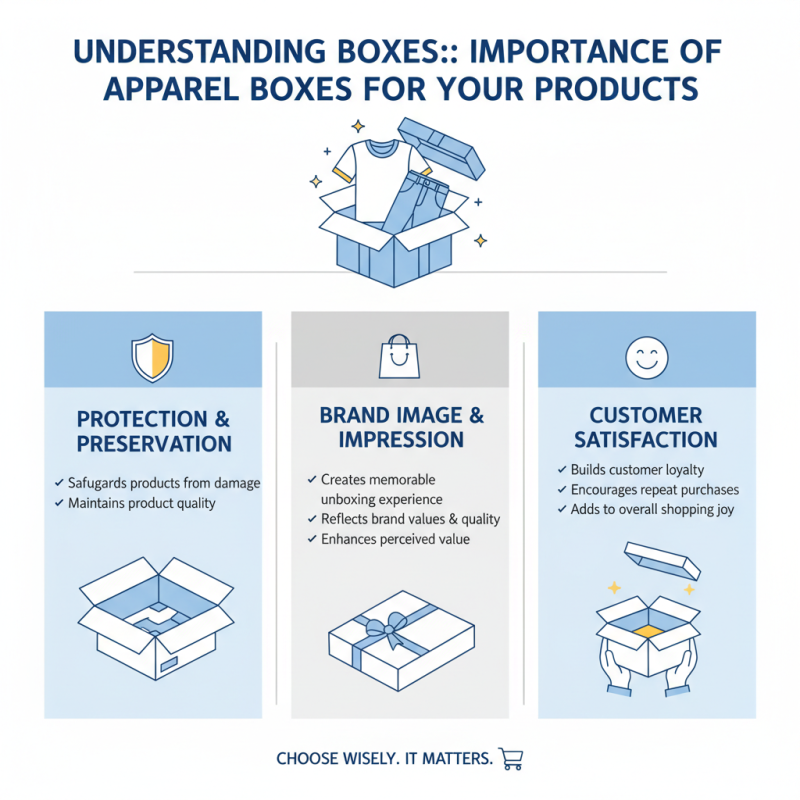
Understanding the Importance of Apparel Boxes for Your Products
Choosing the right apparel boxes is vital for any business. Apparel boxes protect your products. They create a first impression for your customers. A well-designed box can enhance the overall shopping experience. It’s essential to understand their importance.
When selecting boxes, consider customization. A unique design can reflect your brand's identity. Think about colors, shapes, and materials. These elements play a significant role in catching customer attention. Good quality materials prevent damage during shipping and handling. Therefore, invest in durable packaging.
Another tip is to focus on size. Apparels come in various shapes and sizes. Your box should fit well to avoid extra space. This prevents items from moving around, which can lead to damage. Remember that a poorly fitting box can disappoint customers. It may affect their perception of your brand.
Factors to Consider When Choosing Apparel Box Materials
Choosing the right materials for apparel boxes is crucial.
Cardboard, for instance, is a popular choice. It’s lightweight and recyclable. However, not all cardboard is equal. Thickness matters. Thinner cardboard can lead to weak boxes, risking damage to contents. Consider the grade and type of paperboard when making your selection.
Another material to think about is plastic. It offers durability and moisture resistance. But plastic boxes may not align with eco-friendly practices. They can be less appealing to environmentally conscious customers. Exploring biodegradable options could provide a balanced solution. The look and feel of your box impact customer perception, too. Are customers drawn to sleek plastic or rustic cardboard?
Reflecting on your branding is essential. Choose materials that reflect your brand’s values. Also, think about shipping. The box should protect the garments well. A poorly chosen box can frustrate customers. Assessing all these factors is vital in making a well-informed choice.
Assessing Size and Dimensions for Optimal Fitting
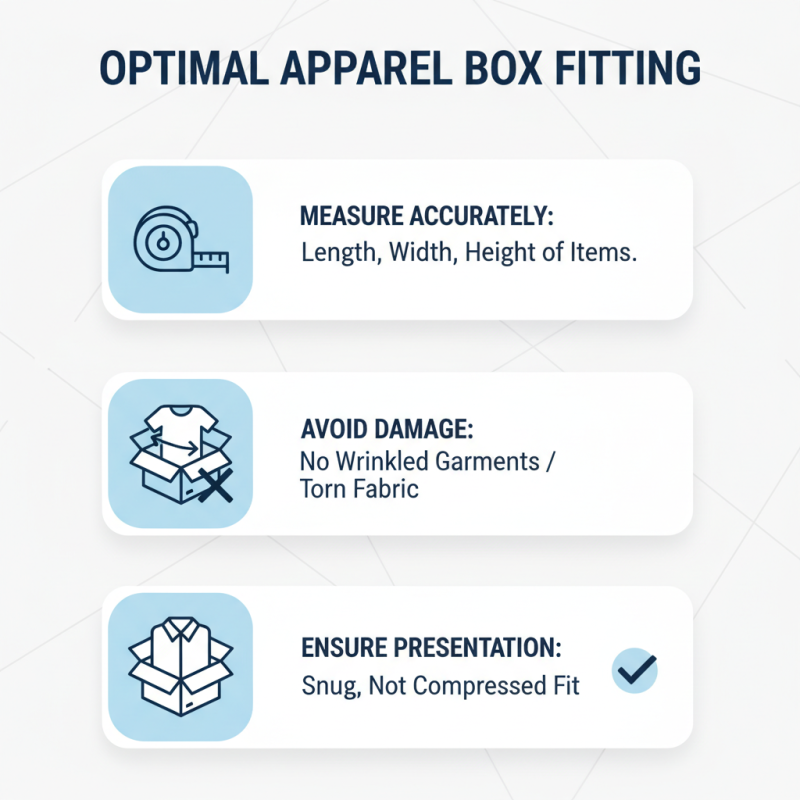
When selecting apparel boxes, size and dimensions are crucial. A well-fitted box avoids damage to your products. An ill-fitting box can result in wrinkled garments or, worse, torn fabric. Assess your items carefully; measure them accurately. Think about the shape, too. A box that is too tight can compress your apparel, leading to an unsightly presentation.
Consider these tips when determining the right size. Take the dimensions of your folded garments or hangers into account. Remember, it's better to go slightly larger than to risk cramming items into a smaller container. An ideal box should provide a snug fit that protects without squishing. Additionally, use cushioning materials to fill any gaps. This keeps everything in place, ensuring a polished look for your customers.
Don’t forget to consider the weight of your items. Lightweight boxes can be tempting but may not provide enough support. Balance between durability and weight is essential. Review your options and adjust as needed. It’s okay if the first choice isn’t perfect; sizing can be a learning process. Learning from past errors will refine your selection strategy over time.
Design and Customization Options for Brand Identity
When selecting apparel boxes, design and customization play a crucial role. Custom packaging helps establish brand identity. According to a report, nearly 72% of consumers say packaging design influences their purchasing decisions. Eye-catching designs can elevate your brand’s recognition. A simple box can transform into a powerful marketing tool.
Here are some tips for your packaging choices: choose colors that align with your brand. Research shows colors can increase brand recognition by up to 80%. Opt for unique shapes to stand out. Customizable prints can further enhance your product’s appeal. Consumers are more likely to remember brands with distinctive packaging.
Think about sustainability too. More than 60% of consumers prefer eco-friendly options. Brands that prioritize sustainability can attract this audience. Reflect on your packaging materials. An unremarkable choice may not convey your brand's values effectively. Make the effort to select the right box. It matters more than you think.
Evaluating Cost-Effectiveness and Budget Constraints
When evaluating apparel boxes, budget constraints cannot be overlooked. The packaging costs can significantly impact your overall budget. A recent industry report noted that packaging costs can make up to 20% of total product expenses. This percentage can vary based on materials and design complexity. For businesses, this means finding a balance between quality and cost is critical.
Consider the material used for these boxes. A study revealed that recyclable materials can reduce costs by up to 30%, while also appealing to environmentally conscious consumers. Choosing eco-friendly options may initially seem pricey. However, over time, they can lead to savings and attract a larger customer base. Customers often prefer brands that value sustainability, potentially boosting sales.
Evaluate your packaging needs regularly. Many businesses fail to assess their requirements. This can lead to overspending on unnecessary features. A streamlined approach can save money. Monitoring trends in the apparel industry can offer insights into cost-effective solutions. It’s essential to seek packaging that aligns with your brand while staying within your financial limits. Making informed decisions today can prevent regrets tomorrow.

 Skip to content