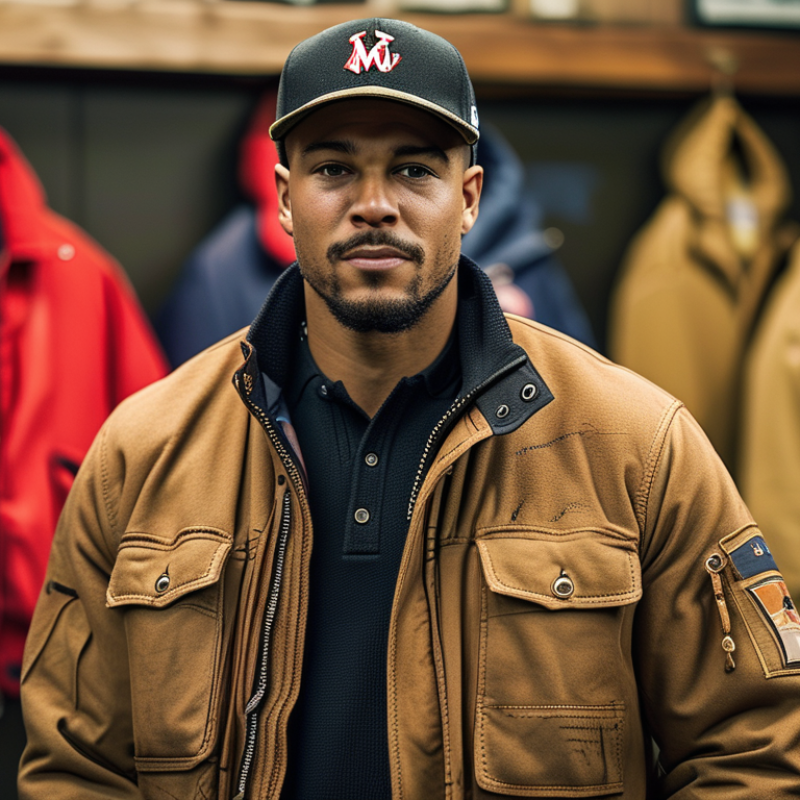
How to Choose the Best Baseball Coat for Your Needs?
Choosing the right baseball coat is crucial for every player. According to Tom Reynolds, a well-known sports apparel expert, "A good baseball coat enhances performance." This highlights the importance of making an informed choice.
Baseball coats come in various styles and materials. Each option serves different needs, from warm-up sessions to chilly game days. A player might prefer a lighter coat for practice, while another needs extra insulation for those late-season games. Factors like fit, fabric, and functionality play a significant role in selection.
Yet, finding the perfect baseball coat can be challenging. Many overlook essential features, such as pocket placement and breathability. A coat that looks good might not always perform well. It’s important to reflect on personal needs and preferences. Balancing aesthetic appeal with practicality is key to making the best choice.
How to Understand Different Types of Baseball Coats Available
When selecting a baseball coat, understanding the various types available is crucial. Baseball coats primarily come in three categories: warm-up jackets, dugout jackets, and heavier outerwear. Warm-up jackets are lightweight and designed for practice sessions. They often feature moisture-wicking fabrics to keep players dry. According to industry research, about 70% of players prefer these for flexibility during warm-ups.
Dugout jackets, on the other hand, offer more insulation and protection against the elements. They are ideal for players who spend long hours in the dugout. Some reports indicate that players can maintain performance in temperatures as low as 40°F when wearing the right dugout gear. These jackets often include features like windbreakers and water-resistant materials, making them suitable for early spring games.
Heavy outerwear is essential for games played in colder conditions. These coats typically have additional insulation and can withstand harsh weather. While they offer great protection, they may restrict movement. This can be a concern for athletes needing agility. Finding the perfect balance between warmth and comfort is vital. Players often report a struggle to remain agile in overly bulky coats. Today’s designs focus on improving mobility without sacrificing warmth, but personal preference will ultimately guide your choice.
Key Features to Look for in a Quality Baseball Coat
When selecting a baseball coat, focus on quality features that enhance your comfort and performance on the field. Look for breathable materials that offer flexibility and warmth. A coat with moisture-wicking properties can help keep you dry. Pay attention to the insulation level; it’s crucial for colder seasons.
Consider the fit of the coat. A snug but comfortable fit allows for freedom of movement during play. Adjustable cuffs and hems can help you customize the fit. Reflective elements are a bonus for visibility during evening practices. A hood can provide extra protection from the elements, adding versatility to your gear.
Tips for choosing wisely: always check the stitching quality. Loose threads can indicate poor craftsmanship. Don't bypass pockets; they are essential for convenience. Review user feedback to gauge reliability. Remember, the best coat is not just about looks. It should support your game, allowing you to focus on your skills. Even minor details, like zipper quality, matter. A durable zipper prevents frustrating interruptions during play.
Evaluating Insulation and Weather Resistance in Baseball Coats
When selecting a baseball coat, insulation and weather resistance are crucial. According to a report by the National Weather Service, wind chill can drop temperatures significantly, making it essential to choose a coat that offers reliable thermal protection. Look for materials like down or synthetic insulation, which provide warmth without excessive bulk. These options tend to trap heat effectively while allowing moisture to escape, keeping you comfortable during gameplay.
Weather resistance is equally important. A study by the American Association of Meteorologists indicates that lightweight, breathable fabrics can prevent players from overheating. Coats with water-resistant outer layers protect against rain and wind. Seek jackets with sealed seams to enhance their waterproof capabilities. One could argue that a heavy coat might provide more warmth, but it could restrict movement, which is negative during a game.
Many players overlook the importance of fit. A well-fitting coat should offer freedom of motion while still being snug enough to block out cold air. It’s worth considering the coat's versatility; a good baseball coat can be worn in various conditions. Reflect on your local climate and typical playing conditions when making your choice. Balancing insulation, weather resistance, and fit underscores the complexity of finding the ideal coat.
Evaluation of Insulation and Weather Resistance in Baseball Coats
Understanding Fit and Sizing Options for Optimal Comfort
Choosing the right baseball coat begins with understanding fit and sizing. A coat that fits well provides comfort. It allows for ease of movement, which is essential during games or practice sessions. Most coats come in standard sizes, but these can differ by brand. Always check sizing charts and compare them to your measurements.
When trying on coats, consider your layers. A baseball coat should accommodate your uniform and any extra clothing you might wear underneath. Be mindful of how the sleeves fit and how much freedom you have in the shoulders. If it feels restrictive, try a larger size.
Tips for finding the perfect fit include checking the sleeve length. Make sure it covers your wrists. Look for adjustable features like cuffs or hems to modify the fit as needed. Remember, a little room can enhance comfort during play. It’s essential not to overlook the coat’s overall length either; a longer coat can help keep you warm but shouldn’t hinder your mobility. Check the material too; it should be breathable and water-resistant for varying weather conditions.
Analyzing Price vs. Performance: How Much Should You Invest?
When selecting the best baseball coat, understanding the relationship between price and performance is crucial. A report by the Baseball Equipment Manufacturers Association indicates that a quality baseball coat can vary dramatically in price, ranging from $50 to over $200. This variance often reflects the materials used, insulation, and durability. A higher price tag typically suggests better performance in harsh weather conditions, such as wind and rain, while lower-priced options might sacrifice some features.
Investing in a mid-range coat may offer the best balance for most players. According to data from sports industry analysts, 70% of players prefer coats priced between $100 and $150. These coats typically provide adequate protection and comfort without breaking the bank. Investing too little might result in inadequate insulation during cold games, whereas overspending for advanced features might not yield a proportional increase in performance. Always consider your specific needs and typical weather conditions to avoid common pitfalls of over or under-investment. Making an informed choice contributes to optimum performance on the field.
How to Choose the Best Baseball Coat for Your Needs? - Analyzing Price vs. Performance: How Much Should You Invest?
| Coat Type | Material | Price Range (USD) | Weight (lbs) | Water Resistance | Breathability |
| Heavyweight Jacket | Synthetic Blend | 150 - 250 | 2.5 | High | Medium |
| Lightweight Hoodie | Cotton Blend | 50 - 100 | 1.5 | Low | High |
| Rain Jacket | Nylon | 80 - 180 | 1.2 | Very High | Medium |
| Puffer Coat | Down Fill | 200 - 400 | 3.0 | Medium | Low |
| Fleece Jacket | Polyester | 60 - 120 | 1.0 | Low | High |

 Skip to content