Top Tips for Choosing the Best Laser Hair Removal Equipment?
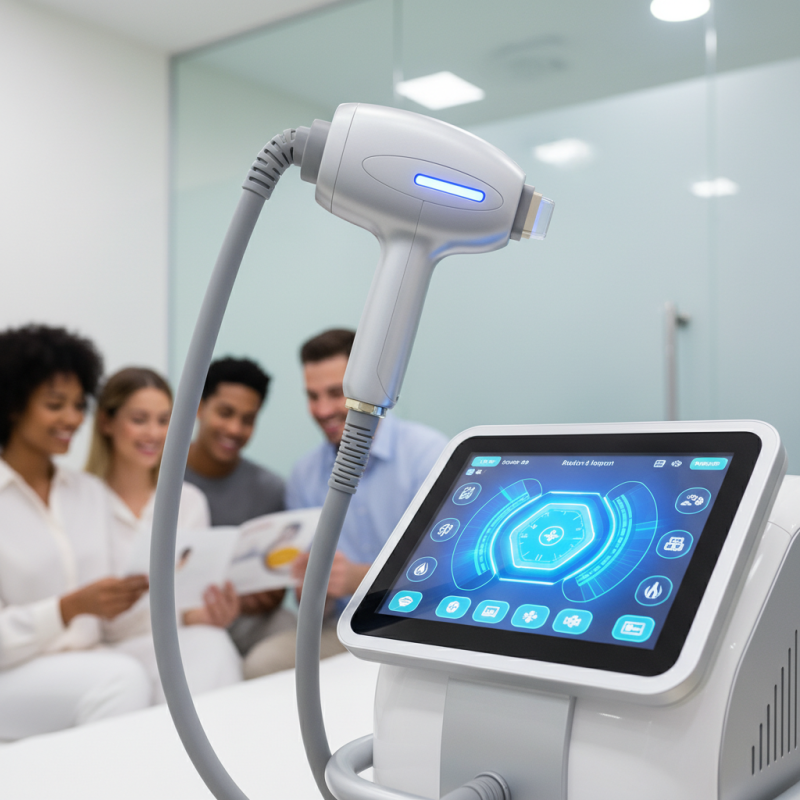
Choosing the right Laser Hair Removal Equipment can be a daunting task. With so many options available, it’s essential to know which features matter most for effective and safe treatments. Recognizing the different technologies, such as diode, alexandrite, and ND:YAG lasers, is crucial. Each type serves various skin tones and hair types, influencing results significantly.
Moreover, the equipment's safety profile is paramount. Look for machines that offer built-in cooling systems to enhance patient comfort. User-friendly interfaces are also essential for operators, ensuring proper usage and minimizing errors. It’s important to consider the reputation of the manufacturer, as well-established brands often provide reliable support and maintenance.
Not all Laser Hair Removal Equipment is created equal. While cost should be a consideration, it shouldn't be the only factor. Cheaper equipment might lack essential features or reliability. Research customer reviews and seek professional guidance. Reflections on personal experiences can help avoid common pitfalls. Ultimately, informed choices lead to successful hair removal treatments and satisfied clients.
Understanding Different Types of Laser Hair Removal Technologies
When it comes to laser hair removal technologies, understanding the differences is crucial for choosing the right equipment. There are three primary types: Alexandrite, Diode, and Nd:YAG lasers. Each type targets hair follicles using varying wavelengths, which can affect efficiency and safety. According to the American Society for Aesthetic Plastic Surgery, laser hair removal accounted for nearly 1.5 million treatments in 2020, demonstrating its growing popularity.
Tips for selecting laser equipment include assessing skin type compatibility. For instance, Alexandrite lasers are best for lighter skin, while Nd:YAG works better for darker skin tones. Always review clinical studies that show particular lasers' efficacy for various hair types. Customer testimonials can also shed light on specific technologies. While results are often promising, some users may experience side effects like skin discoloration or temporary discomfort. Research shows 20% of participants may encounter such issues, highlighting the importance of proper consultation.
Choosing laser hair removal technology demands research and reflection. Understand the potential trade-offs, as less effective methods could lead to repeated sessions. Keep in mind that while modern lasers have advanced significantly, individual responses can still vary widely. Engaging with experienced professionals can help navigate these complexities and improve outcomes.
Key Features to Consider When Choosing Laser Hair Removal Equipment
Choosing the right laser hair removal equipment requires careful consideration. Several key features can greatly influence your selection. The type of laser technology is paramount. Different lasers target various skin types and hair colors. Consider whether you need a diode, alexandrite, or Nd:YAG laser. Understanding their specific uses can help you make a more informed choice.
Another critical aspect is the cooling system. Effective cooling protects the skin during treatment. Look for equipment with integrated cooling mechanisms. This helps reduce discomfort for clients. At times, effectiveness comes at a cost. Machines with advanced cooling options may be pricier. Reflect on your budget and the expected return on investment.
Also, consider the user interface. A user-friendly system saves time and enhances efficiency. Training staff on complex machines can be time-consuming. Machines that offer intuitive controls can reduce the learning curve. However, don’t overlook the importance of thorough staff training, even for simpler equipment. It’s vital to ensure safe and effective use. A well-trained operator can mitigate risks and improve results.
Evaluating Safety Standards and FDA Approval for Laser Devices
When choosing laser hair removal equipment, safety cannot be overlooked. It’s important to evaluate safety standards and check for FDA approval. Devices that receive FDA clearance have undergone rigorous testing. This assures users they meet specific safety and efficacy criteria.
Tips: Always ask for the device’s safety certifications. Research potential side effects of the technology used. Not all lasers are suitable for every skin type. Knowing this can prevent adverse reactions.
Verification of safety standards is crucial. Some devices may seem appealing, but lack proper certifications. Look for transparent information regarding the manufacturer’s reputation. A well-known manufacturer is usually a safer choice. Overall, educating oneself can lead to informed decisions. Partial understanding may lead to regrettable choices. Always be cautious while navigating this complex market.
Assessing Treatment Efficacy and Skin Type Compatibility
Choosing the right laser hair removal equipment requires careful consideration of treatment efficacy and skin type compatibility. Different skin tones respond differently to laser treatments. According to the American Academy of Dermatology, individuals with lighter skin tend to experience better outcomes. Yet, advancements in technology have improved results for darker skin tones as well.
Understanding skin type is essential. The Fitzpatrick scale classifies skin based on melanin levels. For instance, Type I is very fair, while Type VI is deeply pigmented. Studies show that lasers designed for specific skin types can increase efficacy and reduce adverse effects. For example, 80% of patients with light to medium skin reported satisfactory results compared to only 55% for those with darker skin unless the equipment was appropriately adjusted.
Efficacy also varies based on the treatment area. Areas with coarser hair, such as the underarms, may respond more favorably than fine hair on the face. This inconsistency highlights a need for tailored approaches. Industry reports indicate that a one-size-fits-all method can lead to suboptimal outcomes. Therefore, before investing in equipment, it's crucial to assess specific skin characteristics and hair types for realistic expectations.
Determining Budget and Maintenance Costs for Laser Equipment
When selecting laser hair removal equipment, assessing budget and maintenance costs is critical. The initial purchase price can vary widely based on technology and features. Lower-cost options may tempt buyers, but these devices often lack the effectiveness of premium models. Investing more upfront can lead to better results and fewer treatments over time. Consider the longevity of the equipment because it impacts the overall value.
Maintenance costs are equally important. After acquiring the equipment, regular servicing is necessary to keep it functioning properly. Some devices require specialized parts, which can increase expenses. Skipping maintenance might save money now but can lead to higher repair costs later. Training staff to use the equipment efficiently is also essential. Well-trained personnel can reduce mishaps and extend the lifespan of the device, resulting in savings.
It's vital to reflect on the type of service being offered. Are clients willing to pay more for advanced technology? Understanding your target market can refine your budget strategy. Look into potential hidden costs like consumables and electricity usage. Each of these factors plays a role in the overall investment. Balancing quality with affordability requires careful planning and research.
Top Tips for Choosing the Best Laser Hair Removal Equipment
| Feature | Description | Estimated Cost (USD) | Maintenance Frequency |
| Device Type | Alexandrite, Diode, Nd:YAG | $10,000 - $30,000 | Annually |
| Cooling System | Integrated cooling for comfort | $1,000 | Every 6 months |
| Treatment Speed | Speed of hair removal sessions | N/A | N/A |
| User-Friendly Interface | Intuitive controls for operators | N/A | N/A |
| Warranty Period | Coverage for repairs and services | Included in purchase | N/A |
 Skip to content