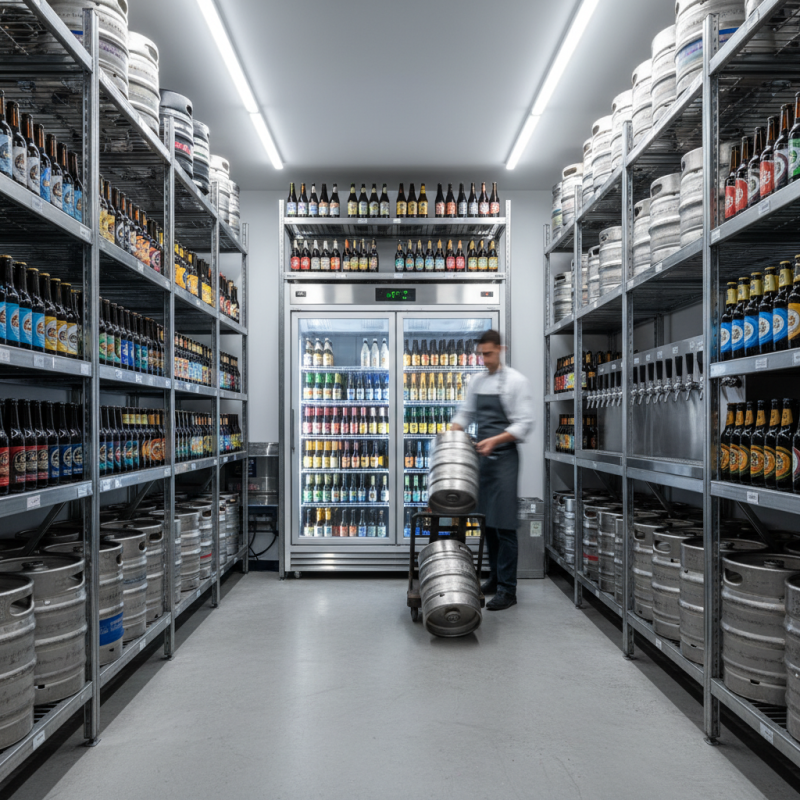
What is Commercial Beer Storage Solutions for Businesses?
In the competitive world of beverage service, efficient storage solutions are essential. Commercial Beer Storage is crucial for businesses that serve beer. It ensures quality, freshness, and accessibility. Proper storage can influence customers' satisfaction and sales.
Investing in the right beer storage equipment is vital. It can elevate your establishment's reputation. Temperature control, humidity levels, and organization are key factors. A refrigerator with adjustable settings can maintain optimal conditions. However, many businesses overlook regular maintenance. This can lead to costly issues and wasted inventory.
Choosing the right storage solution requires careful consideration. Each business has unique needs. The capacity, space, and budget all play significant roles. Reflecting on past experiences can guide better decisions. By prioritizing commercial beer storage, businesses can improve efficiency and customer experience.
What is Commercial Beer Storage?
Commercial beer storage refers to the systems and methods used by businesses to preserve beer quality and freshness. Proper temperature control in storage areas is vital. Most beers should be kept at 45-55°F (7-13°C). This range helps maintain flavor and aroma. If temperatures fluctuate, it might lead to spoilage.
Moreover, storage solutions should prioritize humidity levels. Too much humidity can lead to mold growth, while too little can dry out caps or corks. Businesses often use upright refrigerators or kegerators. These units provide optimal conditions for both draft and bottled beers.
Additionally, light exposure is a critical factor. Light can degrade beer quality, especially for light-sensitive varieties. Therefore, dark storage areas or opaque containers are essential. This aspect often gets overlooked. Many establishments fail to manage light exposure properly. Regular checks and adjustments to storage solutions can significantly enhance beer's shelf life and overall taste.
Types of Beer Storage Solutions for Businesses
Businesses require effective commercial beer storage solutions to maintain quality. Different types of storage systems cater to diverse needs. Understanding these solutions is vital for operational success.
Refrigerated storage is common in bars. It ensures consistent temperatures, protecting flavor. Reports suggest that maintaining a range of 34°F to 38°F is ideal for most beers. Improper temperatures can lead to foaming and spoilage. Some storage units also feature glass doors for easy visibility. This design encourages quick access, improving customer service.
Another solution is the use of kegerators. These units are designed to keep kegs at optimal temperatures. They often include CO2 tanks, which help preserve carbonation. However, they require regular maintenance. Failure to clean lines leads to unpleasant flavors. A study showed that 30% of customers would choose freshly poured beer over canned options. Investing in quality storage can elevate the customer experience significantly.
Some businesses opt for larger walk-in coolers. These facilitate bulk storage and are particularly useful for high-volume operations. While they can be costly, the capacity justifies the investment for many bars and restaurants. Yet, effective inventory rotation remains a challenge. Failing to manage stock can result in waste. Thus, training staff to understand storage solutions is crucial for maximizing efficiency.
Factors to Consider When Choosing Beer Storage
When choosing commercial beer storage solutions, several key factors come into play. Temperature control is crucial. Studies show that beer ideal storage temperature ranges from 45 to 55 degrees Fahrenheit. Any fluctuation can compromise quality. Consistent temperatures promote optimal taste and freshness. It is vital to regularly monitor storage conditions to prevent spoilage.
The storage type impacts beer longevity as well. For example, vertical storage racks optimize space and allow easy access. Conversely, cellar-style storage provides a stable environment. Industry reports indicate that proper isolation from light sources can enhance beer quality. Light exposure can lead to undesirable flavors, particularly in lighter brews.
Space considerations also deserve attention. Businesses must assess their available area. This analysis helps in selecting the right storage solution. Many establishments overlook the importance of airflow. Poor air circulation can lead to stale products. Regular hygiene checks are also necessary. Cleaning storage units ensures a safe environment. Decisions influenced by these factors can prevent waste and enhance profitability.
Benefits of Proper Beer Storage for Businesses
Proper beer storage is crucial for businesses in the beverage industry. Studies indicate that up to 80% of beer quality is affected by storage conditions. Temperature is a key factor. Optimizing beer storage at 38°F to 55°F can help preserve flavor and aroma. For many businesses, achieving this consistent temperature can be challenging.
Investing in specialized beer storage solutions pays off. Proper storage minimizes the risk of spoilage. A loss of just one batch can significantly impact profitability. Research shows that businesses experience a 20% reduction in losses after implementing effective storage practices. Moreover, customers notice the difference. They prefer fresh, well-stored beer over stale alternatives. This preference leads to repeat business and better reviews.
However, many establishments overlook storage needs. Insufficient cooling systems or improper ventilation can compromise beer quality. Additionally, inadequate space can lead to overcrowding and potential contamination. Businesses must regularly assess their storage methods. Periodic audits ensure adherence to best practices. With the right investment and awareness, companies can greatly enhance product quality and customer satisfaction.
Benefits of Proper Beer Storage for Businesses
Best Practices for Maintaining Beer Quality and Freshness
When it comes to storing commercial beer, maintaining quality and freshness is paramount. Temperature control plays a critical role. Ideally, beer should be kept at a steady, cool temperature, typically between 45°F and 55°F. Fluctuations can cause oxidation and spoilage.
Tips: Regularly check and calibrate your refrigerator or cooler. Small changes can significantly affect the beer's flavor. Install thermometers for accurate readings.
Light also impacts beer quality, especially for bottled varieties. Exposure to light can lead to "skunky" flavors. Store beer in dark environments to protect it from UV rays. This is crucial for maintaining its original taste.
Tips: Use opaque or amber bottles to shield against light. If using clear bottles, keep them covered until served.
Lastly, managing inventory is crucial. Beer has a shelf life, and freshness matters. Rotate stock, ensuring older items are sold first. A well-organized storage system keeps beer at its best.
Tips: Label cases with expiration dates. A simple visual cue prevents serving stale beer. Consider periodic audits of stock to ensure optimal freshness.

 Skip to content