Eco Friendly Pharmaceutical Packaging at China Import Export Fair?
As the world increasingly prioritizes sustainability, Eco Friendly Pharmaceutical Packaging is gaining significant attention. The pharmaceutical industry produces over 80 million tons of plastic annually, much of which ends up in landfills. This alarming statistic highlights the urgent need for innovative solutions. Eco-friendly practices can dramatically reduce waste and promote safety.
At the upcoming 139th China Import Export Fair, companies specializing in Eco Friendly Pharmaceutical Packaging will showcase advanced materials. This expo allows businesses to connect with suppliers that meet strict certifications like ISO and CE. In this context, the integration of AI tools enhances the efficiency of vendor selection and navigation.
However, challenges remain. Not all materials branded as eco-friendly are truly sustainable. Transparency in sourcing and recyclability must be addressed. The industry must critically evaluate its practices and push for genuine progress in eco-friendly initiatives. Embracing sustainable packaging can lead to significant shifts in the market, benefiting both the environment and the bottom line.
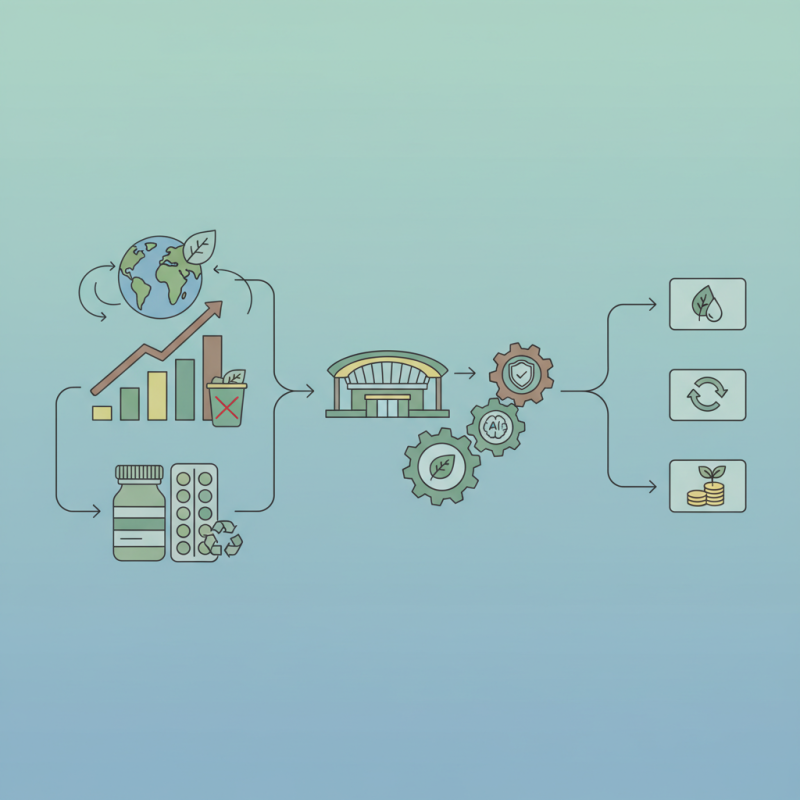
Eco-Friendly Packaging Trends in the Pharmaceutical Industry
The pharmaceutical industry is witnessing a shift towards eco-friendly packaging. Recent studies indicate that over 75% of consumers prefer sustainable packaging options. This trend pushes companies to rethink their packaging strategies. The demand for recyclable and biodegradable materials is on the rise.
One of the biggest challenges is finding suitable materials that maintain product integrity. Many eco-friendly alternatives do not offer the same protection against contamination or degradation. Companies must balance sustainability with efficacy. Reports suggest that investing in greener packaging can enhance brand reputation, but the cost remains a concern for many.
Innovations like plant-based plastics and compostable films are gaining traction. However, not all solutions are equally effective. Regulatory hurdles also complicate the transition. Industry experts emphasize the need for collaboration, as the move toward sustainability is not yet universal. There is still much work to be done to make eco-friendly packaging the norm in pharmaceuticals.
Eco Friendly Pharmaceutical Packaging at China Import Export Fair
| Packaging Type | Materials Used | Sustainability Rating | Recyclability | Market Share (%) |
| Biodegradable Blister Packs | PLA, Starch-based Polymers | A+ | Yes | 15% |
| Recycled Paper Packaging | Recycled Kraft Paper | A | Yes | 25% |
| Cornstarch Containers | Cornstarch-based Materials | A+ | Yes | 10% |
| Glass Bottles | Recycled Glass | A | Yes | 30% |
| Plant-based Tubes | PLA, PHA | A+ | Yes | 5% |
Significance of Sustainable Packaging at Trade Fairs in China
Sustainable packaging is becoming increasingly vital at trade fairs in China. Eco-friendly solutions reduce waste and pollution, which are pressing global issues. During events like the China Import Export Fair, companies showcase their commitment to sustainability. Visitors encounter innovative materials that are biodegradable, recyclable, or sourced from renewable resources.
Many exhibitors use simple designs to emphasize their green initiatives. However, not all options are functional or affordable. Some brands struggle with striking a balance between eco-friendliness and cost-effectiveness. This can lead to compromises that further complicate sustainability efforts.
Attendees are more conscious of their choices. They ask questions about sourcing and production methods. This heightened awareness creates pressure on companies to improve their practices. Yet, not all brands are fully committed to using sustainable materials. The challenge lies in the need for transparency in the supply chain. This ongoing evolution prompts reflection on the genuine impact of these initiatives.
Innovative Materials for Eco-Friendly Pharmaceutical Packaging
The need for eco-friendly pharmaceutical packaging is growing rapidly. Companies are exploring innovative materials to reduce environmental impact. Traditional packaging often generates excessive waste. This trend pushes the industry toward sustainable solutions.
Biodegradable plastics are a promising alternative. Made from renewable resources, they break down naturally. While they can be costlier than conventional plastics, the long-term environmental benefits are significant. These materials may not be perfect yet. Challenges remain in durability and shelf-life.
Recycled materials also offer a viable solution. Packaging made from post-consumer waste can reduce landfill accumulation. However, some consumers remain skeptical about the safety of recycled plastics. Educating the market will be essential. Balancing sustainability with safety remains a priority.
Challenges in Implementing Sustainable Practices in Packaging
The push for eco-friendly pharmaceutical packaging is gaining traction. However, significant challenges remain in implementing sustainable practices. One major issue is the balance between durability and eco-friendliness. Many materials that are biodegradable often lack the strength required to protect delicate medications. This creates a dilemma for manufacturers who prioritize patient safety.
Another challenge is the cost associated with sustainable materials. They are often more expensive than traditional options. Small and medium enterprises may struggle to adopt these practices, facing budget constraints. Additionally, the recycling infrastructure in many regions is still underdeveloped. This complicates the recycling process for pharmaceutical packaging, leading to higher waste levels.
Regulatory requirements also pose hurdles. Compliance with stringent safety standards can limit the options for sustainable materials. Some biodegradable options may not meet these standards. As stakeholders push for greener practices, the industry must reflect on these barriers. Continuous innovation is crucial to overcoming these obstacles and ensuring that eco-friendly packaging becomes a reality.
Future Prospects for Eco-Friendly Pharmaceutical Solutions at Import Export Fair
The demand for eco-friendly pharmaceutical packaging is growing rapidly. According to recent industry reports, the global market for sustainable packaging is expected to reach $500 billion by 2027, driven by increasing consumer awareness. This shift highlights the urgency for pharmaceutical companies to adopt green solutions.
At the China Import Export Fair, stakeholders are eager to explore innovative materials. Biodegradable plastics and recycled materials are prime alternatives. However, challenges persist. Many companies still rely on traditional packaging methods, which contribute significantly to waste. An estimated 75% of pharmaceutical packaging ends up in landfills, raising concerns about environmental impact.
Companies face pressure to innovate. Sustainable practices can reduce their carbon footprint. Yet, balancing costs and efficiency remains a hurdle. While some firms invest in R&D, others lag behind, unsure of the direction to take. Finding a common ground between sustainability and product integrity is crucial. The path ahead requires ongoing dialogue and collaboration across the industry.
Eco-Friendly Pharmaceutical Packaging Trends
This chart illustrates the market interest levels for various eco-friendly pharmaceutical packaging solutions, reflecting the growing trends and preferences observed at the China Import Export Fair.

 Skip to content