What Are Eco Series Mugs and Why Buy Them?
What are Eco Series Mugs, and why are more shoppers considering them? The term usually describes reusable mugs designed with environmental impact in mind. They may use recycled stainless steel, responsibly sourced fibers, plant-based composites, or durable ceramic. However, “eco” is not a universal certification. The label deserves careful checking. A green logo alone proves very little.
In daily use, a well-made mug can replace disposable cups during commutes, office breaks, and weekend walks. Its value depends on more than appearance. A secure lid can prevent spills beside a laptop. Reliable insulation can keep coffee warm through a long meeting. A comfortable handle may matter more than trendy packaging. Buyers should check material disclosures, food-contact information, care instructions, and warranty terms. Reputable manufacturers usually explain these details clearly. Independent testing or recognized environmental certifications can provide additional confidence, when applicable.
Still, sustainability is rarely perfect. A reusable mug requires raw materials, transport, cleaning, and eventual disposal. Frequent washing may also consume water and energy. That does not make the product useless. It means the purchase deserves realistic expectations. A durable mug used for years may offer stronger environmental value than a cheaper cup replaced repeatedly. Yet durability claims should be supported by construction quality, not advertising alone. This guide examines how Eco Series Mugs are made, what their environmental claims may mean, and which practical features deserve attention before buying. Choose evidence over slogans. Small details matter.
What Are Eco Series Mugs?
What Are Eco Series Mugs?
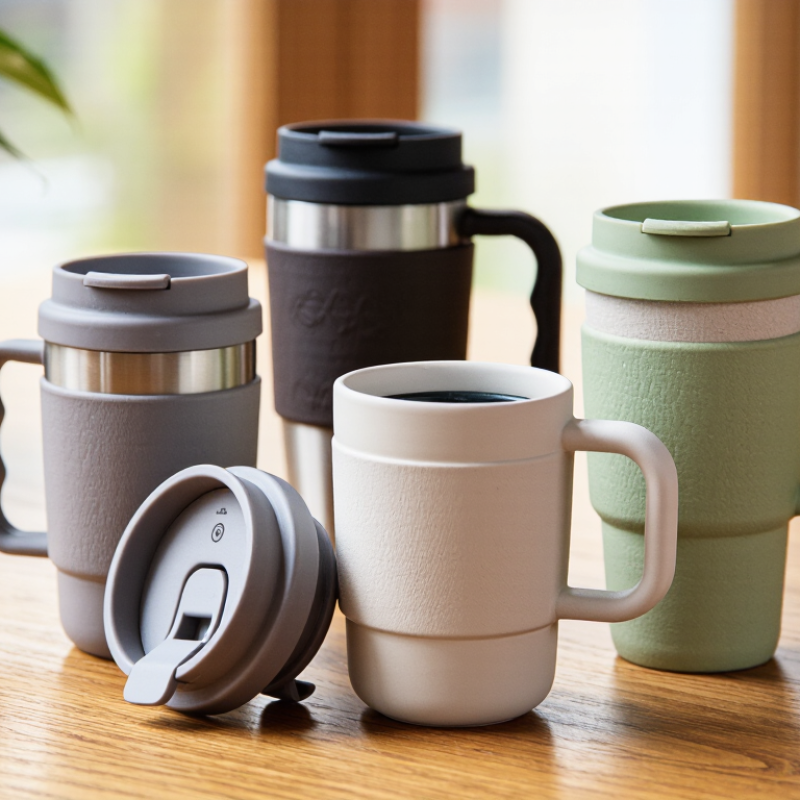
Eco Series Mugs are reusable drink containers designed to reduce reliance on disposable cups. The term is not a universal certification. It usually describes mugs made with recycled stainless steel, certified recycled plastic, glass, or responsibly sourced fibers. A credible product should disclose material content, factory standards, food-contact testing, and expected service life.
The environmental value depends on repeated use. The United Nations Environment Programme reported in Turning off the Tap (2023) that reuse systems could reduce global plastic pollution by 30% by 2040. However, one mug does not create that benefit automatically. Life-cycle studies show that washing frequency, water temperature, transport, and replacement rates can change the result. A mug carried daily for years may outperform hundreds of disposable cups. A forgotten mug may not.
Look closely.
Tips: Choose a durable mug with replaceable parts and clear material disclosures. Stainless steel often resists odors and breakage, while glass makes cleaning easier but needs careful handling. Check whether the lid, seal, and body can be separated for recycling. The Ellen MacArthur Foundation notes that reusable packaging systems need enough return or reuse cycles to deliver environmental gains. In practice, convenience matters. If cleaning feels difficult, usage may decline. That uncomfortable detail deserves attention. EPA waste data also shows that packaging remains a major part of municipal waste, so reducing single-use consumption can matter beyond the mug itself.
How Are Eco Series Mugs Made?
Eco series mugs are reusable cups designed with lower-impact materials and production choices. Their value depends less on the word “eco” and more on how they are made. A well-designed mug may use recycled stainless steel, recycled plastic, responsibly sourced fiber, or durable ceramic. Each material carries different environmental costs. The International Resource Panel’s Global Resources Outlook 2024 reports that global resource extraction has tripled since 1970. Material selection matters.
How are eco series mugs made? Manufacturers usually begin by sorting and processing recovered materials. Recycled stainless steel is melted, cast into sheets, and shaped through stamping or spinning. The mug then receives welding, polishing, insulation, and quality testing. Recycled plastic may be cleaned, pelletized, melted, and injection-molded. Fiber-based materials are blended with binders, pressed under heat, and cured. These steps still consume energy and water. The OECD’s Global Plastics Outlook states that plastic waste more than doubled between 2000 and 2019, reaching 353 million tonnes. That figure makes durability more important than attractive packaging. The label is not magic. I still question products that claim sustainability without explaining recycled content or factory conditions.
Tips: Check the material percentage, lid design, and repair options. Choose a mug that can survive daily washing and repeated drops. ISO 14040 and ISO 14044 life-cycle standards can guide credible environmental comparisons. A reusable mug is not automatically greener if it breaks quickly. Use it for years.
What Materials Are Used in Eco Series Mugs?
Eco series mugs can be made from several lower-impact materials, and each choice affects durability, safety, and daily comfort. Recycled stainless steel is common because it is strong, reusable, and resistant to stains. It also keeps drinks warm for longer when paired with double-wall insulation. However, steel mugs may feel heavy, especially during a long commute.
Borosilicate glass offers a clean taste and lets users see the drink inside. It handles heat better than ordinary glass, but it can still break after a hard impact. Some mugs use recycled glass, though the exact percentage should be checked in the product information. Plant-fiber composites may include bamboo, rice husks, or wheat straw mixed with a food-safe resin. They feel light and natural. They are not always fully biodegradable, which is an easy detail to overlook.
Recycled plastic can reduce demand for new petroleum-based material, especially in travel lids or outer shells. Food-grade silicone is often used for seals because it bends without cracking and helps prevent leaks. Cork may appear on sleeves or handles, adding warmth and grip. In my experience, material labels are sometimes vague. “Eco-friendly” alone proves little. Look for clear percentages, testing information, care instructions, and claims about recyclability. A mug that lasts for years may be more responsible than one made from a fashionable material but replaced quickly. That is not a perfect rule. Still, it is a useful way to judge the whole product.
How Should You Choose and Care for an Eco Series Mug?
Choosing an eco series mug starts with your daily routine, not its label. For commuting, select a leak-resistant lid, a secure seal, and a shape that fits your cup holder. Stainless steel is durable and usually resists odors. Ceramic feels comfortable but can chip after a hard fall. Recycled materials may reduce waste, yet their quality still needs checking. Look for clear material details, food-contact testing, and responsible manufacturing information.
Check the mug’s weight before buying. A very heavy cup may stay at home. A narrow opening can make cleaning frustrating. I once chose a stylish mug with a tiny lid opening. It looked practical, but coffee residue collected inside. That was my mistake. Removable parts are easier to inspect and wash. Avoid hidden grooves when possible. A simple design often works better.
Care depends on the material and the maker’s instructions. Rinse the mug soon after use, especially after milk-based drinks. Wash seals separately with a soft brush. Let every part dry fully before reassembly. Do not assume every mug is dishwasher-safe. Repeated heat can weaken some lids and printed surfaces. Avoid harsh scouring pads. They may create scratches where residue remains. Check for cracks, loose seals, or unusual odors each week. Replace damaged parts promptly, even when the cup still looks usable.

 Skip to content