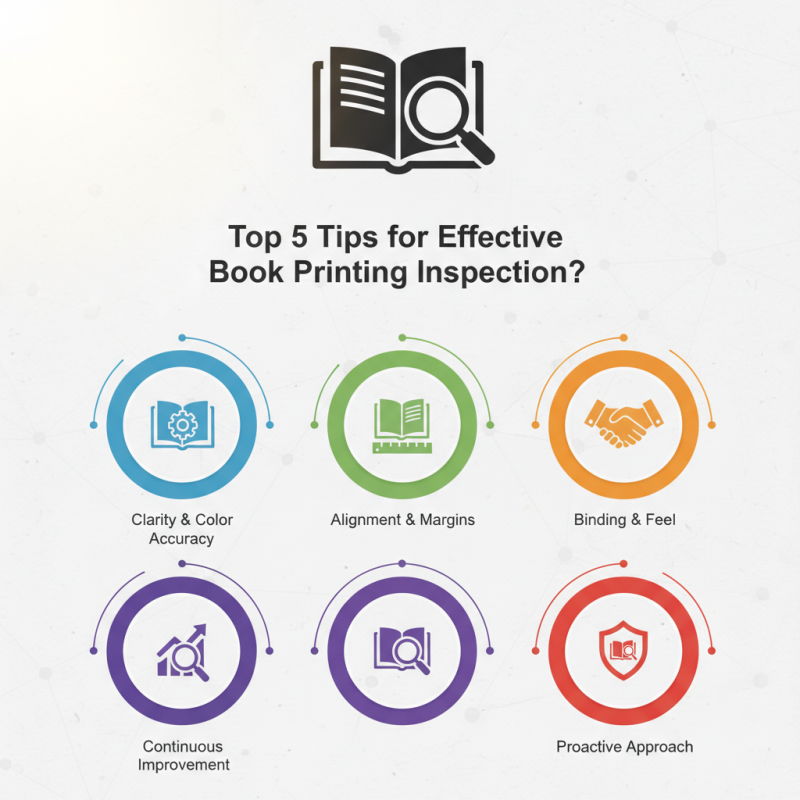
Top 5 Tips for Effective Book Printing Inspection?
In the world of publishing, "Book Printing Inspection" plays a crucial role in ensuring high quality. Authors and publishers invest time and resources to create beautiful books. Yet, flaws can still sneak in during printing. This process must be carefully monitored to catch any errors early.
Inspecting printed books involves checking for clarity, color accuracy, and alignment. Small issues, like smudges or incorrect margins, can ruin an otherwise great book. Additionally, it is essential to assess the overall feel and strength of the binding. These details can enhance or detract from a reader's experience.
Effective inspection isn't just about finding faults; it’s also about continuous improvement. Reflecting on past inspections can help identify recurring problems. Embracing a proactive approach is key to achieving excellence in book printing. Every book deserves to be presented flawlessly.
Understanding the Importance of Book Printing Inspection
When it comes to book printing, inspection is crucial. It ensures that the final product meets quality standards. Any flaws in printing can affect readability and overall appeal. A small error, like a misaligned page, can ruin the reader's experience.
One essential tip for effective inspection is to check color accuracy. Colors should match the design specifications closely. If there are discrepancies, it could signal a problem in the printing process. Look for issues like fading or smudging.
Another tip is to examine the binding. Poor binding can lead to pages falling out. This not only diminishes the book's quality but also its longevity. Inspecting the spine for cracks or weak points can save future headaches. Inspecting every detail is key.
Key Steps in Preparing for Book Printing Inspection
Book printing inspection is crucial for ensuring quality. Preparation is key. Begin by gathering all relevant documents. These may include proofs and specifications. Inspectors need clear guidelines. This will help reduce misunderstandings during the inspection.
One industry report indicates that nearly 30% of books fail to meet quality standards due to improper inspection processes. It's essential to use a checklist. This checklist should cover aspects like color accuracy, papеr quality, and binding consistency. Pay attention to details. A slight misalignment in pages can lead to significant issues.
Engaging in mock inspections is also beneficial. This practice can reveal weak points in your approach. Remember, a checklist is not foolproof. Inspectors should be open to feedback. Adjustments may be necessary based on previous inspections. Quality is an ongoing journey.
Top 5 Tips for Effective Book Printing Inspection
Essential Tools for Effective Book Printing Quality Control
In the world of book printing, quality control is paramount. A recent industry survey revealed that nearly 70% of print defects occur during the production phase. Effective inspection tools can significantly impact the final product's quality. Using tools like color measurement devices and spectrophotometers offers precise color control, which is crucial. These devices help ensure that the printed colors match the original design.
Additionally, software solutions for print inspection are becoming indispensable. Many companies report that automated quality control can reduce errors by up to 50%. Manual checks are prone to oversight. Inspectors sometimes miss minor flaws, which can lead to poor customer satisfaction. Incorporating digital inspection tools helps manage this issue, allowing for a thorough review without the human error factor.
However, it’s essential to recognize the limitations of these technologies. They may require significant investment and training. A reliance on automation might result in a lack of foundational skills among staff. Balancing technology use with traditional inspection practices can ensure both efficiency and attention to detail in book printing. This balance may ultimately lead to a higher quality product.
Common Issues to Look for During Book Printing Inspection
Book printing inspection is crucial for ensuring high-quality results. One common issue is misalignment. Pages may not line up correctly, leading to uneven margins. Check each page carefully. Minor misalignment can affect the overall look of the book.
Another frequent problem is color inconsistency. Colors may appear different from what was intended. This can happen due to variations in ink printing. Use a color reference guide during inspection. Make sure every page has the correct shade.
Don't overlook binding defects. Pages might be loose or unevenly glued. Flip through the book to identify any issues. A poorly bound book can frustrate readers. Lastly, check for print quality. Look for smudges or blurred text. These can easily go unnoticed but impact readability.
Best Practices for Documenting Inspection Findings
Effective documentation during book printing inspections is crucial. When findings are recorded accurately, it helps maintain quality. Start by using clear and concise language. This ensures everyone understands the issues.
Capture details like the type of defects found. Note their location and extent. For instance, if a page is misaligned, record the specific page number. Photographic evidence can be beneficial too. Images can illustrate problems that words cannot fully convey.
After completing an inspection, gather all notes and photos. Organize them chronologically or by type. This often requires time and reflection, as it’s easy to overlook minor details. Regularly review past inspection records too. Learning from previous inspections can enhance future processes.
Mistakes are opportunities for growth.
 Skip to content