In today's fast-paced market, food packaging solutions are more than just a necessity. They are vital for maintaining product quality and safety. Effective packaging acts as a barrier against contaminants. It also preserves freshness and flavor, which appeals to consumers. Well-designed packaging can enhance brand identity and stand out on crowded shelves.
Moreover, the rise of online food delivery has heightened the importance of reliable packaging. Customers expect their meals to arrive intact and appealing. This creates a significant challenge for businesses. They must balance aesthetics with functionality. Many companies struggle to find innovative materials that meet both needs. The stakes are high, as poor packaging can lead to customer dissatisfaction. This reflects on the brand's reputation.
The reality is that food packaging solutions require ongoing evaluation. As preferences change, businesses must adapt their approaches. Customer feedback is crucial in this process. A thoughtful analysis of packaging choices can revolutionize a brand's image. After all, in the competitive food industry, packaging can differentiate a product from its competitors.
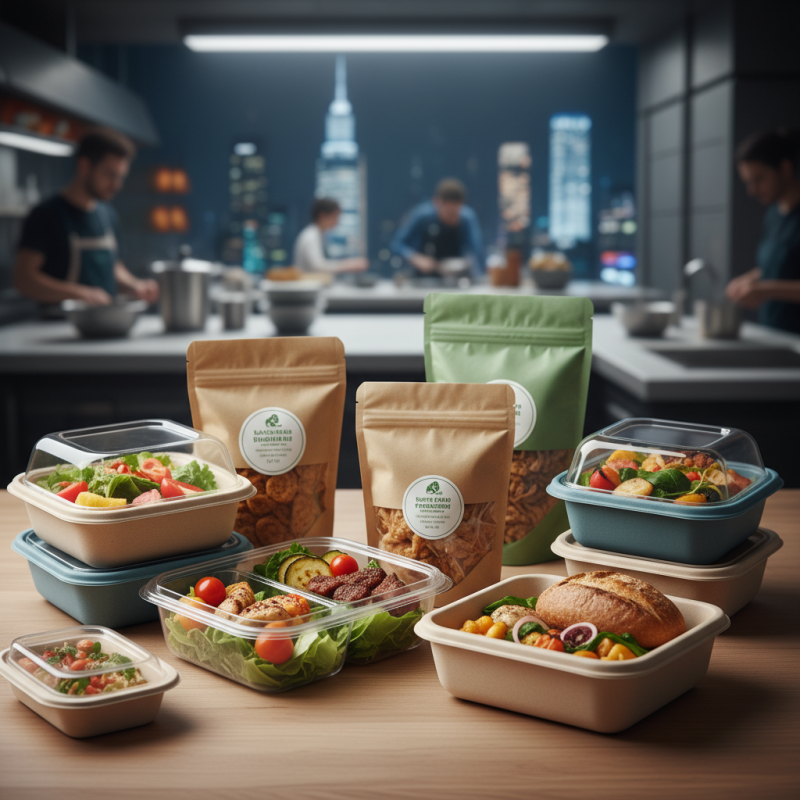
Food packaging plays a crucial role in maintaining food safety and quality. The right packaging protects against contamination and spoilage. According to a report from the Food and Agriculture Organization (FAO), nearly one-third of all food produced is wasted, mainly due to poor packaging. Effective solutions can significantly reduce this waste.
Packaging materials must be tested rigorously to ensure they do not leach harmful substances into food. A study by Packaging Europe highlighted that 60% of consumers worry about food safety linked to packaging. This concern drives businesses to invest in innovative solutions that not only preserve food but also promote a sustainable future.
Even with advancements, challenges remain. Many companies still struggle with the balance between cost and quality in packaging materials. A survey by Smithers Pira revealed that 25% of food processors face difficulties in sourcing sustainable materials. Recognizing these gaps can encourage the industry to rethink packaging strategies. By doing so, businesses can better ensure the safety and quality of the food they provide.
| Dimension | Description | Importance | Example |
|---|---|---|---|
| Material Type | Various materials including plastic, glass, and biodegradable options | Influences food safety and shelf life | Biodegradable packaging for sustainability |
| Barrier Properties | Ability to provide moisture, gas, and light barriers | Protects food from spoilage and contamination | Vacuum-sealed packages |
| Tamper Evidence | Features that indicate if a package has been opened | Enhances consumer trust and safety | Seals and shrink bands |
| Sustainability | Use of eco-friendly materials and practices | Reduces environmental impact | Recyclable packaging |
| Consumer Appeal | Design elements that attract consumers | Boosts sales and brand recognition | Colorful graphics and eco-friendly messages |
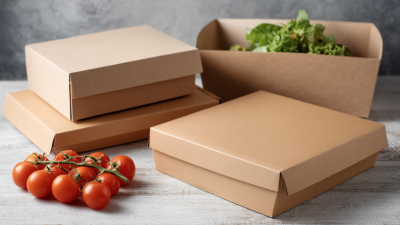
Sustainability in food packaging is increasingly crucial for modern businesses. Consumers are more aware of environmental impact. A study revealed that 74% of customers prefer sustainable packaging. This shift pushes brands to rethink their packaging choices.
Many regulations are now in place to promote sustainability. The European Union, for instance, aims to make all packaging recyclable by 2024. However, not all companies are prepared for these changes. Some still rely on traditional methods and materials, which can lead to waste. A report indicated that 40% of plastic packaging is not recycled. Businesses face pressure to adapt quickly or risk falling behind.
The demand for eco-friendly packaging options is skyrocketing. For example, compostable materials are gaining traction. Research shows they can break down in 90 days. But using them isn't straightforward. Companies may struggle with costs or lack access to recycling programs. Many still view sustainability as an added expense rather than a necessity. Failing to address this could alienate consumers who prioritize eco-conscious choices. The future of food packaging requires a balance between innovation and responsibility.
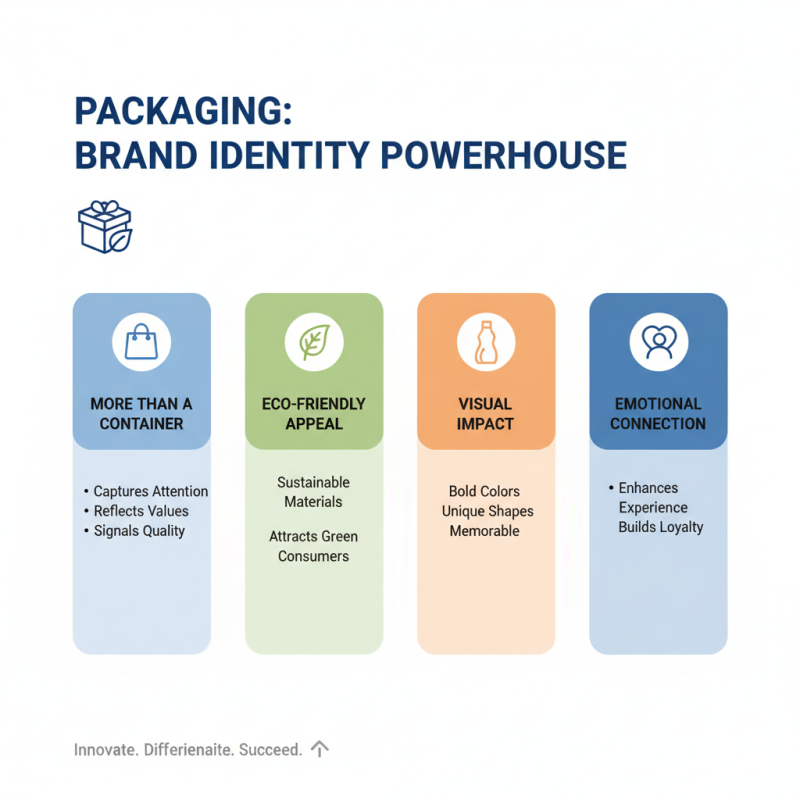
In today's competitive market, packaging is more than just a container. It’s a vital part of brand identity. Innovative packaging solutions can capture consumer attention. They reflect the values and quality of the product inside. For example, eco-friendly materials appeal to environmentally conscious customers. Vibrant colors and unique shapes can also make a lasting impression. These choices create an emotional connection and enhance the customer experience.
Tips: Consider using minimalistic designs that convey elegance. Simple packaging often stands out amidst clutter. This approach can attract a different audience. Make sure your packaging tells a story. Customers appreciate authenticity and transparency. Share the journey of your product through visuals.
Balancing innovation with functionality is crucial. Too much creativity can lead to confusion. It’s essential to ensure that the packaging protects the product. A beautifully packaged item that arrives damaged disappoints customers. Reflect on what works and what doesn’t. Gather feedback and adjust accordingly. This ongoing process will enhance your brand image and strengthen customer loyalty.
Efficient food packaging practices can significantly enhance the cost-effectiveness of modern businesses. A recent industry report indicated that nearly 30% of food products are wasted due to insufficient packaging. This waste translates to billions in lost revenue annually. Companies that invest in robust packaging materials can reduce spoilage and extend shelf life, ultimately saving money.
Additionally, efficient packaging can optimize supply chain logistics. According to research, businesses that implement smart packaging solutions can cut shipping costs by up to 15%. By reducing the weight and volume of packaged items, companies can benefit from lower transportation expenses. However, many organizations still overlook these advantages, often sticking to outdated packaging methods that do not meet current market demands.
There's also the aspect of consumer perception. Attractive and functional packaging can drive sales. Studies show that over 70% of consumers consider packaging when making purchase decisions. Yet, some businesses fall into the trap of prioritizing aesthetics over practicality, leading to higher costs without measurable returns. It’s a delicate balance that requires ongoing reflection and adjustment in strategies.
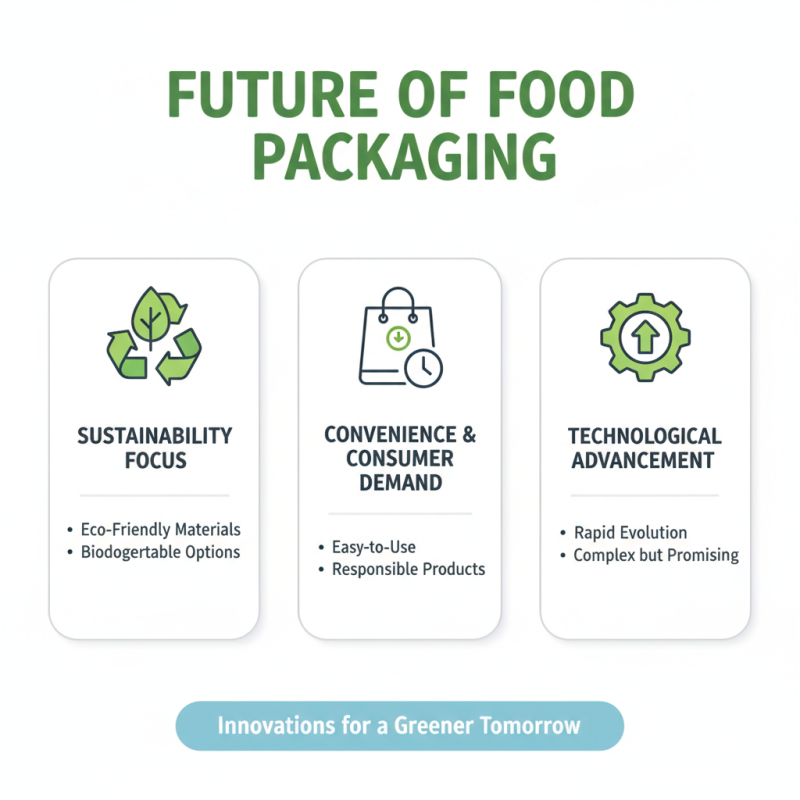
Food packaging technology is evolving rapidly. Businesses are now focusing on sustainability and convenience. Eco-friendly materials are becoming more popular. Many companies are exploring biodegradable options. This shift addresses consumer demands for responsible products. However, understanding these technologies can be challenging.
The rise of smart packaging is noteworthy. It offers features like freshness indicators and QR codes for more information. This makes the shopping experience engaging. Yet, the cost of implementing such technology can be high. Companies must weigh the benefits against potential expenses. Embracing innovation is essential but not always straightforward.
Moreover, visual appeal in packaging is key. Eye-catching designs can attract customers. However, businesses sometimes overlook functionality for style. This misstep can lead to waste and consumer dissatisfaction. There is a delicate balance between design and practicality. Companies need to reflect on their choices. How can they meet customer expectations while maintaining efficiency?