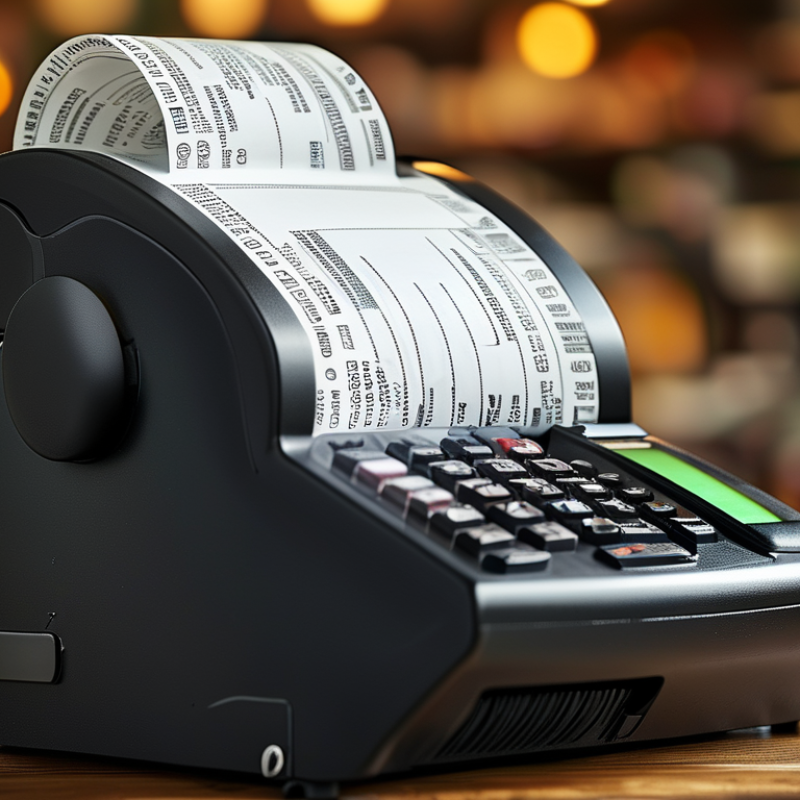
10 Essential Tips for Choosing Thermal Cash Register POS Paper Roll?
Choosing the right Thermal Cash Register Pos Paper Roll is crucial for any retail business. With various options available, it can feel overwhelming. The perfect roll enhances your cash register's functionality and boosts customer satisfaction.
When selecting a Thermal Cash Register POS Paper Roll, consider quality. The durability of the paper affects printing clarity. A low-quality roll may cause faded receipts. This can lead to customer frustration and impact your business's reputation.
Size and compatibility are also pivotal. Ensure the roll fits your POS system properly. An ill-fitting roll wastes resources and time. Review your previous purchases. Some businesses overlook this detail, leading to unnecessary expenses. By exploring these aspects, you can make informed choices. Proper selection ensures efficiency and reliability in your retail operations.
Understanding Different Types of Thermal POS Paper Rolls Available
When selecting Thermal Pos Paper Rolls, understanding the various types available is crucial. The common choices include regular thermal paper, top-coated thermal paper, and direct thermal paper. Regular thermal paper is cost-effective but may fade over time, which can be problematic for record-keeping. In contrast, top-coated thermal paper offers better durability and print quality, making it ideal for receipts that must last longer.
Research indicates that businesses can lose up to 30% in operational efficiency due to inadequate paper supplies. This highlights the importance of choosing the right paper roll. Opt for paper with a proper thickness of around 48-60 gsm for optimal printing quality. Flush edges can enhance performance in most thermal printers, reducing paper jams.
When selecting your thermal paper, consider the print technology used. Direct thermal paper reacts to heat, while thermal transfer paper requires ribbons. Generally, direct thermal paper is easier to handle and install. Remember that the environment can impact paper lifespan — excessive heat or moisture can degrade paper quality. These factors are often overlooked but can lead to increased costs and customer dissatisfaction.
Factors to Consider When Selecting Thermal Cash Register Paper
When choosing thermal cash register paper, several key factors come into play. The paper width should match your POS printer specifications. Common sizes include 58mm and 80mm. Selecting the right width ensures a smooth printing process, reducing the risk of paper jams. Additionally, consider the roll length. Longer rolls reduce the frequency of changes, saving time during busy hours.
Another vital aspect is the paper quality. Look for papers that have a high brightness for clearer printing. This improves the readability of receipts, making them easier for customers to review. Check for thermal sensitivity as well. A proper balance is necessary; overly sensitive paper may fade quickly, while excessively thick rolls can cause issues.
It is also essential to evaluate packaging. Well-packaged paper ensures it remains clean and undamaged during storage. Consider how it will be managed in your workspace. Messy stacks can lead to frustration. Sometimes, businesses overlook the importance of backing paper that prevents static or ghosting issues on receipts. Reflect on these factors to ensure a hassle-free purchasing process.
Measuring the Right Size and Dimensions for Your POS Paper Needs
When selecting thermal cash register POS paper rolls, measuring the correct size is crucial. Many businesses overlook this detail, leading to compatibility issues or wasted paper. According to industry reports, the right dimensions can improve efficiency by up to 20%. A standard thermal paper roll is often 80mm wide, but sizes can vary significantly. Always check your printer’s specifications before making a purchase.
One important tip: measure the diameter of the roll. The most common sizes include 80mm and 57mm, with a core size of either 12mm or 25mm. A mismatch here can disrupt your operations. Remember, choosing the correct dimensions can positively impact your operational costs.
Another factor is the length of the paper roll. While an average roll offers about 50 meters, some applications might require longer rolls to reduce frequency of replacement. Analyze your sales volume to determine the best length. Utilizing the right paper size ensures smooth transactions and can enhance customer satisfaction. Consider how these details can contribute to your business’s efficiency and reliability in daily operations.
Evaluating the Quality and Durability of Thermal Paper Rolls
When choosing thermal cash register POS paper rolls, focus on quality and durability. High-quality thermal paper can significantly affect print clarity and longevity. Reports show that subpar thermal paper can lead to fading and smudging within a few months. This deterioration can confuse customers and result in transaction disputes.
Evaluate thermal paper by considering its thickness and coating. A standard thickness ranges from 50 to 60 microns. Thicker rolls often enhance durability and print quality. Look for rolls with a proper thermal coating to ensure optimal printing results and resistance to heat and moisture. Some studies suggest that thermal paper rolls with a longer shelf life provide better performance, ensuring your transactions remain readable over time.
Tips: Always test a small batch of paper before full implementation. Consider buying in bulk to reduce costs while ensuring quality. Regularly check your supply to avoid surprises. Quality paper improves efficiency but requires checking suppliers for consistency. Remember, a small investment in good paper can save you from significant problems later.
10 Essential Tips for Choosing Thermal Cash Register POS Paper Roll
| Feature | Description | Importance |
| Paper Thickness | Choose a thickness between 48-60gsm for optimal performance. | Affects print quality and durability. |
| Width | Standard widths are 57mm and 80mm, ensure compatibility with your POS. | Critical for functionality with your unit. |
| Roll Length | Longer rolls reduce the need for frequent replacements. | Increases efficiency during busy hours. |
| Eco-friendliness | Choose BPA-free thermal paper for health and environmental safety. | Matter of consumer health concern. |
| Print Quality | Ensure that the paper produces clear, legible prints. | Essential for customer receipts and record keeping. |
| Durability | Check for resistance to fading and moisture for longer shelf life. | Key for longevity of printed materials. |
| Manufacturer Reputation | Opt for well-reviewed manufacturers for reliability. | Trustworthiness impacts overall experience. |
| Cost | Evaluate overall cost vs quality, consider bulk purchasing. | Affects budget sustainability. |
| Compatibility | Ensure the paper is compatible with your specific POS model. | Prevents operational hiccups. |
| Storage Conditions | Consider how the paper will be stored — protect from heat and light. | Maintaining quality over time is crucial. |
Cost-Effectiveness: Finding the Best Value for Your POS Paper Purchases
When selecting thermal cash register POS paper rolls, cost-effectiveness should be a priority. It’s vital to choose products that offer both quality and value. Look for suppliers that provide transparent pricing and bulk purchase discounts. This approach ensures you maximize your budget without sacrificing reliability.
Consider these tips: Always check the roll dimensions. They should fit your machine perfectly. Incompatible sizes lead to waste and additional costs. Review material thickness as well; thinner paper may be cheaper but could result in more frequent replacements. This can quickly negate savings.
Research is essential. Read customer reviews to gauge long-term performance. While it may be easy to focus solely on the lowest price, think beyond immediate costs. Sometimes, spending a little more on higher quality pays off. Relying on cheap rolls can damage your printer or create poor receipts, affecting customer trust. Hence, investing in quality often proves wise in the long run. Additionally, do not hesitate to compare different sources regularly, as prices can fluctuate unexpectedly. Your choice should reflect both logic and practicality.

 Skip to content