10 Essential Tips for Choosing the Right Boxes and Packaging Solutions?
In the ever-evolving world of boxes and packaging, making the right choices is crucial. Expert in packaging solutions, Sarah Johnson, once said, "The right packaging can elevate your brand and product." This statement encapsulates the importance of thoughtful selection in the boxes and packaging industry.
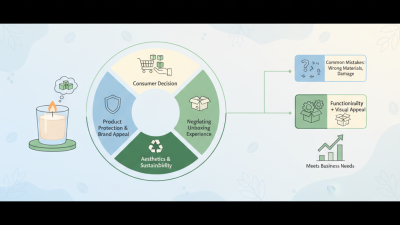
When choosing boxes and packaging, there are key factors to consider. Size, durability, and design play vital roles. For instance, a box that is too small could damage your products. Conversely, one that’s too large may leave a poor impression on customers. The material can also impact the perceived value of your items. It's easy to overlook these details, but they significantly affect customer satisfaction.
Many businesses struggle with making these choices, often leading to wasted resources. Reflecting on past packing decisions can reveal areas for improvement. It’s essential to analyze what has worked previously and what hasn’t. Understanding these nuances in boxes and packaging can propel your business to new heights.

10 Essential Tips for Choosing the Right Boxes and Packaging Solutions
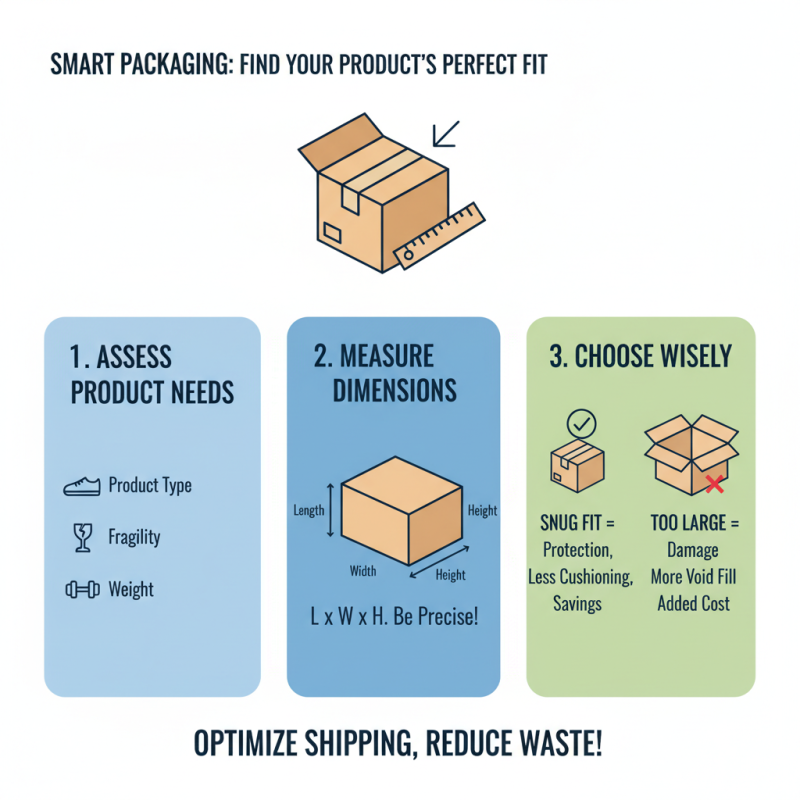
When selecting boxes and packaging solutions, consider your product's needs. Assess dimensions first. A well-fitted box protects better. Measure length, width, and height. Don’t rush this step. A box that’s too large can lead to damage during transit. A snug fit often means fewer cushioning materials.
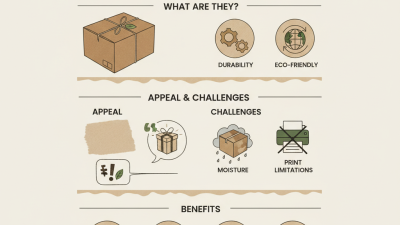
Material choice is crucial. Corrugated cardboard is popular for its durability. It withstands pressure well, but assess the weight your package will bear. Also, think about sustainability. Eco-friendly materials attract more customers today. Reflect on your brand’s impact on the environment. How does your packaging align with your values?
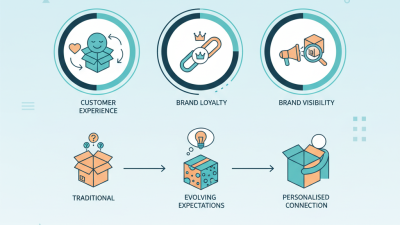
Design is more than looks. Think functionally. Openings should be easy yet secure. A complicated design frustrates customers. After some testing, you might find flaws. Don’t hesitate to tweak your design based on user feedback. The better the user experience, the more loyal your customer base will be.
Understand the Role of Material Strength in Packaging Choices
When selecting packaging solutions, material strength plays a critical role. It determines how well the packaging can protect its contents. Strong materials can withstand pressure, temperature changes, and rough handling. It’s essential to choose a material that aligns with the fragility of the items inside.
For example, if you're packing glass items, you want a box made from sturdy corrugated cardboard. This helps prevent breakage during transit. On the other hand, lightweight items might require minimal strength. Using excess material can be wasteful, both financially and environmentally. Often, the choice is not so clear-cut. There are times when we might overestimate what is needed.
Additionally, consider the packaging environment. For items exposed to moisture or extreme temperatures, specialized materials might be necessary. It can be tricky to find the right balance. Trial and error is common in this process. Sometimes, we realize that a chosen material didn’t perform as expected. It’s important to analyze these outcomes to improve future packaging decisions.
Assess Environmental Impact: Sustainable Packaging Solutions Overview
The quest for sustainable packaging solutions is more crucial than ever. A report by the Ellen MacArthur Foundation reveals that 30% of plastic packaging is never recycled. This statistic highlights a significant challenge in the packaging industry. Companies are increasingly aware of their impact on the environment and are seeking eco-friendly alternatives.
Using recyclable materials is a start. Compostable packaging is gaining traction, with research showing that it reduces landfill waste by 28%. Many businesses are now exploring plant-based options instead of traditional plastics. Yet, the transition is not flawless. Often, these materials lack durability and can compromise product safety. Thus, assessing both the protective quality and environmental impact is vital.
True sustainability goes beyond using green materials. Businesses must consider the entire lifecycle of their packaging. Life Cycle Assessments (LCAs) indicate that packaging choices significantly affect carbon footprints. For instance, switching to lightweight cardboard can cut transportation emissions. However, companies must balance cost and environmental benefits. In this evolving landscape, ongoing reflection on both packaging choices and their effects is essential.
Evaluate Cost-Effectiveness: Balancing Quality and Budget Constraints
When choosing packaging, cost-effectiveness is key. You need to evaluate how much you can spend. Quality materials often come with a higher price tag. However, cheap packaging can lead to damaged products. Think about the trade-offs here.
Consider the type of products you’re packing. Fragile items require sturdy boxes. Even with a tight budget, investing in protective packaging can save money in the long run. Also, explore bulk purchasing options. Sometimes, buying in larger quantities can reduce the overall per-unit cost.
Don't overlook the importance of branding. Good packaging reflects your brand’s image. However, flashy designs can drain resources. A simple, clear design might be just as effective. Reflect on your goals. Are you prioritizing aesthetics or functionality? Balancing these factors can be challenging, but it’s essential for success.
Cost-Effectiveness of Different Packaging Solutions
This bar chart illustrates the cost per unit of various packaging solutions. It highlights the balance between quality and budget considerations essential for making cost-effective packaging choices.
Ensure Compliance with Shipping Regulations for Packaging Standards
When selecting packaging solutions, compliance with shipping regulations is crucial. Different regions have unique requirements. For instance, the International Air Transport Association (IATA) states that improper packaging can lead to significant fines and delays. Reports indicate that around 20% of shipments face issues due to non-compliance. This highlights a pressing need for businesses to stay informed.
Packaging materials must meet specific standards. For instance, materials should be durable yet lightweight. The European Union's regulations dictate minimum strength for certain types of packaging. Failing to adhere can result in costly returns or damage. Regular audits of packaging practices can reveal gaps in compliance. Companies might think they are in line, only to discover failures during inspections. It’s a common oversight.
Understanding the local regulations is essential. Not all businesses do thorough research. A 2022 study showed that 40% of small businesses underestimated packaging requirements. Many assumed generic solutions would suffice. This often leads to expensive mistakes. Knowing the precise compliance needs can save money and time. Investing in proper training and resources pays off in the long run. Compliance isn’t just a box to check. It’s a fundamental part of the shipping process.
Conclusion
Choosing the right boxes and packaging solutions is crucial for ensuring product protection, appealing presentation, and compliance with regulations. The first step is to understand the material strength of packaging, as it directly impacts the durability and safety of the items during transit. Next, assessing the environmental impact through sustainable packaging options can enhance brand image and meet consumer demand for eco-friendly practices.
Cost-effectiveness is also key; striking a balance between quality and budget ensures that businesses can maintain profitability while delivering superior packaging. Additionally, compliance with shipping regulations ensures that the packaging meets all necessary standards. Lastly, optimizing packaging design not only protects the product but also enhances its appeal to consumers, making it an essential element in the overall marketing strategy. By considering these factors, businesses can make informed decisions about their boxes and packaging solutions.
 Skip to content