10 Essential Tips for Choosing the Right Kraft Boxes for Your Needs
When it comes to packaging solutions, kraft boxes have gained significant popularity due to their versatility and eco-friendly properties. These durable and lightweight boxes are favored for their ability to protect items while also offering an appealing, natural aesthetic. However, choosing the right kraft boxes can be a daunting task given the myriad of options available in the market. Whether for shipping products, gifting, or storage, selecting the ideal kraft box that meets your specific needs is crucial for both functionality and presentation.
In this guide, we will explore ten essential tips that will empower you to make informed decisions when selecting kraft boxes. From understanding the dimensions and strength of the boxes to considering the design and closure options, these insights will help ensure that your packaging not only serves its purpose but also reflects your commitment to sustainability. By the end of this article, you’ll be equipped with the knowledge to choose kraft boxes that perfectly align with your requirements and elevate your brand's packaging game.

Understanding Kraft Box Material Types and Their Properties
Kraft boxes are popular for their eco-friendly properties and strength, making them suitable for various packaging needs. When choosing the right kraft box, it’s essential to understand the types of materials available. Generally, kraft paper can be classified into two grades: bleached and unbleached. Unbleached kraft is known for its natural brown color and is particularly robust, making it ideal for heavy-duty packaging. On the other hand, bleached kraft offers a cleaner and more polished appearance, appealing to brands looking for a more refined packaging solution.
Another crucial aspect is the thickness of the kraft material, often measured in grams per square meter (GSM). Thicker kraft papers provide added durability and protection for products, especially during shipping. Additionally, variations like recycled kraft paper are becoming increasingly popular due to their sustainable characteristics. Understanding these material types and their respective traits allows businesses to select options that not only meet their functional requirements but also align with their sustainability goals.
10 Essential Tips for Choosing the Right Kraft Boxes for Your Needs
| Tip No. |
Tip Description |
Material Type |
Properties |
Best Use Cases |
| 1 |
Evaluate the weight capacity required. |
Single-wall Kraft |
Lightweight, economical. |
Shipping lightweight products. |
| 2 |
Consider the level of protection needed. |
Double-wall Kraft |
More durable, shock-resistant. |
Fragile items or heavier products. |
| 3 |
Select an eco-friendly option. |
Recyclable Kraft |
Sustainable, biodegradable. |
Gift packaging, retail products. |
| 4 |
Choose a suitable size for your products. |
Standard Kraft |
Versatile sizes available. |
General packaging needs. |
| 5 |
Assess moisture resistance. |
Wet-strength Kraft |
Water-resistant, strong. |
Food packaging, outdoor shipping. |
| 6 |
Evaluate printing options. |
Printable Kraft |
Smooth surface for high-quality prints. |
Branding, marketing materials. |
| 7 |
Consider closure style. |
Self-adhesive Kraft |
Easy-to-seal options. |
Quick packaging needs. |
| 8 |
Determine the nature of the product. |
Food-grade Kraft |
Safe for food contact. |
Food packaging, takeaway boxes. |
| 9 |
Check for customization options. |
Custom Kraft Boxes |
Tailored shapes and sizes. |
Unique product presentations. |
| 10 |
Compare costs and suppliers. |
Economical Kraft |
Affordable and functional. |
Bulk shipping and packaging. |
Evaluating the Strength and Durability of Kraft Boxes for Shipping
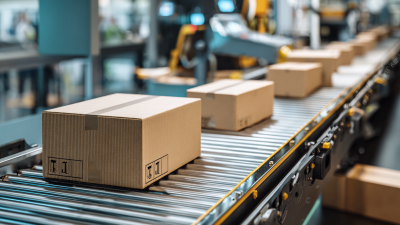
When selecting Kraft boxes for shipping, evaluating their strength and durability is crucial. According to a report from the Paper and Paperboard Packaging Environmental Council, Kraft paper products offer superior tensile strength compared to standard paper materials, making them an excellent choice for shipping. Kraft boxes typically have a bursting strength measured in psi (pounds per square inch), with high-quality options reaching up to 300 psi. This capability ensures that the boxes can withstand the rigors of handling, stacking, and shipment without compromising the integrity of the contents inside.
Moreover, durability in Kraft boxes is directly linked to the thickness of the paper used. Standard Kraft boxes generally range in thickness from 0.2 mm to 0.6 mm, and the choice can significantly affect their performance. For heavier or fragile items, opting for double-walled Kraft boxes can provide additional protection, with studies suggesting that such boxes can reduce damage rates by nearly 50% during transit. Additionally, the moisture resistance of Kraft paper, derived from its natural composition, further enhances its durability, ensuring that goods remain safe from water exposure. Consequently, when evaluating Kraft boxes, it is vital to consider both the thickness and the specific strength ratings to select the most suitable option for your shipping needs.
Considerations for Sizing: How to Choose the Right Dimensions
When selecting the right Kraft boxes, sizing is a fundamental consideration that can significantly impact both functionality and cost-effectiveness. According to the 2022 Packaging Trends Report, over 65% of businesses reported that improper packaging dimensions led to increased shipping costs and product damage. Choosing the right dimensions can help to minimize wasted space and material, leading to both cost savings and a reduced carbon footprint. It is critical to assess the dimensions of the products being packaged carefully; this includes taking into account not just the length and width, but also the height, especially for items that may be irregularly shaped.
Additionally, considering the intended use of the boxes will further guide you in selecting appropriate sizes. For example, if the boxes are for e-commerce shipments, they should fit the products snugly to prevent movement during transit. The 2021 E-commerce Packaging Study highlights that 72% of consumers prefer packaging that minimizes waste and fits their items perfectly. Therefore, conducting a thorough analysis of your products and their requirements will result in better packaging choices that enhance customer satisfaction and reduce return rates due to damage. Ultimately, paying attention to the sizing of your Kraft boxes is not just a matter of aesthetics; it plays a vital role in logistics efficiency and customer perception.
Cost-Effectiveness: Analyzing Industry Pricing Trends for Kraft Boxes
When selecting the right Kraft boxes for your needs, understanding the cost-effectiveness of these products is critical. Recent industry pricing trends reveal that the demand for eco-friendly packaging has resulted in a steady increase in Kraft box popularity. As businesses and consumers alike prioritize sustainability, prices may vary significantly based on material quality, customization options, and bulk purchasing agreements. It’s essential to analyze these trends to ensure that you’re making a financially sound decision without compromising on quality.
One of the key tips for choosing Kraft boxes is to establish your budget early. Utilize online resources to compare prices from different suppliers without settling for the first option that meets your eye. This research will not only inform you about standard pricing but also highlight which additional features you may want to incorporate, such as custom sizes or printing. Additionally, consider buying in bulk. Many suppliers offer discounts for larger orders, allowing you to save on cost per unit, which can be particularly advantageous for businesses looking to maintain consistent packaging solutions.
Another valuable tip is to gauge the durability of the Kraft boxes available. While lower-cost boxes might seem attractive initially, investing in robust options often proves more economical in the long run. Poor quality boxes run the risk of compromising your product's safety during transit, which could lead to additional costs associated with damages or returns. Balancing cost with quality ensures that you choose the most effective solution for your packaging needs.
Sustainability Metrics: The Environmental Impact of Kraft Box Choices
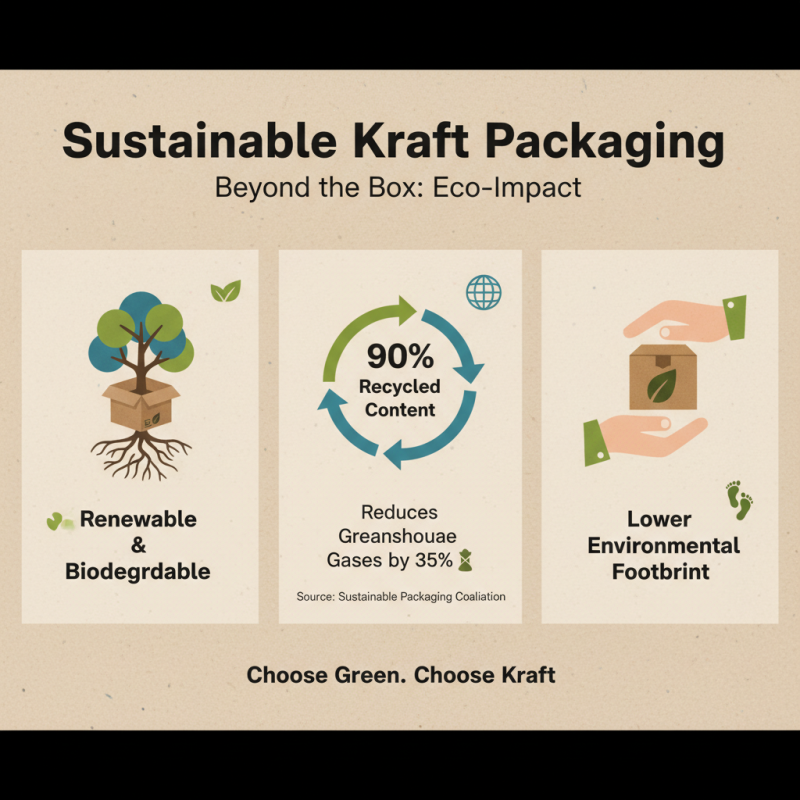
Choosing the right Kraft boxes goes beyond functionality and aesthetic appeal; it significantly impacts environmental sustainability. Kraft paper, known for its strength and biodegradability, is increasingly preferred in packaging solutions. According to the Sustainable Packaging Coalition, using recycled materials in the production of Kraft boxes can reduce greenhouse gas emissions by approximately 35% compared to traditional packaging materials. By opting for Kraft packaging made of at least 90% recycled content, businesses can substantially lower their environmental footprint.
Moreover, the life cycle analysis conducted by the Paper and Packaging Board reveals that paper-based packaging, including Kraft boxes, uses less energy and produces fewer pollutants during manufacturing than plastic alternatives. With an estimated 70% of consumers considering a brand’s environmental impact when making purchasing decisions, sustainable packaging choices not only meet regulatory demands but also enhance brand loyalty. By integrating sustainability metrics into their procurement strategies, companies can align their packaging options with consumer values while simultaneously contributing to a healthier planet.
 Skip to content