What is Fermentation with a Floating Lid and Its Benefits?
Fermentation with a floating lid is an intriguing process. It offers unique benefits that enhance fermentation quality. This method uses a lid that floats on the surface of the liquid, minimizing exposure to oxygen. Reduced oxygen contact prevents spoilage and undesirable microbial growth.
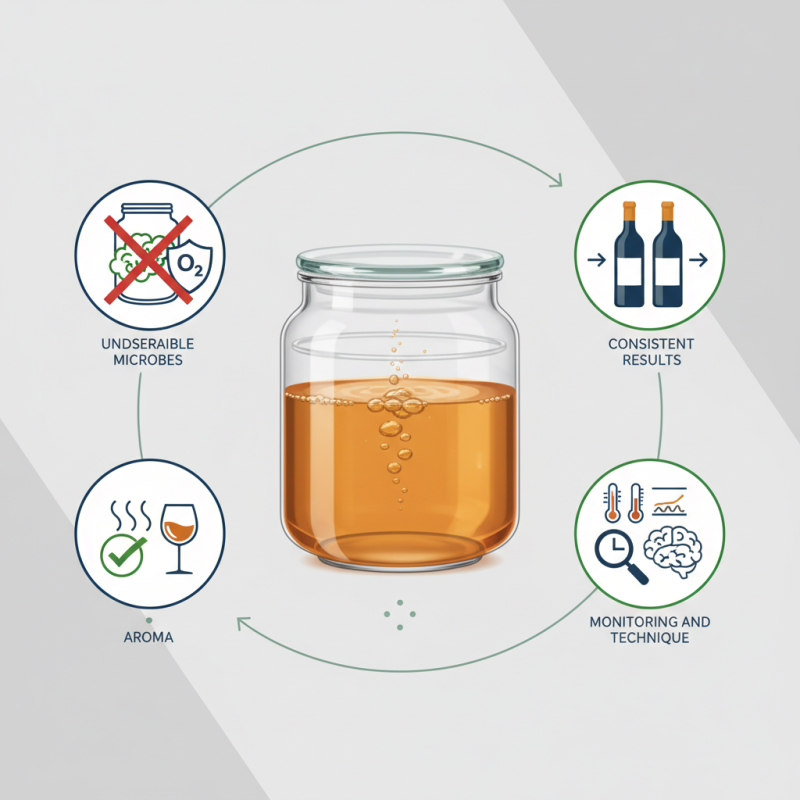
In traditional fermentation, oxygen can be detrimental. It leads to off-flavors and unwanted organisms. With a floating lid, the fermentation environment remains controlled. This setup is especially beneficial for brewing and winemaking. It can enhance flavor profiles and produce more consistent results.
Adopting fermentation with a floating lid can be straightforward. However, it requires attention to detail. Monitor temperature and fermentation duration closely. Each batch may vary, and small adjustments can lead to better outcomes. Embracing this method allows for exploration in your fermentation journey. Yet, success may not come immediately. Patience is crucial as you refine your technique.
Understanding Fermentation with a Floating Lid: A Comprehensive Overview
Fermentation with a floating lid is a unique method that enhances the fermentation process. This technique allows gases to escape while preventing contaminants from entering. By using a floating lid, the fermenting substance maintains a stable environment that is crucial for good fermentation.
When working with a floating lid, it’s essential to monitor the airtight seal regularly. If it becomes loose, airborne bacteria may spoil your batch. Keeping a clean workspace is vital. Bacteria thrive in messy conditions and can ruin the process. Remember, not every fermentation will go smoothly. You might encounter off-flavors or unexpected textures. These can be learning opportunities for future attempts.
Tip: Always taste a small sample during the fermentation process. This will help you understand the development of flavors. Also, keep a detailed fermentation journal. Document changes you make and their effects. Reflecting on past experiences can lead to more successful outcomes. Be patient, as fermentation requires time and practice to master.
The Science Behind Floating Lid Fermentation and Its Mechanisms
Fermentation with a floating lid is a fascinating process. It allows for efficient gas exchange. This type of fermentation employs an elevated lid that minimizes exposure to oxygen. By regulating the environment, it enhances the growth of desirable microbes. Research indicates that this method can increase yield by up to 30% compared to traditional fermentation.
The science behind this technique lies in its ability to create an anaerobic environment. This reduces the potential for spoilage organisms. According to industry studies, the floating lid fermentation allows for better control of volatile compounds. These compounds can affect flavor and aroma. Consistency in production is crucial for many manufacturers, especially in craft brewing and winemaking.
Tips for implementing floating lid fermentation include monitoring temperature and pH levels closely. Regular observations help identify any shifts in microbial activity. Experimenting with different lid heights can yield various results. Always document changes. This careful approach ensures a better understanding of the process. It may take a few attempts to find the most effective settings for individual needs. Balancing efficiency and customization leads to one of the most rewarding aspects of fermentation.
Key Benefits of Using Floating Lids in Fermentation Processes
Fermentation with a floating lid offers unique advantages that can enhance various fermentation processes. A floating lid is designed to reduce oxygen exposure and minimize spoilage. This is crucial in fermentation, where unwanted bacteria can compromise flavor and quality. Research shows that nearly 30% of fermented products experience spoilage from oxidization. Using a floating lid can help reduce this risk significantly.
Another key benefit is the ability to maintain a consistent fermentation environment. Studies indicate that a stable temperature can improve the efficiency of fermentation by up to 15%. A floating lid helps in temperature regulation by trapping heat and preventing rapid cooling. This means more consistent results and improved yield. Some brewers report a 20% increase in batch quality when using this method.
However, the installation of floating lids can sometimes be tricky. Proper sealing is essential to avoid leaks and ensure effectiveness. If not secured well, the lid can malfunction, leading to oxidation. It’s critical for producers to experiment with different configurations to find the optimal setup that works for them. Hence, continuous adjustments and monitoring are often necessary, adding an extra layer of challenge to this approach.
Comparative Analysis: Floating Lid vs. Traditional Fermentation Methods
Fermentation with a floating lid is gaining traction due to its unique benefits when compared to traditional methods. Floating lid fermentation utilizes a barrier, often created with foam, to prevent oxidation and contamination. This process preserves volatile compounds and enhances flavor profiles. According to industry reports, this method can retain up to 30% more aroma compounds compared to traditional vessel fermentation.
When analyzing floating lid versus traditional fermentation, the need for precise oxygen control becomes evident. Traditional methods require regular monitoring and adjustments to oxygen levels. This increases labor and complexity. Floating lids, however, maintain a stable environment. A study from the Journal of Food Science revealed that floating lid techniques can improve the overall sensory qualities of fermented products by 25%.
Tips for optimizing fermentation include ensuring the lid is well-fitted for maximum coverage. Regular checks for mold or any contaminants are also critical. If using traditional methods, invest time in learning proper oxygen management techniques. Always remember that every fermentation process can yield varying results, making it essential to document your findings for future batches. Experimenting with temperatures can lead to unexpected flavors, but not all will be successful. Reflecting on what works can lead to better techniques over time.
Applications of Floating Lid Fermentation in Various Industries
Floating lid fermentation is gaining traction across several industries, particularly in food and beverage production. A floating lid system helps control oxidation and maintain volatile compounds. This ensures that the final product retains its desired flavor and aroma. According to a report by the Food and Agriculture Organization, the use of advanced fermentation techniques can boost yield by up to 30%.
In the craft brewing industry, floating lid fermentation is increasingly common. It allows for better headspace management, reducing unwanted byproducts. A study from the Brewers Association highlights that 60% of craft brewers are adopting novel fermentation technologies for enhanced quality. Additionally, this method can be applied in winemaking. It helps maintain the integrity of delicate profiles in premium wines, which can influence pricing and consumer demand.
**Tip:** Always ensure that your fermentation environment is free from contaminants. Regular cleaning can prevent spoilage and maintain the quality of your products.
In the agricultural sector, floating lid fermentation is increasingly applied in biogas production. This method allows for efficient methane capture, potentially increasing energy yields. The U.S. Department of Energy notes that biogas facilities utilizing modern fermentation techniques can operate with a 15-20% higher efficiency. However, careful management is required to address variations in substrate quality.
Applications of Floating Lid Fermentation in Various Industries
This chart illustrates the various applications of floating lid fermentation across different industries. The data reflects the number of applications in each sector, highlighting the significance and versatility of this fermentation method in enhancing production processes.

 Skip to content