How to Choose the Best Tempura Powder?
Choosing the best Tempura Powder looks simple until the batter turns heavy, greasy, or uneven. The right product should create a thin, crisp coating that stays delicate around shrimp, vegetables, or mushrooms. Texture matters more than attractive packaging.
Chef Masaharu Morimoto is widely associated with this practical principle: “Keep the batter cold, and do not overmix it.” That advice remains useful when comparing Tempura Powder blends. A good powder often contains wheat flour, starch, leavening agents, and seasoning. However, the balance differs between brands. Some produce a pale, lacy crust. Others create a thicker shell with stronger crunch.
Read the ingredient label carefully. Check the flour type, starch content, sodium level, allergens, and preparation instructions. A powder requiring only water can save time, but convenience may reduce control over flavor. A professional kitchen may prefer a neutral blend. Home cooks might value consistent results more.
Test it in small batches. Use chilled water, a clean bowl, and oil near 170–180°C. Watch how quickly the coating sets. Listen for a light, steady sizzle. The best Tempura Powder should not hide the ingredient underneath. It should frame it.
There is no universal winner. That is the uncomfortable part. A powder that works beautifully for prawns may feel too thick on sweet potato. Compare texture, absorption, flavor, and cost before choosing. Even careful testing can reveal flaws only after the batter cools.
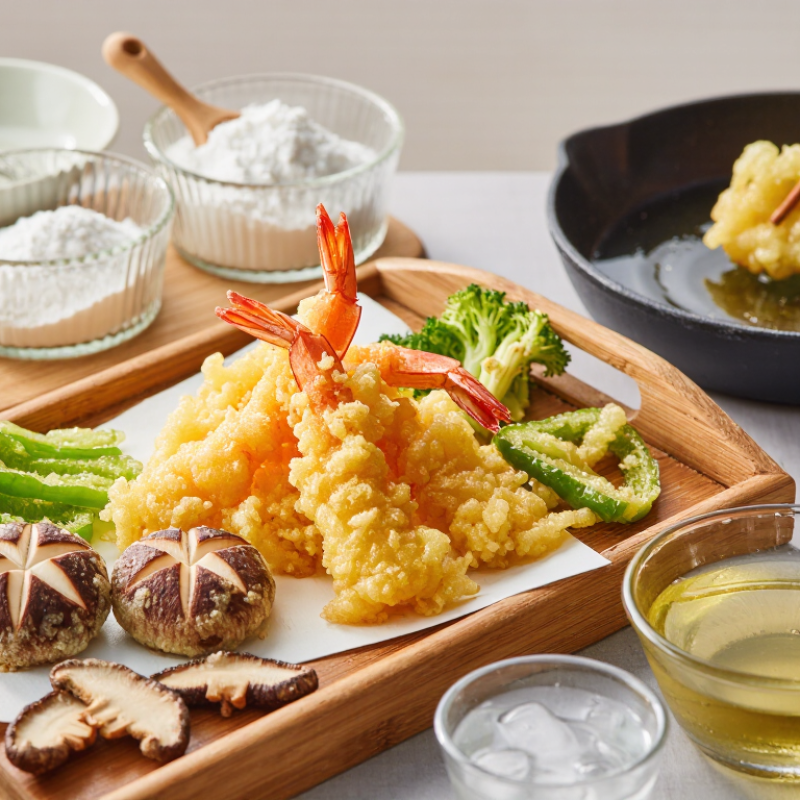
Define Tempura Powder: Flour, Starch, Leaveners, and Seasoning Roles
How to Choose the Best Tempura Powder?
Tempura powder is a dry blend designed to create a light, crisp coating. Flour usually provides structure and helps the batter cling to vegetables or seafood. Wheat flour is common, while rice flour can add a finer, brittle texture. Starch, such as potato or corn starch, reduces heaviness and supports a sharper crust. Too much flour can make the coating thick and bread-like. Too much starch may cause weak adhesion.
Leaveners create small gas bubbles during frying. Baking powder is often used for a more open, delicate crust. However, excess leavener can leave a bitter taste or uneven surface. Seasoning may include salt, sugar, or mild spices. Salt improves flavor, but a strong mix can hide the ingredient’s natural taste. I prefer checking the seasoning before adding extra salt to the batter.
Cold water matters. Very cold batter slows gluten development and helps preserve a fragile texture. Mix gently, leaving a few small lumps. A completely smooth batter is not always better. In a practical test, fry one onion ring and one shrimp at the same temperature. The coating should cling, puff lightly, and remain crisp for several minutes. I once judged a powder only by its golden color, which was a mistake. Texture after draining tells more. Use a wire rack, not a flat plate, because trapped steam quickly softens the underside.
How to Choose the Best Tempura Powder?
Representative dry-mix composition and the role of each ingredient
Flour provides the main structure, while starch improves crispness and reduces gluten development. Leaveners create a lighter coating, and seasoning adds basic flavor. The percentages represent a practical dry-premix example by mass; water is added separately during batter preparation, and formulas vary by recipe.
Match Flour Protein to Crispness: Target 8–10% for Light Batters
Choosing the Best Tempura Powder
Flour protein strongly affects tempura texture. For a light, fragile crust, look for about 8–10% protein. Lower levels can produce a delicate shell, but the coating may tear easily. Higher protein levels develop more gluten and often create a chewier, heavier crust.
Check the nutrition or technical specification panel per 100 grams. Protein percentage is useful, but it is not the whole answer. Starch content, particle size, and leavening ingredients also influence crispness. My most reliable test uses the same vegetables, oil temperature, and batter ratio. I whisk cold water into the powder briefly, leaving a few small lumps. Keep it cold. A smooth batter can become overly elastic.
Watch the bubbles. Fresh batter should spread thinly around a shrimp or sliced vegetable, then set quickly in the oil. At 8–10% protein, I usually notice a pale, lacy surface and a clean bite after draining. My first batches were too thick because I measured by volume instead of weight. That mistake still affects rushed cooking sessions. A scale gives better consistency, especially when humidity changes the powder. If the crust turns dense, reduce mixing and check the oil temperature before changing the flour. If it shatters immediately, the blend may need slightly more protein or a little less starch. Crispness is a balance, not a single number.
Validate Frying Performance at the Industry Range of 170–180°C
How to Choose the Best Tempura Powder?
Tempura powder should be tested at 170–180°C, not judged from dry appearance. This range supports rapid crust formation and controlled moisture loss. A 2021 review in Foods links higher frying temperatures with faster surface drying and lower oil penetration. However, excessive heat can darken batter before the food cooks.
Run a practical test with chilled vegetables, seafood, and a fixed batter ratio. Use a calibrated probe, because the fryer display may be inaccurate. Record the oil temperature every ten seconds. The drop after loading matters. A powder that recovers quickly can produce a lighter, less greasy coating. Check adhesion after two minutes. Then measure color, crispness, and coating thickness.
Codex Alimentarius CXC 36-1987 recommends monitoring frying temperature and oil quality during production. The German Society for Fat Science commonly uses about 24% total polar compounds as a quality limit for frying fats. These controls add credibility to powder evaluation. Still, one weakness remains: a single batch proves little. Repeat the trial across three oil ages and several food shapes. A perfect score on day one may not survive a busy kitchen.
Compare Labels: Allergens, Sodium, Yield, Shelf Life, and Cost per Batch
How to Choose the Best Tempura Powder?
A good comparison starts with the label, not the package size. Check wheat, egg, milk, and soy statements carefully. “May contain” warnings matter when allergies affect your kitchen. The U.S. Food and Drug Administration sets 2,300 milligrams as the daily sodium value for adults. Some powders look light but become salty with sauce. Record sodium per serving, then include dipping sauce in your meal calculation. Small numbers can change the result.
Yield is more useful than serving claims. Weigh the powder, follow the water ratio, and count how many vegetables or prawns one batch coats. Divide the price by usable batches, not grams alone. A powder costing less may waste more through thick batter or poor adhesion. The USDA FoodKeeper program advises checking dates and storage conditions for dry mixes, because quality declines after opening. Seal the pouch tightly and keep it dry. Humidity creates lumps quickly. Shelf life is not unlimited.
Tips: Test one small batch before buying in bulk. Photograph the label and record powder, water, food weight, and leftover batter. I still sometimes overestimate yield. That mistake is useful. Compare cost per batch with this formula: package price ÷ confirmed batches. For professional kitchens, also check lot codes, supplier consistency, and allergen-control procedures. These details support safer purchasing and more repeatable frying results.

 Skip to content