...

How to Choose the Right Construction Banner?

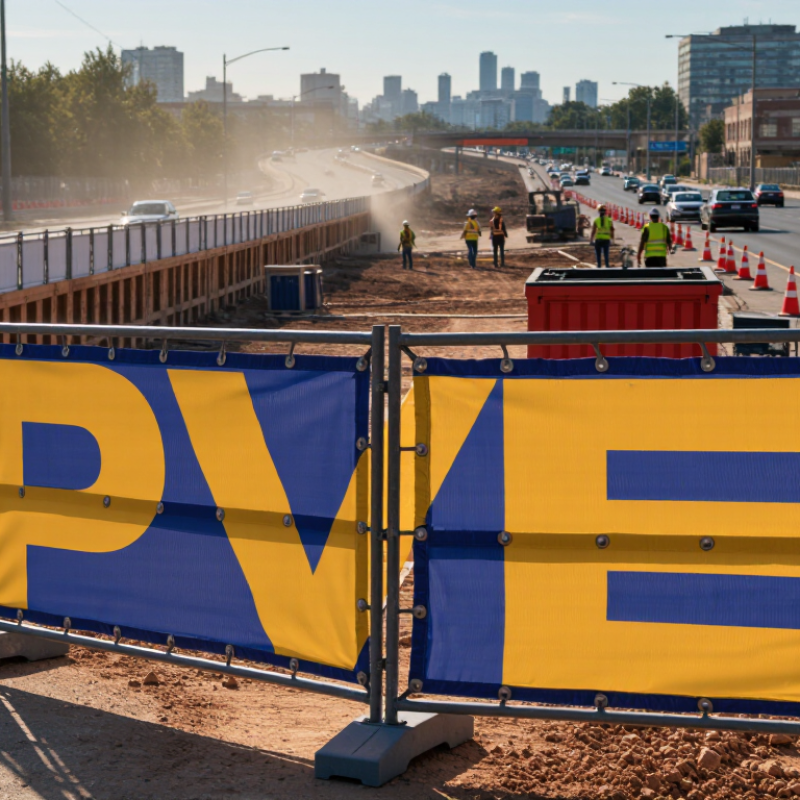
Choosing the right Construction Banner is more than selecting a large, colorful sheet. It is a practical communication decision on an active, changing site. Drivers may see it for only a few seconds. Workers may read it beside fencing, equipment, dust, and temporary lighting. The message must remain clear in those conditions.

Industry data shows why visibility deserves careful planning. The U.S. Census Bureau’s Value of Construction Put in Place reports consistently track hundreds of billions of dollars in monthly construction activity. That scale creates a crowded visual environment around roads, buildings, and public spaces. The Outdoor Advertising Association of America reported more than $9 billion in U.S. out-of-home advertising revenue during 2023. This does not measure construction banners directly, but it confirms strong demand for location-based visibility. A banner competes for attention.

Start with the site, not the artwork. Measure the viewing distance, mounting height, wind exposure, and likely reading time. A worker walking past may need a different design from a driver passing at speed. Use high-contrast colors, generous lettering, and one clear action. Consider reinforced hems, welded seams, grommet spacing, and mesh fabric for windy locations. These details often decide whether a banner stays usable after weeks outdoors.

Professional suppliers should explain material ratings, printing methods, installation limits, and maintenance needs. Local safety requirements also matter. A banner should never block emergency information, traffic visibility, or required site signage. Some choices will still be imperfect. Glossy vinyl may look vivid but reflect harsh sunlight. Mesh may reduce wind pressure but weaken small text. The best decision balances evidence, experience, and the real conditions surrounding the project.
How to Choose the Right Construction Banner?

Define the Banner’s Purpose, Audience, and Installation Location

How to Choose the Right Construction Banner?

Define the Banner’s Purpose, Audience, and Installation Location

Start with the job the banner must perform. A fence banner may guide pedestrians, identify the project, or explain a delayed entrance. Each purpose needs different wording. Workers need fast, visible instructions. Neighbors may need dates, contact details, and reassurance. Drivers need fewer words and stronger contrast. The Outdoor Advertising Association of America reported that 79% of surveyed consumers noticed out-of-home advertising during the past month in its 2023 consumer insights study. Visibility creates opportunity, but it does not replace clarity.

Study the installation location before choosing dimensions or materials. Measure viewing distance, pedestrian flow, wind exposure, lighting, and nearby visual clutter. A banner beside a busy road needs large lettering and simple hierarchy. One inside a fenced walkway can carry more detail. The Sign Research Foundation’s Economic Value of On-Premise Signs report found that 60% of surveyed businesses associated effective signage with increased sales. A construction banner is not a storefront sign, but the lesson remains useful: placement influences response.

Walk the site at different times. Morning glare may erase pale text. Evening shadows may hide a dark background. I have seen attractive layouts fail because fence posts covered key words. That mistake is easy to miss on a screen. Keep the message short. Test it from the farthest realistic viewing point, then revise it again. Perfect measurement is unlikely. Careful observation still prevents expensive reprinting.

Choose the Appropriate Banner Material, Size, and Shape

How to Choose the Right Construction Banner?

Choose the Appropriate Banner Material, Size, and Shape

Material choice starts with the site, not the artwork. PVC vinyl provides strong color and a smooth surface for solid fences. Mesh vinyl allows wind to pass through open scaffolding. That difference matters during windy weather. The U.S. Federal Highway Administration’s Manual on Uniform Traffic Control Devices, 11th Edition, stresses clear visibility and adequate contrast for roadside communication. A dark message on a light banner usually performs better than decorative effects. Still, glare can weaken readability. I have seen attractive designs fail under direct afternoon sunlight.

Size should match viewing distance and pedestrian speed. A small banner may work beside a site entrance. It becomes ineffective across a wide construction fence. Use fewer words when viewers pass quickly. The Outdoor Advertising Association of America reported $9.1 billion in U.S. out-of-home advertising revenue in 2023, showing that physical visibility remains commercially important. However, revenue data does not guarantee attention for every banner. Placement still decides much of the result.

Shape should follow the structure. Long horizontal banners suit perimeter fencing, while vertical formats fit narrow hoarding panels. Reinforced hems and evenly spaced eyelets can reduce tearing. Avoid oversized panels when wind exposure is severe. A safer design may look less impressive. That is worth accepting. Before production, inspect the fence, measure the viewing distance, and review the banner at eye level. Even a careful plan can need revision after installation.

How to Choose the Right Construction Banner? - Choose the Appropriate Banner Material, Size, and Shape

Compare common construction banner materials, sizes, and shapes to match the banner with the project location, viewing distance, wind exposure, and installation method.

Banner Option Typical Specifications Best Application Wind and Weather Considerations Recommended Sizes Recommended Shape Key Advantage
13 oz Vinyl Banner Coated PVC; approximately 13 oz per square yard; smooth, opaque surface Project identification, development signage, safety messages, and temporary roadside advertising Water-resistant and suitable for short- to medium-term outdoor use; solid vinyl can catch more wind than mesh 2 × 4 ft, 3 × 6 ft, 4 × 8 ft, or larger panels with reinforced hems and grommets Horizontal rectangle Strong color reproduction and good general-purpose durability
18 oz Heavy-Duty Vinyl Banner Thicker coated PVC; approximately 18 oz per square yard; reinforced edge options available Longer construction projects, perimeter fencing, equipment yards, and high-visibility entrance signs More robust than lightweight vinyl; use reinforced hems, closely spaced grommets, and secure fastening in exposed areas 3 × 6 ft, 4 × 8 ft, 4 × 10 ft, or custom multi-panel installations Horizontal rectangle Higher tear resistance and a more substantial appearance
8–10 oz Mesh Banner Perforated PVC mesh; commonly allows approximately 30–40% airflow, depending on construction Scaffolding, chain-link fences, tall barriers, bridges, and open construction-site fencing Reduced wind load compared with solid vinyl; still requires proper anchoring and reinforced edges 4 × 8 ft, 5 × 10 ft, 6 × 12 ft, or modular fence panels Horizontal rectangle or long fence panel Better airflow and visibility through the banner in windy locations
Polyester Fabric Banner Lightweight woven fabric; typically used with sewn hems, pole pockets, or sleeve finishing Indoor project presentations, leasing displays, lobby graphics, and sheltered outdoor areas Low glare and easy to handle; prolonged exposure to rain and strong wind requires a weather-rated fabric and secure mounting 2 × 4 ft, 3 × 6 ft, 4 × 8 ft, or vertical display formats Rectangle, vertical banner, or flag-style shape Professional appearance with reduced glare under indoor lighting
Scrim-Reinforced Vinyl Vinyl laminated around a reinforcing polyester scrim; available in multiple weights Large site hoardings, building wraps, long-term project graphics, and high-traffic areas Improved dimensional stability and tear resistance; large installations should be engineered for local wind conditions 8 × 12 ft, 10 × 20 ft, or custom-seamed sections Large rectangle or multi-panel wall graphic Suitable for large-format applications requiring reinforced construction
Vertical Retractable Banner Common finished sizes include approximately 33 × 78 in or 33 × retractable display; portable base required Construction trade shows, sales offices, safety briefings, and indoor presentations Designed primarily for indoor use; should not be placed outdoors in rain or strong wind Approximately 33 × 78 in or 36 × 84 in Vertical rectangle Portable setup, compact storage, and fast installation
Fence-Top Banner Panel Modular panels sized to match temporary fencing; commonly finished with perimeter hems and multiple grommets Construction fencing, pedestrian routes, site entrances, and public-facing project boundaries Mesh is preferable for exposed fencing; solid vinyl can be used in sheltered areas with adequate fastening Common modules include 2 × 6 ft, 2 × 8 ft, and 3 × 6 ft Horizontal rectangle Easy replacement and consistent alignment along long fence runs
Feather or Teardrop Flag Polyester flag fabric with a flexible pole and ground or base hardware Site entrances, open-house events, directional messaging, and temporary promotional points Allows movement in light wind; must be taken down or secured during severe weather Typical heights range from approximately 7 to 15 ft Feather, teardrop, or curved vertical shape High visibility from a distance and easy repositioning
Selection tip: For exposed construction fencing, choose mesh or a reinforced banner system that allows airflow. For sheltered areas and general project messaging, vinyl provides a durable, high-contrast surface. Always confirm the mounting hardware, edge reinforcement, and local wind requirements before installing a large outdoor banner.

Create a Clear Design with Readable Construction Messaging

How to Choose the Right Construction Banner?

A construction banner should communicate one message within a few seconds. On busy sites, people may view it from vehicles, sidewalks, or nearby buildings. Use a short headline with familiar words. “Road Closed Ahead” is clearer than “Temporary Access Restrictions.” Keep it plain. The main message needs strong contrast, generous spacing, and a readable typeface. Thin letters often disappear against dust, glare, or uneven lighting.

Build the design around viewing distance. A banner read from 30 metres needs larger lettering than one beside a site entrance. Keep the headline dominant, then add essential details such as dates, directions, or contact information. Limit decorative graphics. They can compete with the message. Use colours that separate text from the background, and check the design in daylight and low light. Distance changes everything.

During a site review, print the layout at a reduced scale and stand several metres away. If the wording feels crowded, remove something. A design can look balanced on a screen and fail outdoors. I once underestimated the effect of scaffolding shadows; the smaller text became difficult to read. That mistake reinforced a useful habit: test the banner in its actual setting before production. Ask workers and visitors to read it quickly. Their hesitation may reveal unclear wording, poor contrast, or missing direction. Clear messaging is practical, but it is not automatic.

Check Safety Standards, Weather Resistance, and Local Regulations

How to Choose the Right Construction Banner?

A construction banner must communicate clearly without creating a hazard. Choose flame-resistant, low-glare materials that meet recognized safety standards. Confirm the supplier provides current test documents, not vague claims. Text should remain readable from passing vehicles and pedestrians. Avoid placing banners near emergency exits, traffic signs, or temporary walkways. During a site inspection, I check the banner’s edges, fasteners, and viewing distance. Small details often matter more than attractive graphics.

Weather resistance is equally important. Outdoor banners face rain, ultraviolet light, dust, and strong wind. Select reinforced edges, rust-resistant eyelets, and suitable mesh when wind pressure is high. A solid banner can act like a sail. I once underestimated a sheltered corner, and a sudden gust loosened two fasteners. The banner survived, but the installation needed improvement. Recheck tension after storms and replace banners with cracked surfaces or faded safety messages.

Tips: Ask local authorities about permits, dimensions, lighting, and placement rules before printing. Keep a written inspection record. Use high-contrast colors and simple wording. Leave clear space around safety notices. If regulations seem unclear, request written guidance from the responsible office. Rules can differ between streets, districts, and project types. A practical choice is not always the cheapest one.

Plan Secure Installation, Regular Inspection, and Replacement

How to Choose the Right Construction Banner?

A construction banner must suit the site, weather, and installation method. Secure installation starts with the structure, not the artwork. Measure the fence, scaffold, or temporary wall carefully. Check its strength, height, and exposure to wind. Select a banner with suitable fabric, reinforced edges, and evenly spaced eyelets. Use approved fasteners that will not cut through the material. Leave enough space for airflow when the location faces strong winds. A qualified installer should confirm local safety requirements before work begins.

Inspection should follow a written schedule. Walk around the banner after installation, then check it weekly or after severe weather. Look for loose ties, stretched eyelets, torn seams, faded printing, and trapped water. Pay close attention to corners. They often fail first. Keep a simple record with dates, photos, and repair details. This record supports consistent decisions and helps identify repeated problems. Never ignore a small tear near a busy walkway.

Replacement becomes necessary when repairs no longer restore strength. Replace banners with brittle fabric, missing sections, sharp exposed fasteners, or serious color loss. A clean appearance matters, but safety matters more. In field work, rushed installation can create hidden stress. I have seen a secure-looking banner loosen after one storm. The inspection plan was too casual. Better planning would have caught it earlier. Conditions change, so the banner and its supports need honest reassessment.

How to Choose the Right Construction Banner?

Plan secure installation, regular inspection, and timely replacement.

Use shorter inspection intervals in high-wind or high-traffic areas. Inspect banners immediately after severe weather, confirm that fasteners and supports remain secure, and replace banners when text is no longer clearly visible or the material is damaged. These intervals are practical planning guidance and should be adjusted to local safety requirements.

ICB_lOGO_2023