What is Hydroxypropyl Methyl Cellulose HPMC Used For?
Hydroxypropyl Methyl Cellulose (HPMC) is a versatile compound widely used in various industries. This cellulose ether offers unique properties, making it essential in many applications. It acts as a thickener, binder, and film-forming agent in food production, pharmaceuticals, and construction.
In food, HPMC enhances texture and moisture retention. Its ability to create a gel-like consistency improves the mouthfeel of products. In pharmaceuticals, it serves as a controlled-release agent. This makes medications more effective and easier to ingest. Additionally, HPMC is crucial in construction materials, providing stability and enhancing workability.
Despite its benefits, HPMC has limitations. The quality and source of HPMC can vary, impacting its performance. It is essential to choose products from reputable suppliers. Understanding the applications and challenges of Hydroxypropyl Methyl Cellulose is vital for industries relying on this crucial compound.
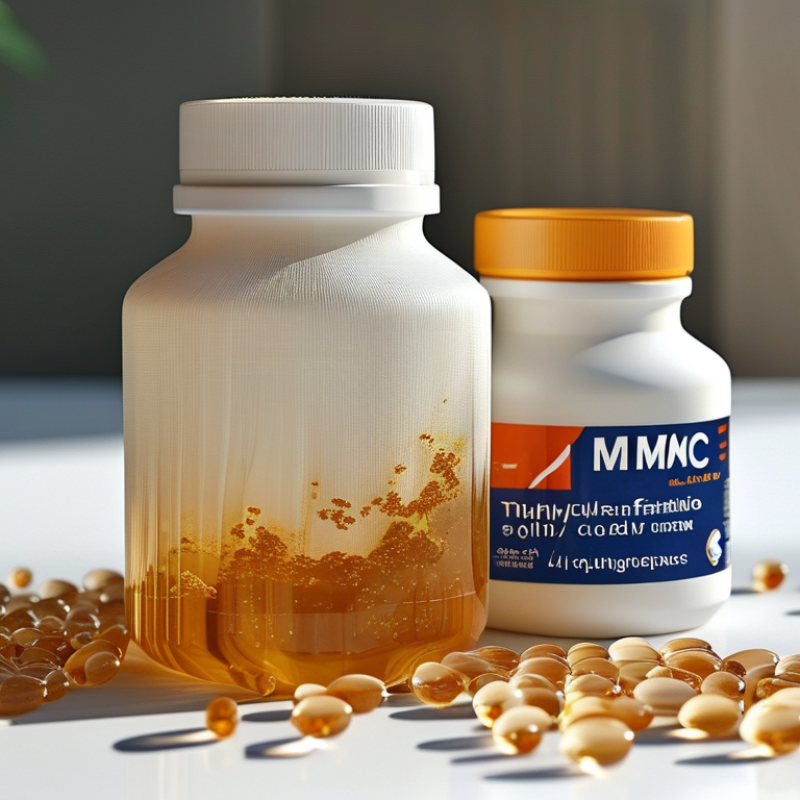
What is Hydroxypropyl Methyl Cellulose (HPMC)?
Hydroxypropyl Methyl Cellulose (HPMC) is a versatile polymer widely used in various industries. It acts as a thickening agent, emulsifier, and film-forming agent. Applications can be found in pharmaceuticals, food, cosmetics, and construction. According to a market analysis, the global HPMC market is expected to reach USD 1.35 billion by 2025, demonstrating its rising significance across sectors.
In the pharmaceutical industry, HPMC serves as an excipient in tablet formulations. Its unique properties enhance drug release, improving patient outcomes. In food products, it helps maintain texture and moisture. Interestingly, the cosmetic industry embraces HPMC for its ability to stabilize emulsions. This ingredient contributes to improved shelf-life and product consistency.
Tips: Always check for purity and manufacturing standards. This ensures safety, especially in food and pharmaceutical products. As industries evolve, so does the need for reliable sources for HPMC. Engaging with supplier certifications can lead to better choices. Awareness of possible variations in quality can enhance decision-making. When considering HPMC, keep in mind its applications’ effectiveness balanced against potential drawbacks, such as varying gel strengths or viscosity changes over time.
Key Properties and Characteristics of HPMC
Hydroxypropyl Methyl Cellulose (HPMC) is a versatile and valuable ingredient in many industries. Its unique properties make it suitable for various applications, especially in construction and food. HPMC is a plant-derived polymer, which means it is inherently safe for use in consumables.
One of HPMC's key characteristics is its ability to retain water. This property provides moisture retention in plaster and other building materials. It enhances workability and can improve adhesion. In food applications, HPMC acts as a thickening agent.
Many food manufacturers appreciate its stabilizing qualities, especially in sauces and dressings. When used in formulations, HPMC can also help to maintain texture and improve mouthfeel.
Despite its advantages, there are challenges in working with HPMC. Mixing can sometimes lead to clumping, affecting the final product. Users must pay attention to the temperature and pH levels during application. Testing various formulations is crucial for optimizing performance. Understanding HPMC's behavior in different environments is vital for achieving desired outcomes.
Common Applications of HPMC in the Food Industry
Hydroxypropyl Methyl Cellulose (HPMC) is versatile in the food industry. This thickening agent is commonly used to improve texture and stability in various products. It is often found in sauces, dressings, and baked goods. HPMC helps create a pleasing mouthfeel, enhancing the overall eating experience.
In gluten-free products, HPMC plays a crucial role. It mimics the gluten structure, providing elasticity and moisture retention. This makes baked goods softer and more enjoyable for consumers seeking gluten-free options. Additionally, HPMC can act as an emulsifier, helping to blend oil and water in salad dressings or mayonnaise without separation.
However, the use of HPMC is not without its challenges. Some consumers may prefer natural ingredients, raising questions about HPMC's synthetic nature. Transparency in labeling is vital for building trust with health-conscious buyers. Ultimately, while HPMC shows promise in enhancing food products, ongoing discussion is essential. Finding a balance between functionality and consumer preference remains an important issue for manufacturers.
HPMC in Pharmaceutical Formulations and Drug Delivery
Hydroxypropyl Methyl Cellulose (HPMC) plays a crucial role in pharmaceutical formulations. This versatile polymer is widely used as a thickening agent and binder. In drug delivery systems, HPMC enhances the solubility of active ingredients. It allows for controlled release, ensuring medications work effectively over time.
In the formulation of tablets, HPMC helps maintain the structure and stability. It improves the flow of powders during the manufacturing process. However, using HPMC requires careful consideration of concentration levels. Too much can lead to undesirable viscosity, affecting drug release.
Tips: Always test different HPMC concentrations in your formulations. It can significantly affect the tablet’s performance. When optimizing HPMC usage, consider the desired release profile of the drug. This fine-tuning is essential for achieving the right therapeutic effect.
Use of HPMC in Construction and Building Materials
Hydroxypropyl Methyl Cellulose (HPMC) plays a crucial role in construction and building materials. This polymer enhances the performance of various products. It’s often used in cement, plaster, and tile adhesives. HPMC improves workability, water retention, and adhesion. When mixed with water, it forms a gel-like consistency. This feature allows for a smooth application.
Tips: Always mix HPMC properly for optimal results. Ensure consistency before applying.
The water retention property of HPMC is vital. It keeps moisture in mortars and plasters longer. This aids in the curing process and strength development. Good curing leads to durable construction outcomes. However, using too much HPMC can lead to problems. It may increase viscosity excessively, hindering workability. Finding the right balance is key.
Tips: Start with recommended amounts. Adjust based on your specific needs. Look for signs of overuse, like difficulty in spreading.
Overall, HPMC contributes to improved structural integrity. Its performance depends on correct usage and formulation. Experimentation may be necessary to achieve the best results. Include HPMC wisely in your construction projects.
What is Hydroxypropyl Methyl Cellulose HPMC Used For? - Use of HPMC in Construction and Building Materials
| Application | Description | Benefits |
| Cement Mortars | Enhances workability and adhesion of cement-based mortars. | Improves application ease and durability. |
| Tile Adhesives | Acts as a binder to improve the adhesion of tiles. | Increases bonding strength and reduces slippage. |
| Joint Fillers | Used in caulks and sealants for filling joints. | Enhances flexibility and weather resistance. |
| Gypsum Plasters | Improves the workability and setting time of gypsum-based plasters. | Allows for a smoother finish and extended open time. |
| Concrete | Enhances the fluidity and performance of concrete mixtures. | Improves pumpability and reduces segregation. |

 Skip to content