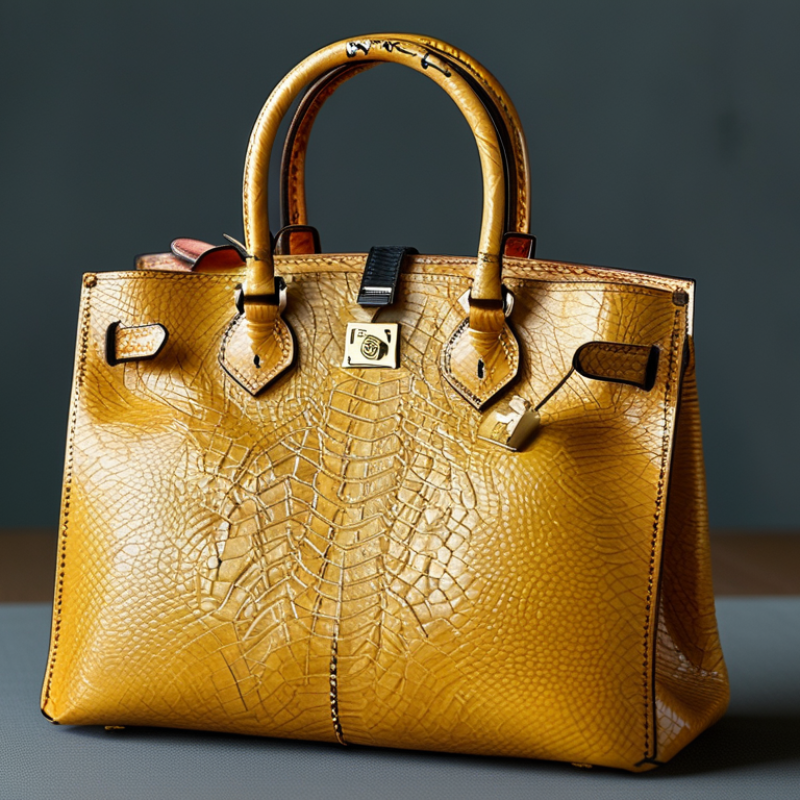
How to Identify Fake Lv Bags for Global Buyers?
Identifying fake LV bags can be a daunting task for global buyers. Many people fall prey to the allure of counterfeit luxury goods. According to renowned authenticity expert, Dr. Jane Smith, “The art of spotting Lv Bags Fake lies in the details.” Her insight highlights the importance of knowledge and keen observation.
Buyers need to be aware of the key indicators of authenticity. For instance, stitching quality and hardware play crucial roles in determining if a bag is genuine. Additionally, the way the logo is displayed often reveals much. Counterfeiters may cut corners, but real LV bags showcase meticulous craftsmanship.
However, even seasoned buyers can occasionally misjudge. The market is flooded with increasingly sophisticated fakes. Constant vigilance is necessary, and remembering these details is essential for making a wise investment. Without proper education, the risk of purchasing fake LV bags increases significantly.
Understanding Louis Vuitton Authenticity Markers
Identifying authentic luxury bags is crucial for global buyers. Understanding the markers of authenticity can save consumers from costly mistakes. Research indicates that the global market for counterfeit luxury goods has reached nearly $30 billion annually. Recognizing key features of genuine items enhances buyer confidence.
One significant marker is the quality of craftsmanship. Authentic bags typically exhibit precise stitching and high-grade materials. In contrast, counterfeit products may have uneven seams or inferior leather. Inspecting the hardware is essential as well. Genuine items use durable metals and exhibit attention to detail in branding. These elements can be subtle yet revealing.
Date codes serve as additional indicators of authenticity. These codes are often embossed and provide information about the item’s production date and location. However, it is essential to note that forgers have become adept at replicating these markers. Buyers are reminded that simply matching a date code does not guarantee authenticity. Checking diverse resources and expert reviews is essential to form a well-rounded understanding of these markers.
Examining Quality and Craftsmanship in LV Bags
Examining the quality and craftsmanship of luxury bags requires keen observation and attention to detail. Authentic bags are often made from high-quality materials. Feel for the texture of the leather; it should be soft yet durable. Examine the stitching closely. You should see even, tight stitches without any loose threads. A genuine bag reflects expert craftsmanship.
Hardware is another crucial aspect. Real bags feature high-quality zippers and clasps. They feel heavy and sturdy, unlike cheap imitations. Check the logos and engravings. The lettering should be crisp and perfectly aligned. There’s no room for imperfections in the font or spacing.
Packaging can also reveal a lot. Luxury items come in well-designed boxes or bags, often accompanied by care instructions. Look for authenticity cards or dust bags. These details add to the overall experience. However, not every detail guarantees authenticity. Even seasoned buyers can fall for clever fakes. Always remain cautious and discerning when making a purchase.
Analyzing Stamping and Logo Features for Authenticity
When examining authenticity in luxury bags, details matter. Notably, stamping and logo features set genuine products apart. The embossed logo should be crisp and clear. If it's unclear or smudged, it could indicate a counterfeit. Authentic brands often use specific fonts and sizes. Observe the stitching as well; it should be even and neatly aligned. Irregular stitching patterns are a common feature in fakes.
Another point to consider is the placement of the logo. Genuine pieces have precise positioning, often found in specific areas. Misalignment or odd placements can raise red flags. Additionally, reputable brands often utilize unique stamping techniques, where the depth and texture are significant. If the logo feels flat, it's likely not authentic.
Buyers should also note the material quality. Real products use premium materials that feel distinct from fakes. A hard product is unlikely to be an authentic piece. It's essential to cast a critical eye on these attributes. Collecting genuine luxury items demands attention to these details. Perfection is rare, but awareness can guard against mistakes.
Investigating Serial Numbers and Date Codes on LV Products
When it comes to identifying fake luxury bags, serial numbers and date codes play crucial roles. These identifiers are not merely decorative; they serve as vital tools for authenticity verification. Each brand has specific formats they follow, which can vary even within different product lines. For many luxury brands, these identifiers often include a mix of letters and numbers that indicate both the production date and specific factory location. According to a 2021 report from a renowned luxury consulting firm, roughly 20% of counterfeit products in the market contain incorrect or missing serial numbers.
Buyers should understand how to interpret these codes. For instance, some brands utilize a two-letter code to represent the country of origin, followed by numeric characters that reflect the date of production. Anomalies in these codes can often signal a fake. A 2020 study revealed that nearly 30% of counterfeit bags featured mismatched serial number formats compared to authentic items. This emphasizes the need for potential buyers to familiarize themselves with the specific code structures of their desired brands.
It's important to note that while these identifiers are useful, they are not foolproof. Counterfeiters adapt, and some fakes do mimic these codes quite well. Therefore, reliance on serial numbers alone can be misleading. Buyers should also examine stitching, materials, and overall craftsmanship. The complexities of authentication illustrate that vigilance is key. As more items enter the resale market, being educated about these subtleties is vital for any discerning buyer.
Identifying Fake Bags: Key Features Comparison
Recognizing Common Signs of Counterfeit Louis Vuitton Bags
Identifying counterfeit luxury bags can be challenging, but certain signs can help you differentiate between a genuine item and a fake. Start by examining the stitching. Authentic items often feature precise, even stitches that are closely placed together, typically around 5-7 stitches per inch. If the stitching is sloppy or uneven, it’s a red flag. Look for any loose threads or missed spots.
Next, check the logo and hardware. Genuine bags have a logo that is embossed or printed sharply, with clear, well-defined edges. On counterfeit bags, logos might appear blurred or uneven. As for the hardware, original pieces are usually heavy and of high quality. If the zippers or clasps feel flimsy, they likely aren't authentic.
Another critical aspect is the interior. Authentic bags typically have a finely lined interior with a specific type of fabric, often featuring a logo pattern. If you spot a rough finish or a cheap lining, proceed with caution. Remember, the presence of care cards or authenticity cards doesn’t guarantee authenticity, as many fakes include these items as well. Always look beyond the surface, and trust your instincts when something feels off.

 Skip to content